Africa is not waiting for the future of bitcoin to be built elsewhere, we're building it ourselves.🚀
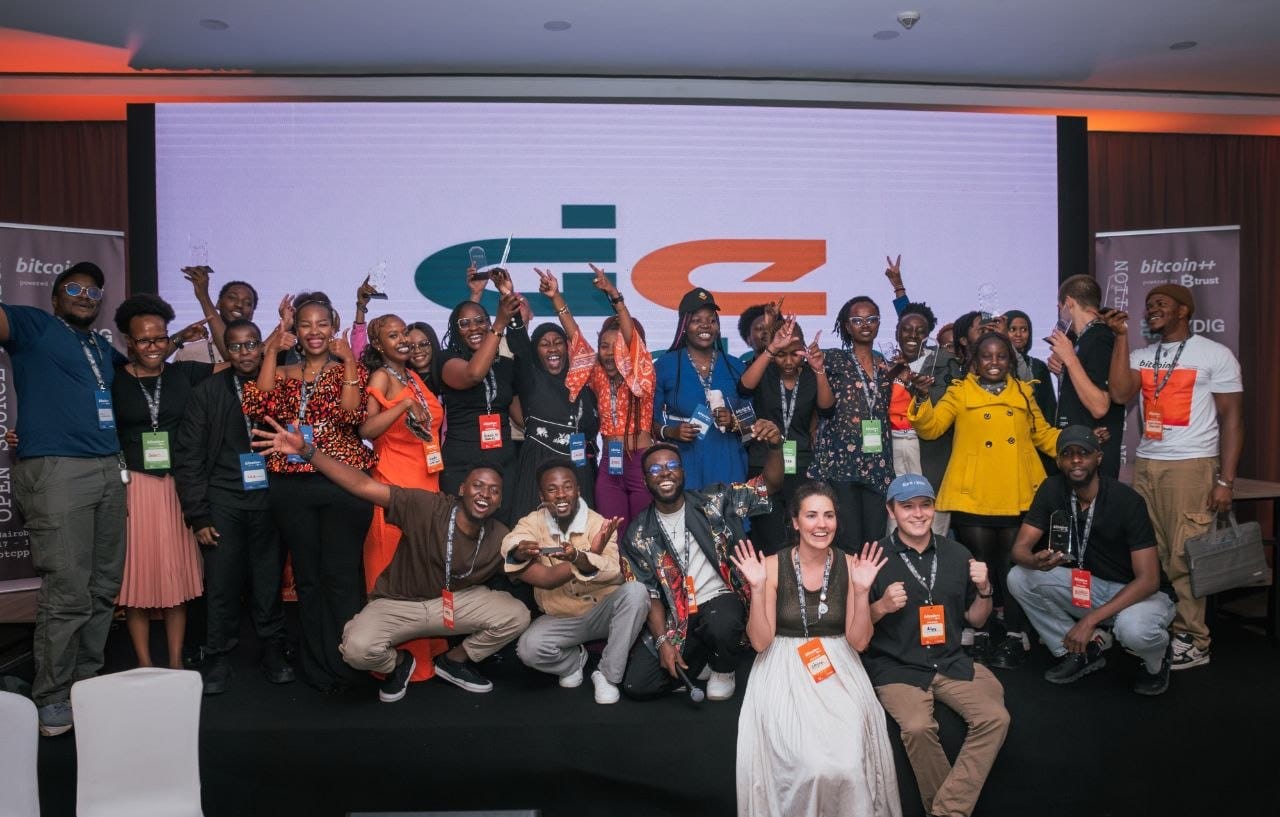
That was one of the strongest themes throughout the inaugural Bitcoin Nairobi Conference 🇰🇪, a gathering of developers, educators, entrepreneurs, community leaders, policymakers, and builders working to strengthen bitcoin adoption and innovation across the continent.
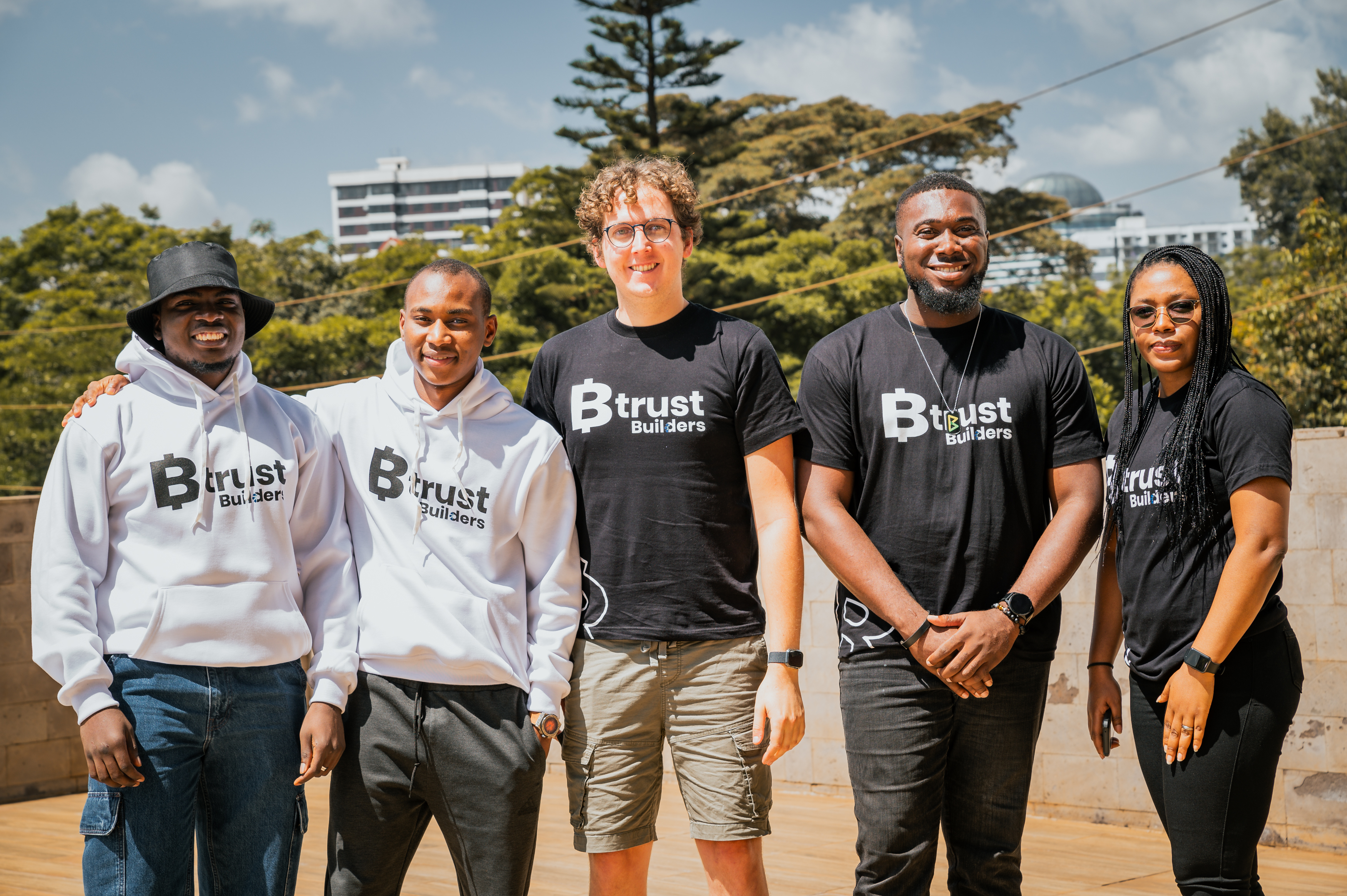
We're proud that some members of the Btrust community contributed to these important conversations.
On day 1, our communications lead,
@npub12qj0...w8vy, joined the bitcoin and media panel alongside
@npub1ykgz...xf8j, CJ Kelly, and Alfonce Ouma, moderated by Blessing Ekong from Librería de Satoshi. The discussion explored the role of storytelling, education, and media in helping more people understand bitcoin and its impact.
Also on day 1, Ojok Emmanuel working on BlueWallet, delivered a talk on hardware wallet security for Africa, sharing practical insights on self-custody and why secure bitcoin ownership matters for African users.
On day 2, our head of engineering, Kelvin Isievwore, delivered a keynote on decentralizing Bitcoin development, highlighting the importance of a globally distributed Bitcoin ecosystem and how Btrust is supporting open-source contributors and creating pathways for developers across Africa and the Global Majority.
Later, Btrust grantee Simon joined the building on Bitcoin panel, exchanging ideas with fellow builders and exploring how developers can continue expanding Bitcoin's capabilities.
Beyond these sessions, the conference featured rich discussions on bitcoin education, open-source development, human rights, financial inclusion, design, mining, entrepreneurship, circular economies, and community building, demonstrating that Africa is not just participating in the Bitcoin ecosystem, but actively shaping its future.
Thank you to the Bitcoin Nairobi Conference team for bringing together such a vibrant community of builders and thinkers, and congratulations on a successful first edition.🎉