I bought the TOP of this in December 2022, peak FOMO.. not regretting, awesome bear market.
Looks like a good level to stack some npubs.. not social advice. #growNostr
View quoted note →
IntuitiveGuy☯️
intuitiveguy@nostrplebs.com
npub13pnm...06vw
Nostr class '22
#PeopleBanBanks🚫🏦
#Bitcoin
Never apologise for your weird idea, often you are just early..


Starting to notice how people it's like just "rediscover the wheel" in various colours and sauces during different times in history..
It's curious to hear almost same conclusions, ideas, "philosophy" from culture and humans so distant in space and time that sometimes never had any connections between eachother.
Is this just part of the infinte cycle of the universe shattering and rediscovering itself?
Even this conclusion I have just arrived on for sure has being made thousands of times by thousands of others.. nothing is new, or old, just continuously remodelled..
They: How does your ideal woman look like?
Me: 

This note has 8 months and probably I was too optimistic, it's already happening..
View quoted note →
GM


The best way to avoid data leaks is to reject data collections..
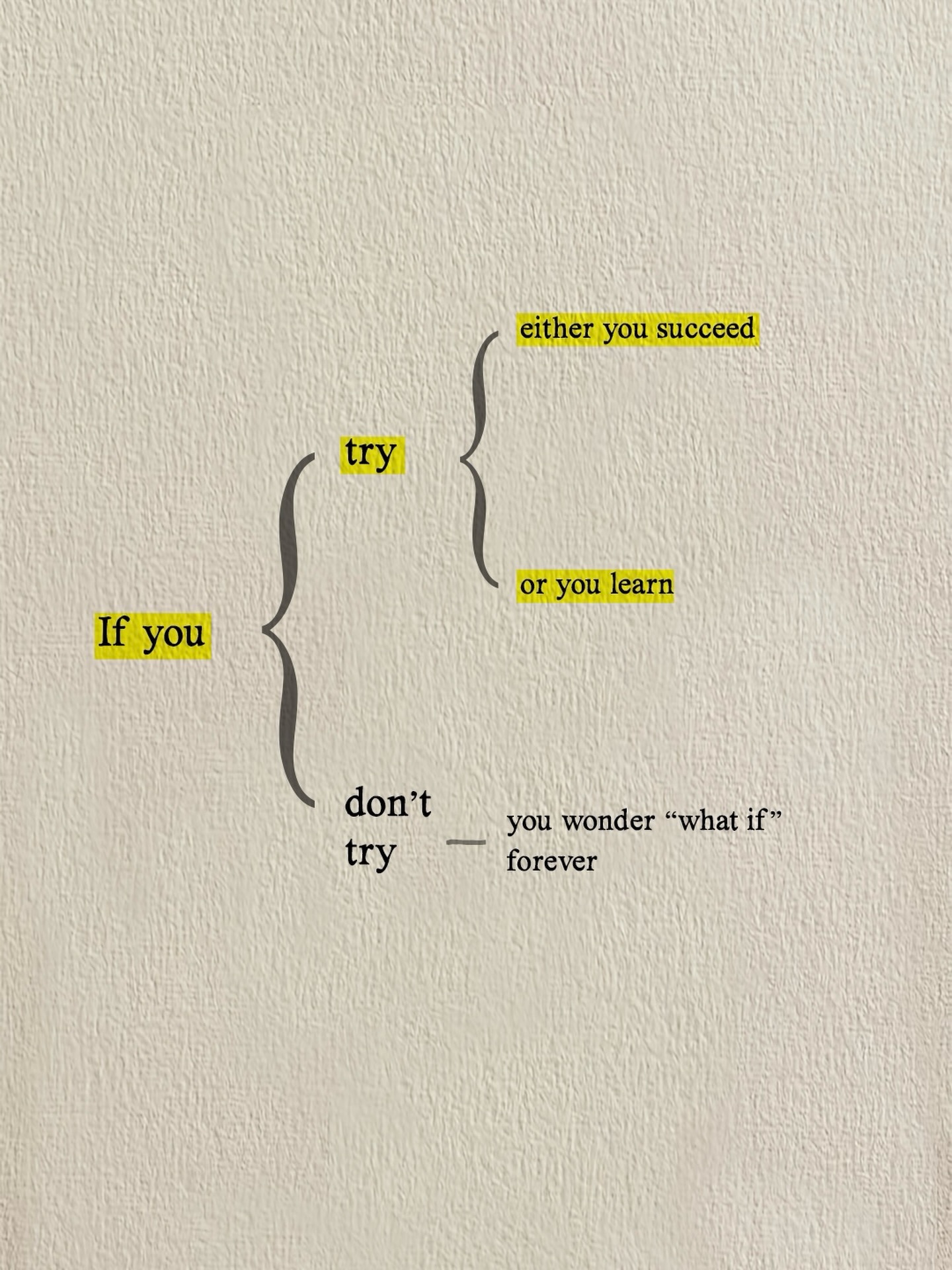
Avoiding the "what if" is underrated..


9 days later..
View quoted note →
View quoted note →
The "propaganda" 60 yrs later..
View quoted note →GM


New meme template dropped, with some funny history attached..
The fresco, titled Ecce Homo ("Behold the Man"), was painted by Spanish artist Elías García Martínez in 1870 and decorated the wall of the Santuario de la Misericordia church in Borja, a small town of about 5,000 people in Zaragoza.
By the early 2010s, the fresco had deteriorated due to moisture on the church walls, with parts of the paint flaking off.
In June 2012, Cecilia Giménez (also spelled Jiménez), an 81-year-old local woman, decided to restore the fresco on her own, without professional training or permission.
She used a 10-year-old photo of the painting as a reference, but her efforts resulted in a comical disfigurement: Jesus ended up with a half-beard and a monkey-like appearance.
The botched restoration went viral, spawning countless memes and earning the nickname "Monkey Christ".
Despite (or because of) the disaster, the incident brought thousands of tourists to Borja, transforming the small town into an international sensation.
In 2016, the original painting that García Martínez had used as a model for the fresco resurfaced in Zaragoza, confirming what the fresco originally looked like
Cecilia Giménez, who passed away in 2025 at age 94, said the experience was difficult at first but ultimately "very good for me and for the santuario" because of the increased attention and visitors.
#art #artstr