Samuel Gabriel
SamuelGabrielSG@primal.net
npub1dw6j...eya5
Explorer of Cyberspace
Writing: samuelgabrielsg.substack.com
Art: samuelgabrielsg.redbubble.com
Podcast: open.spotify.com/show/2xiLBXYetJ8rOK5I10kRPb





"Ditto" to Digital: How Ghost (1990) Haunts Our Modern Relationships
 The Enduring Charm of a 90s Classic
When Ghost premiered in 1990, it was an unlikely hit. Blending romance, supernatural suspense, and moments of comedy, the film became a cultural touchstone. Its iconic pottery scene, Patrick Swayze’s stoic “ditto” in place of “I love you,” and the haunting presence of the Righteous Brothers’ “Unchained Melody” cemented it in pop culture history.
While the film is firmly rooted in its era, its themes of love, trust, and the struggle to communicate beyond barriers still resonate today. Yet in 2025, the relationship landscape looks vastly different. The romantic ideals and courtship rituals of Ghost stand in sharp contrast to a modern dating world shaped by technology, shifting gender roles, and growing disconnect between men and women.
Ghost in 1990: A Snapshot of Relationships and Society
Traditional Gender Roles with a Twist
Sam Wheat is the quintessential 1990s protector-provider. Financially secure, protective of Molly, and confident in his role, he embodies the dependable boyfriend archetype.
Molly, an artist, is introduced as warm, optimistic, and deeply connected to Sam. Before his death, she appears content and secure in their relationship, with her work and personal life in balance. After his death, she enters a state of emotional vulnerability. Her grief is overwhelming, and much of her arc involves struggling to be believed without Sam there to validate her experience.
Oda Mae Brown, played by Whoopi Goldberg, is depicted as independent, resourceful, and confident. In the story, she serves as the bridge between Sam and Molly, moving beyond the typical “comic relief” sidekick role.
In 1990, this was a refreshing change from the limited roles often given to Black women, even if some stereotypes still lingered. Back then, people generally knew Goldberg leaned Democrat, but her politics were not front and center. Today, she is known as a far-left former host of The View, outspoken about race and oppression, and often critical of the country that made her rich and famous. The shift in her public image shows how both her career and the cultural climate have changed over the decades.
Communication in the Pre-Digital Age
The film’s central obstacle, Sam’s inability to speak or be seen, plays out in a world without smartphones or instant messaging. Messages had to be relayed face-to-face or through intermediaries like Oda Mae. Every interaction carried urgency because contact was so limited.
Societal Norms Reflected
The world of Ghost is steeped in the “yuppie” aesthetic, urban lofts, career ambition, and financial stability as markers of success. Its moral framework is also straightforward: good souls ascend, evil ones are dragged away. Compared to today’s narratives, the film’s morality feels almost quaint in its clarity.
From 1990 to 2025: Shifting Cultural Ground
When Ghost was released, traditional relationships were still front and center in popular culture. The United States was more conservative in outlook, and mainstream films more often reflected a predominantly white cast, with storylines centered on stable, long-term relationships. The cultural norm was the idea of meeting someone, falling in love, and building a family. There was still broad agreement on certain values, and gender roles, while already evolving, were far more familiar to earlier generations.
Fast forward to today, and the relationship landscape is almost unrecognizable. Men and women interact less in public spaces, with many men avoiding approaching women altogether. Over the past decade, a cultural wave encouraged women to tell men to “stay away.” Women went on social media and shouted this message loudly, with countless videos showing women telling men not to talk to them, not to approach them, and calling them rapists. One viral clip even features a woman claiming she breaks out in hives if a man so much as looks at her. This has become emblematic of how toxic interactions between the sexes have become, especially in public settings.
At the same time, large segments of the population, overwhelmingly driven by women, pushed for policies and cultural norms that allowed individuals to identify as women simply by self-identification, and supported transitioning minors, which in some cases resulted in sterilization or a lifetime dependence on medical and pharmaceutical treatment. Women were also the ones who overwhelmingly brought drag queens into classrooms and openly advocated for books about oral sex in children’s libraries. The culture has changed significantly because of women.
Now, the social norm is no longer about finding love and starting a family. It is about men and women often avoiding each other entirely, being consumed by identity politics focused on race and gender, and using labels like “Nazi” to dismiss or attack those with opposing views.
This period has also seen the rise of a worldview rooted in intersectional identity politics, which rejects the older ideal of a “color-blind” society based on values and character. Instead, it emphasizes group identity, often defining people primarily by immutable characteristics such as race, gender, and sexual orientation. This shift in thinking has influenced how men and women view and interact with each other, creating an environment where suspicion and hostility can grow. Within this climate, social media has amplified negative interactions, with some women using online platforms to publicly shame men, recording and broadcasting encounters for clout and engagement. The result has been a deepening alienation between the sexes.
Now, some women are finding themselves reassessing the trade-offs. Those who delayed family-building, pursued careers, or chose abortion earlier in life may be facing the reality of aging without a partner or children, and the prospect of decades spent living alone. The gap between the romantic optimism of Ghost and the guarded, often adversarial dynamic of 2025 speaks volumes about how far the relationship climate has shifted in just over thirty years.
Communication in the Digital Age
In 2025, Sam might try to reach Molly via social media, video messages, or even AI-generated avatars. The slow, desperate tension of the film would be replaced by instant notifications and the potential for digital misinterpretation.
Trust has also become more fragile. In an era of deepfakes and viral misinformation, Molly’s skepticism toward Oda Mae could be amplified. How do you trust a message from the beyond when even video evidence can be faked?
And, of course, “ghosting” has taken on a whole new meaning. In dating apps and online relationships, disappearing without explanation is common. Sam’s literal ghosting feels oddly less cruel than the emotional vanishing acts common today.
Societal Changes
The current culture has tried to make gender roles more fluid but that pesky biology gets in the way. Women still want strong, successful, capable men. And men still want feminine, supportive, pure, kind women. It is the propaganda mills from academia and mass media that are trying to impose their minority worldview on the majority.
Today’s culture, led by mass media, academia, and government, has intentionally muddied the waters on morality. They have taken issues that were once black and white and reframed them into morally complex situations where there is no clear win, and no matter what choice you make, bad things happen. They did this. Morality in contemporary storytelling is rarely black-and-white. Ghost’s heaven-or-hell finale might seem simplistic next to the morally complex characters populating today’s dramas.
Enduring Relevance and Contemporary Critique
What Still Resonates
The pain of losing someone you love
The longing for connection and closure
The belief that love can transcend even the greatest barriers
The draw of a redemptive mystery
Conclusion
Ghost remains a compelling story of love and loss, even as the cultural terrain of romance has shifted dramatically. In 1990, it spoke to a world where connection was slower, roles were more defined, and trust was more personal. In 2025, it serves as a reminder that while our tools, attitudes, and social dynamics evolve, the deepest human desires to be understood, to be believed, to be loved remain timeless.
Ghost:
The Enduring Charm of a 90s Classic
When Ghost premiered in 1990, it was an unlikely hit. Blending romance, supernatural suspense, and moments of comedy, the film became a cultural touchstone. Its iconic pottery scene, Patrick Swayze’s stoic “ditto” in place of “I love you,” and the haunting presence of the Righteous Brothers’ “Unchained Melody” cemented it in pop culture history.
While the film is firmly rooted in its era, its themes of love, trust, and the struggle to communicate beyond barriers still resonate today. Yet in 2025, the relationship landscape looks vastly different. The romantic ideals and courtship rituals of Ghost stand in sharp contrast to a modern dating world shaped by technology, shifting gender roles, and growing disconnect between men and women.
Ghost in 1990: A Snapshot of Relationships and Society
Traditional Gender Roles with a Twist
Sam Wheat is the quintessential 1990s protector-provider. Financially secure, protective of Molly, and confident in his role, he embodies the dependable boyfriend archetype.
Molly, an artist, is introduced as warm, optimistic, and deeply connected to Sam. Before his death, she appears content and secure in their relationship, with her work and personal life in balance. After his death, she enters a state of emotional vulnerability. Her grief is overwhelming, and much of her arc involves struggling to be believed without Sam there to validate her experience.
Oda Mae Brown, played by Whoopi Goldberg, is depicted as independent, resourceful, and confident. In the story, she serves as the bridge between Sam and Molly, moving beyond the typical “comic relief” sidekick role.
In 1990, this was a refreshing change from the limited roles often given to Black women, even if some stereotypes still lingered. Back then, people generally knew Goldberg leaned Democrat, but her politics were not front and center. Today, she is known as a far-left former host of The View, outspoken about race and oppression, and often critical of the country that made her rich and famous. The shift in her public image shows how both her career and the cultural climate have changed over the decades.
Communication in the Pre-Digital Age
The film’s central obstacle, Sam’s inability to speak or be seen, plays out in a world without smartphones or instant messaging. Messages had to be relayed face-to-face or through intermediaries like Oda Mae. Every interaction carried urgency because contact was so limited.
Societal Norms Reflected
The world of Ghost is steeped in the “yuppie” aesthetic, urban lofts, career ambition, and financial stability as markers of success. Its moral framework is also straightforward: good souls ascend, evil ones are dragged away. Compared to today’s narratives, the film’s morality feels almost quaint in its clarity.
From 1990 to 2025: Shifting Cultural Ground
When Ghost was released, traditional relationships were still front and center in popular culture. The United States was more conservative in outlook, and mainstream films more often reflected a predominantly white cast, with storylines centered on stable, long-term relationships. The cultural norm was the idea of meeting someone, falling in love, and building a family. There was still broad agreement on certain values, and gender roles, while already evolving, were far more familiar to earlier generations.
Fast forward to today, and the relationship landscape is almost unrecognizable. Men and women interact less in public spaces, with many men avoiding approaching women altogether. Over the past decade, a cultural wave encouraged women to tell men to “stay away.” Women went on social media and shouted this message loudly, with countless videos showing women telling men not to talk to them, not to approach them, and calling them rapists. One viral clip even features a woman claiming she breaks out in hives if a man so much as looks at her. This has become emblematic of how toxic interactions between the sexes have become, especially in public settings.
At the same time, large segments of the population, overwhelmingly driven by women, pushed for policies and cultural norms that allowed individuals to identify as women simply by self-identification, and supported transitioning minors, which in some cases resulted in sterilization or a lifetime dependence on medical and pharmaceutical treatment. Women were also the ones who overwhelmingly brought drag queens into classrooms and openly advocated for books about oral sex in children’s libraries. The culture has changed significantly because of women.
Now, the social norm is no longer about finding love and starting a family. It is about men and women often avoiding each other entirely, being consumed by identity politics focused on race and gender, and using labels like “Nazi” to dismiss or attack those with opposing views.
This period has also seen the rise of a worldview rooted in intersectional identity politics, which rejects the older ideal of a “color-blind” society based on values and character. Instead, it emphasizes group identity, often defining people primarily by immutable characteristics such as race, gender, and sexual orientation. This shift in thinking has influenced how men and women view and interact with each other, creating an environment where suspicion and hostility can grow. Within this climate, social media has amplified negative interactions, with some women using online platforms to publicly shame men, recording and broadcasting encounters for clout and engagement. The result has been a deepening alienation between the sexes.
Now, some women are finding themselves reassessing the trade-offs. Those who delayed family-building, pursued careers, or chose abortion earlier in life may be facing the reality of aging without a partner or children, and the prospect of decades spent living alone. The gap between the romantic optimism of Ghost and the guarded, often adversarial dynamic of 2025 speaks volumes about how far the relationship climate has shifted in just over thirty years.
Communication in the Digital Age
In 2025, Sam might try to reach Molly via social media, video messages, or even AI-generated avatars. The slow, desperate tension of the film would be replaced by instant notifications and the potential for digital misinterpretation.
Trust has also become more fragile. In an era of deepfakes and viral misinformation, Molly’s skepticism toward Oda Mae could be amplified. How do you trust a message from the beyond when even video evidence can be faked?
And, of course, “ghosting” has taken on a whole new meaning. In dating apps and online relationships, disappearing without explanation is common. Sam’s literal ghosting feels oddly less cruel than the emotional vanishing acts common today.
Societal Changes
The current culture has tried to make gender roles more fluid but that pesky biology gets in the way. Women still want strong, successful, capable men. And men still want feminine, supportive, pure, kind women. It is the propaganda mills from academia and mass media that are trying to impose their minority worldview on the majority.
Today’s culture, led by mass media, academia, and government, has intentionally muddied the waters on morality. They have taken issues that were once black and white and reframed them into morally complex situations where there is no clear win, and no matter what choice you make, bad things happen. They did this. Morality in contemporary storytelling is rarely black-and-white. Ghost’s heaven-or-hell finale might seem simplistic next to the morally complex characters populating today’s dramas.
Enduring Relevance and Contemporary Critique
What Still Resonates
The pain of losing someone you love
The longing for connection and closure
The belief that love can transcend even the greatest barriers
The draw of a redemptive mystery
Conclusion
Ghost remains a compelling story of love and loss, even as the cultural terrain of romance has shifted dramatically. In 1990, it spoke to a world where connection was slower, roles were more defined, and trust was more personal. In 2025, it serves as a reminder that while our tools, attitudes, and social dynamics evolve, the deepest human desires to be understood, to be believed, to be loved remain timeless.
Ghost:
The Enduring Charm of a 90s Classic
When Ghost premiered in 1990, it was an unlikely hit. Blending romance, supernatural suspense, and moments of comedy, the film became a cultural touchstone. Its iconic pottery scene, Patrick Swayze’s stoic “ditto” in place of “I love you,” and the haunting presence of the Righteous Brothers’ “Unchained Melody” cemented it in pop culture history.
While the film is firmly rooted in its era, its themes of love, trust, and the struggle to communicate beyond barriers still resonate today. Yet in 2025, the relationship landscape looks vastly different. The romantic ideals and courtship rituals of Ghost stand in sharp contrast to a modern dating world shaped by technology, shifting gender roles, and growing disconnect between men and women.
Ghost in 1990: A Snapshot of Relationships and Society
Traditional Gender Roles with a Twist
Sam Wheat is the quintessential 1990s protector-provider. Financially secure, protective of Molly, and confident in his role, he embodies the dependable boyfriend archetype.
Molly, an artist, is introduced as warm, optimistic, and deeply connected to Sam. Before his death, she appears content and secure in their relationship, with her work and personal life in balance. After his death, she enters a state of emotional vulnerability. Her grief is overwhelming, and much of her arc involves struggling to be believed without Sam there to validate her experience.
Oda Mae Brown, played by Whoopi Goldberg, is depicted as independent, resourceful, and confident. In the story, she serves as the bridge between Sam and Molly, moving beyond the typical “comic relief” sidekick role.
In 1990, this was a refreshing change from the limited roles often given to Black women, even if some stereotypes still lingered. Back then, people generally knew Goldberg leaned Democrat, but her politics were not front and center. Today, she is known as a far-left former host of The View, outspoken about race and oppression, and often critical of the country that made her rich and famous. The shift in her public image shows how both her career and the cultural climate have changed over the decades.
Communication in the Pre-Digital Age
The film’s central obstacle, Sam’s inability to speak or be seen, plays out in a world without smartphones or instant messaging. Messages had to be relayed face-to-face or through intermediaries like Oda Mae. Every interaction carried urgency because contact was so limited.
Societal Norms Reflected
The world of Ghost is steeped in the “yuppie” aesthetic, urban lofts, career ambition, and financial stability as markers of success. Its moral framework is also straightforward: good souls ascend, evil ones are dragged away. Compared to today’s narratives, the film’s morality feels almost quaint in its clarity.
From 1990 to 2025: Shifting Cultural Ground
When Ghost was released, traditional relationships were still front and center in popular culture. The United States was more conservative in outlook, and mainstream films more often reflected a predominantly white cast, with storylines centered on stable, long-term relationships. The cultural norm was the idea of meeting someone, falling in love, and building a family. There was still broad agreement on certain values, and gender roles, while already evolving, were far more familiar to earlier generations.
Fast forward to today, and the relationship landscape is almost unrecognizable. Men and women interact less in public spaces, with many men avoiding approaching women altogether. Over the past decade, a cultural wave encouraged women to tell men to “stay away.” Women went on social media and shouted this message loudly, with countless videos showing women telling men not to talk to them, not to approach them, and calling them rapists. One viral clip even features a woman claiming she breaks out in hives if a man so much as looks at her. This has become emblematic of how toxic interactions between the sexes have become, especially in public settings.
At the same time, large segments of the population, overwhelmingly driven by women, pushed for policies and cultural norms that allowed individuals to identify as women simply by self-identification, and supported transitioning minors, which in some cases resulted in sterilization or a lifetime dependence on medical and pharmaceutical treatment. Women were also the ones who overwhelmingly brought drag queens into classrooms and openly advocated for books about oral sex in children’s libraries. The culture has changed significantly because of women.
Now, the social norm is no longer about finding love and starting a family. It is about men and women often avoiding each other entirely, being consumed by identity politics focused on race and gender, and using labels like “Nazi” to dismiss or attack those with opposing views.
This period has also seen the rise of a worldview rooted in intersectional identity politics, which rejects the older ideal of a “color-blind” society based on values and character. Instead, it emphasizes group identity, often defining people primarily by immutable characteristics such as race, gender, and sexual orientation. This shift in thinking has influenced how men and women view and interact with each other, creating an environment where suspicion and hostility can grow. Within this climate, social media has amplified negative interactions, with some women using online platforms to publicly shame men, recording and broadcasting encounters for clout and engagement. The result has been a deepening alienation between the sexes.
Now, some women are finding themselves reassessing the trade-offs. Those who delayed family-building, pursued careers, or chose abortion earlier in life may be facing the reality of aging without a partner or children, and the prospect of decades spent living alone. The gap between the romantic optimism of Ghost and the guarded, often adversarial dynamic of 2025 speaks volumes about how far the relationship climate has shifted in just over thirty years.
Communication in the Digital Age
In 2025, Sam might try to reach Molly via social media, video messages, or even AI-generated avatars. The slow, desperate tension of the film would be replaced by instant notifications and the potential for digital misinterpretation.
Trust has also become more fragile. In an era of deepfakes and viral misinformation, Molly’s skepticism toward Oda Mae could be amplified. How do you trust a message from the beyond when even video evidence can be faked?
And, of course, “ghosting” has taken on a whole new meaning. In dating apps and online relationships, disappearing without explanation is common. Sam’s literal ghosting feels oddly less cruel than the emotional vanishing acts common today.
Societal Changes
The current culture has tried to make gender roles more fluid but that pesky biology gets in the way. Women still want strong, successful, capable men. And men still want feminine, supportive, pure, kind women. It is the propaganda mills from academia and mass media that are trying to impose their minority worldview on the majority.
Today’s culture, led by mass media, academia, and government, has intentionally muddied the waters on morality. They have taken issues that were once black and white and reframed them into morally complex situations where there is no clear win, and no matter what choice you make, bad things happen. They did this. Morality in contemporary storytelling is rarely black-and-white. Ghost’s heaven-or-hell finale might seem simplistic next to the morally complex characters populating today’s dramas.
Enduring Relevance and Contemporary Critique
What Still Resonates
The pain of losing someone you love
The longing for connection and closure
The belief that love can transcend even the greatest barriers
The draw of a redemptive mystery
Conclusion
Ghost remains a compelling story of love and loss, even as the cultural terrain of romance has shifted dramatically. In 1990, it spoke to a world where connection was slower, roles were more defined, and trust was more personal. In 2025, it serves as a reminder that while our tools, attitudes, and social dynamics evolve, the deepest human desires to be understood, to be believed, to be loved remain timeless.
Ghost:



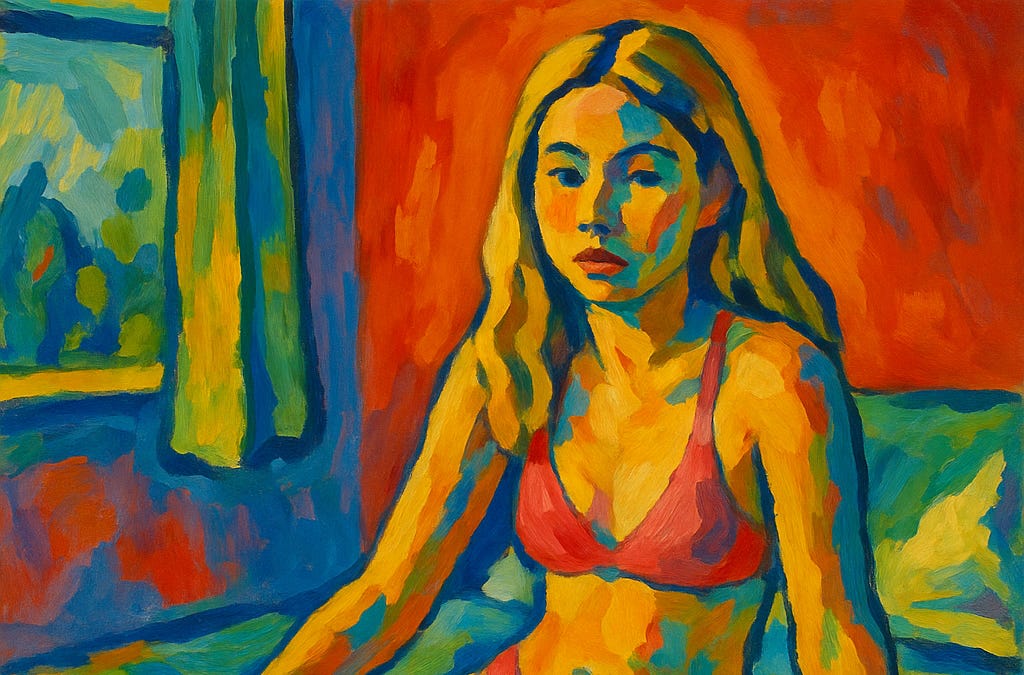
Beyond the Victim Narrative: Female Agency in the Lil Tay Controversy
 When Lil Tay turned 18 in August 2025, she wasted no time launching an OnlyFans account, bringing in over $1 million in just three hours. Feminists rushed to frame this as yet another case of male exploitation and so-called patriarchal control. In their telling, she is the latest in a long line of young women “shaped, sexualized, and profited from by men,” punished the moment they claim agency.
The narrative is false. Lil Tay’s early exploitation did not come from some vague, all-powerful male system. It came from her own family. Most notably, her older brother orchestrated her online persona, pushing her into staged videos and manufactured stunts designed to go viral. The very people entrusted with safeguarding her innocence were the ones who put it up for sale.
Once she turned 18, she did not enter a world run by male puppet-masters. She entered a culture built and championed by feminism, a culture that glamorizes prostitution by calling it “sex work,” celebrates the sexualization of young women as “empowerment,” and treats selling sexual access, whether online or in person, as a legitimate career choice.
From Family Exploitation to Cultural Endorsement
Lil Tay’s rise at nine years old was engineered by relatives who saw her as a ticket to fame. She played the role, learned the tricks of performance, and leaned into the over-the-top persona they crafted for her. While too young to fully understand, she was still actively participating in a spectacle created inside her home, not by some invisible patriarchal hand, but by those closest to her.
When she became an adult, the environment that awaited her was not a male-controlled system forcing her into exploitation. It was a feminist-driven marketplace that told her prostitution was empowering, that using her sexuality was smart business, and that the only people to blame for any downside were “men” and “the patriarchy.”
The Deliberate Launch of an Online Prostitution Career
Her decision to open an OnlyFans account at exactly 12:01 a.m. on her 18th birthday was calculated. It was designed to exploit the “just turned 18” fetish that feminist culture pretends to condemn while actively monetizing. She teased the launch for weeks, stoking anticipation, and then delivered mostly safe-for-work images, sometimes trolling buyers with jokes like sending a Hello Kitty picture.
This was not an act of desperation or coercion. It was the start of an online prostitution career, planned and executed in a way that maximized profit while minimizing risk. That is agency, whether people like how she used it or not.
Feminism’s Role in Normalizing Prostitution
Feminism has spent decades reframing prostitution as “sex work” and pushing the idea that it is just another form of labor. Feminist academics, influencers, and media outlets have repeatedly promoted the message that selling sexual access is empowering, that it gives women control, and that criticism of it is simply misogyny.
The result is a culture where young women count down the days until they can legally open an OnlyFans account, where posing in sexualized ways for strangers’ money is celebrated as liberation, and where anyone who questions this is accused of supporting “the patriarchy.”
The Sexual Marketplace and Men’s Role
To understand why there is a market for someone like Lil Tay the moment she turns 18, we must look at the state of the dating and sexual marketplace, a system also transformed by feminism.
Women control sexual access in consensual relationships. Feminist culture has reinforced this control while simultaneously reshaping dating norms to push women toward the top 10 to 20 percent of men in terms of looks, status, or wealth. This leaves the majority of men, often 80 percent or more, effectively sexless.
These men are not turning to the patriarchy for relief. They are looking wherever they can, so long as it is legal, to meet needs that are not being met in relationships. Unlike women, who can generally fulfill their sexual needs easily through either casual encounters or existing partners, many men go years without intimacy.
The disparity grows worse in marriage. Many men who marry discover too late that their wives can and do weaponize sex, using access to intimacy as a bargaining chip to extract compliance or punish disobedience. When a husband’s physical needs are chronically denied, he will look for outlets. In today’s culture, that means porn, cam sites, or platforms like OnlyFans.
Critics point fingers at men for creating the demand for someone like Lil Tay’s content, but that demand exists in large part because feminism has created a dating market where the majority of men are excluded, starved of intimacy, and shamed for trying to find it elsewhere.
Female Agency and Female Complicity
This is not a system where women are purely victims. Women drive much of it:
Female creators actively market “barely legal” fantasies.
Female-run management agencies recruit and promote young women for online prostitution.
Female influencers amplify each other’s provocative stunts to chase clicks.
Women participate in purity politics and public shaming of other women while privately consuming similar content.
These actions are not imposed on women by men. They are chosen and celebrated by women inside a feminist cultural framework.
Shifting Blame Away from the Real Source
When the consequences of this culture appear, when an 18-year-old who grew up in the spotlight launches an online prostitution account, feminists retreat to their default position: blame men, blame “the patriarchy,” and ignore their own role in building and endorsing the very environment they now decry.
The truth is that feminist ideology has been the single largest driver of the normalization of prostitution in Western culture. It told women to use their sexuality as currency, assured them it was empowerment, and then offered them victimhood status to dodge accountability. Men, meanwhile, have been reshaped by the same system, pushed to the margins of the dating pool, denied intimacy in marriage, and shamed for seeking any outlet that is not pre-approved by feminist moral gatekeepers.
Conclusion: The Hypocrisy on Display
Lil Tay’s story is not about male control. It is about a family’s failure to protect her and a feminist culture that was waiting to welcome her into the online prostitution marketplace the moment she turned 18.
It is peak feminism:
Celebrate the sexualization of young women as empowerment.
Encourage them to sell sexual access for money.
Create a dating market that leaves most men sexually excluded.
When men seek legal outlets for their needs, condemn them as exploiters.
If we are going to talk about exploitation, we must also talk about the women and the ideology that made this path look like freedom, and the way that same ideology created the very male demand it now pretends to despise.
When Lil Tay turned 18 in August 2025, she wasted no time launching an OnlyFans account, bringing in over $1 million in just three hours. Feminists rushed to frame this as yet another case of male exploitation and so-called patriarchal control. In their telling, she is the latest in a long line of young women “shaped, sexualized, and profited from by men,” punished the moment they claim agency.
The narrative is false. Lil Tay’s early exploitation did not come from some vague, all-powerful male system. It came from her own family. Most notably, her older brother orchestrated her online persona, pushing her into staged videos and manufactured stunts designed to go viral. The very people entrusted with safeguarding her innocence were the ones who put it up for sale.
Once she turned 18, she did not enter a world run by male puppet-masters. She entered a culture built and championed by feminism, a culture that glamorizes prostitution by calling it “sex work,” celebrates the sexualization of young women as “empowerment,” and treats selling sexual access, whether online or in person, as a legitimate career choice.
From Family Exploitation to Cultural Endorsement
Lil Tay’s rise at nine years old was engineered by relatives who saw her as a ticket to fame. She played the role, learned the tricks of performance, and leaned into the over-the-top persona they crafted for her. While too young to fully understand, she was still actively participating in a spectacle created inside her home, not by some invisible patriarchal hand, but by those closest to her.
When she became an adult, the environment that awaited her was not a male-controlled system forcing her into exploitation. It was a feminist-driven marketplace that told her prostitution was empowering, that using her sexuality was smart business, and that the only people to blame for any downside were “men” and “the patriarchy.”
The Deliberate Launch of an Online Prostitution Career
Her decision to open an OnlyFans account at exactly 12:01 a.m. on her 18th birthday was calculated. It was designed to exploit the “just turned 18” fetish that feminist culture pretends to condemn while actively monetizing. She teased the launch for weeks, stoking anticipation, and then delivered mostly safe-for-work images, sometimes trolling buyers with jokes like sending a Hello Kitty picture.
This was not an act of desperation or coercion. It was the start of an online prostitution career, planned and executed in a way that maximized profit while minimizing risk. That is agency, whether people like how she used it or not.
Feminism’s Role in Normalizing Prostitution
Feminism has spent decades reframing prostitution as “sex work” and pushing the idea that it is just another form of labor. Feminist academics, influencers, and media outlets have repeatedly promoted the message that selling sexual access is empowering, that it gives women control, and that criticism of it is simply misogyny.
The result is a culture where young women count down the days until they can legally open an OnlyFans account, where posing in sexualized ways for strangers’ money is celebrated as liberation, and where anyone who questions this is accused of supporting “the patriarchy.”
The Sexual Marketplace and Men’s Role
To understand why there is a market for someone like Lil Tay the moment she turns 18, we must look at the state of the dating and sexual marketplace, a system also transformed by feminism.
Women control sexual access in consensual relationships. Feminist culture has reinforced this control while simultaneously reshaping dating norms to push women toward the top 10 to 20 percent of men in terms of looks, status, or wealth. This leaves the majority of men, often 80 percent or more, effectively sexless.
These men are not turning to the patriarchy for relief. They are looking wherever they can, so long as it is legal, to meet needs that are not being met in relationships. Unlike women, who can generally fulfill their sexual needs easily through either casual encounters or existing partners, many men go years without intimacy.
The disparity grows worse in marriage. Many men who marry discover too late that their wives can and do weaponize sex, using access to intimacy as a bargaining chip to extract compliance or punish disobedience. When a husband’s physical needs are chronically denied, he will look for outlets. In today’s culture, that means porn, cam sites, or platforms like OnlyFans.
Critics point fingers at men for creating the demand for someone like Lil Tay’s content, but that demand exists in large part because feminism has created a dating market where the majority of men are excluded, starved of intimacy, and shamed for trying to find it elsewhere.
Female Agency and Female Complicity
This is not a system where women are purely victims. Women drive much of it:
Female creators actively market “barely legal” fantasies.
Female-run management agencies recruit and promote young women for online prostitution.
Female influencers amplify each other’s provocative stunts to chase clicks.
Women participate in purity politics and public shaming of other women while privately consuming similar content.
These actions are not imposed on women by men. They are chosen and celebrated by women inside a feminist cultural framework.
Shifting Blame Away from the Real Source
When the consequences of this culture appear, when an 18-year-old who grew up in the spotlight launches an online prostitution account, feminists retreat to their default position: blame men, blame “the patriarchy,” and ignore their own role in building and endorsing the very environment they now decry.
The truth is that feminist ideology has been the single largest driver of the normalization of prostitution in Western culture. It told women to use their sexuality as currency, assured them it was empowerment, and then offered them victimhood status to dodge accountability. Men, meanwhile, have been reshaped by the same system, pushed to the margins of the dating pool, denied intimacy in marriage, and shamed for seeking any outlet that is not pre-approved by feminist moral gatekeepers.
Conclusion: The Hypocrisy on Display
Lil Tay’s story is not about male control. It is about a family’s failure to protect her and a feminist culture that was waiting to welcome her into the online prostitution marketplace the moment she turned 18.
It is peak feminism:
Celebrate the sexualization of young women as empowerment.
Encourage them to sell sexual access for money.
Create a dating market that leaves most men sexually excluded.
When men seek legal outlets for their needs, condemn them as exploiters.
If we are going to talk about exploitation, we must also talk about the women and the ideology that made this path look like freedom, and the way that same ideology created the very male demand it now pretends to despise.
When Lil Tay turned 18 in August 2025, she wasted no time launching an OnlyFans account, bringing in over $1 million in just three hours. Feminists rushed to frame this as yet another case of male exploitation and so-called patriarchal control. In their telling, she is the latest in a long line of young women “shaped, sexualized, and profited from by men,” punished the moment they claim agency.
The narrative is false. Lil Tay’s early exploitation did not come from some vague, all-powerful male system. It came from her own family. Most notably, her older brother orchestrated her online persona, pushing her into staged videos and manufactured stunts designed to go viral. The very people entrusted with safeguarding her innocence were the ones who put it up for sale.
Once she turned 18, she did not enter a world run by male puppet-masters. She entered a culture built and championed by feminism, a culture that glamorizes prostitution by calling it “sex work,” celebrates the sexualization of young women as “empowerment,” and treats selling sexual access, whether online or in person, as a legitimate career choice.
From Family Exploitation to Cultural Endorsement
Lil Tay’s rise at nine years old was engineered by relatives who saw her as a ticket to fame. She played the role, learned the tricks of performance, and leaned into the over-the-top persona they crafted for her. While too young to fully understand, she was still actively participating in a spectacle created inside her home, not by some invisible patriarchal hand, but by those closest to her.
When she became an adult, the environment that awaited her was not a male-controlled system forcing her into exploitation. It was a feminist-driven marketplace that told her prostitution was empowering, that using her sexuality was smart business, and that the only people to blame for any downside were “men” and “the patriarchy.”
The Deliberate Launch of an Online Prostitution Career
Her decision to open an OnlyFans account at exactly 12:01 a.m. on her 18th birthday was calculated. It was designed to exploit the “just turned 18” fetish that feminist culture pretends to condemn while actively monetizing. She teased the launch for weeks, stoking anticipation, and then delivered mostly safe-for-work images, sometimes trolling buyers with jokes like sending a Hello Kitty picture.
This was not an act of desperation or coercion. It was the start of an online prostitution career, planned and executed in a way that maximized profit while minimizing risk. That is agency, whether people like how she used it or not.
Feminism’s Role in Normalizing Prostitution
Feminism has spent decades reframing prostitution as “sex work” and pushing the idea that it is just another form of labor. Feminist academics, influencers, and media outlets have repeatedly promoted the message that selling sexual access is empowering, that it gives women control, and that criticism of it is simply misogyny.
The result is a culture where young women count down the days until they can legally open an OnlyFans account, where posing in sexualized ways for strangers’ money is celebrated as liberation, and where anyone who questions this is accused of supporting “the patriarchy.”
The Sexual Marketplace and Men’s Role
To understand why there is a market for someone like Lil Tay the moment she turns 18, we must look at the state of the dating and sexual marketplace, a system also transformed by feminism.
Women control sexual access in consensual relationships. Feminist culture has reinforced this control while simultaneously reshaping dating norms to push women toward the top 10 to 20 percent of men in terms of looks, status, or wealth. This leaves the majority of men, often 80 percent or more, effectively sexless.
These men are not turning to the patriarchy for relief. They are looking wherever they can, so long as it is legal, to meet needs that are not being met in relationships. Unlike women, who can generally fulfill their sexual needs easily through either casual encounters or existing partners, many men go years without intimacy.
The disparity grows worse in marriage. Many men who marry discover too late that their wives can and do weaponize sex, using access to intimacy as a bargaining chip to extract compliance or punish disobedience. When a husband’s physical needs are chronically denied, he will look for outlets. In today’s culture, that means porn, cam sites, or platforms like OnlyFans.
Critics point fingers at men for creating the demand for someone like Lil Tay’s content, but that demand exists in large part because feminism has created a dating market where the majority of men are excluded, starved of intimacy, and shamed for trying to find it elsewhere.
Female Agency and Female Complicity
This is not a system where women are purely victims. Women drive much of it:
Female creators actively market “barely legal” fantasies.
Female-run management agencies recruit and promote young women for online prostitution.
Female influencers amplify each other’s provocative stunts to chase clicks.
Women participate in purity politics and public shaming of other women while privately consuming similar content.
These actions are not imposed on women by men. They are chosen and celebrated by women inside a feminist cultural framework.
Shifting Blame Away from the Real Source
When the consequences of this culture appear, when an 18-year-old who grew up in the spotlight launches an online prostitution account, feminists retreat to their default position: blame men, blame “the patriarchy,” and ignore their own role in building and endorsing the very environment they now decry.
The truth is that feminist ideology has been the single largest driver of the normalization of prostitution in Western culture. It told women to use their sexuality as currency, assured them it was empowerment, and then offered them victimhood status to dodge accountability. Men, meanwhile, have been reshaped by the same system, pushed to the margins of the dating pool, denied intimacy in marriage, and shamed for seeking any outlet that is not pre-approved by feminist moral gatekeepers.
Conclusion: The Hypocrisy on Display
Lil Tay’s story is not about male control. It is about a family’s failure to protect her and a feminist culture that was waiting to welcome her into the online prostitution marketplace the moment she turned 18.
It is peak feminism:
Celebrate the sexualization of young women as empowerment.
Encourage them to sell sexual access for money.
Create a dating market that leaves most men sexually excluded.
When men seek legal outlets for their needs, condemn them as exploiters.
If we are going to talk about exploitation, we must also talk about the women and the ideology that made this path look like freedom, and the way that same ideology created the very male demand it now pretends to despise.