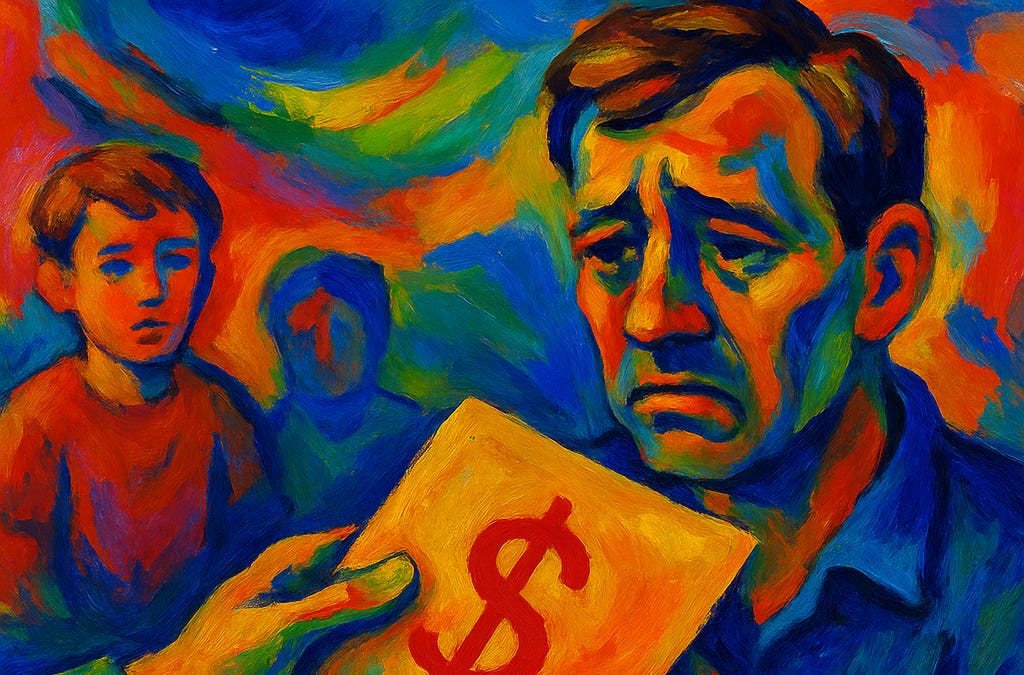
The placement of youtube ads lol

 Denmark is facing a looming population crisis. With birth rates well below replacement level and an aging population threatening the nation’s economic future, the pressure is mounting to find solutions. Amid this demographic emergency, one claim made international rounds: that Denmark is now urging its men to have sex with feminist women to save the country.
Beneath the shock value of the headline is a deeper story. It exposes modern fractures in relationships, distrust between the sexes, and the unintended consequences of decades of ideological messaging.
Denmark’s Fertility Collapse
Like many developed nations, Denmark is experiencing a sustained decline in birth rates. With fewer couples choosing to have children and many delaying family formation entirely, the country now faces a shrinking workforce and rising dependency ratios. The long-term economic consequences are stark: fewer taxpayers, greater pressure on public services, and the erosion of generational continuity.
Efforts to reverse this trend have included financial incentives, expanded parental leave, subsidized childcare, and even creative public campaigns. Most notably, Denmark’s “Do It for Denmark” campaign encouraged couples to take romantic vacations, framing conception as a patriotic duty.
The Viral Story
A recent article pushed the narrative further, claiming that Denmark is “begging” men to impregnate feminists to avoid demographic collapse. The story spread quickly across social media and men’s forums, capturing attention not just for its outrageous tone but for how plausible it sounded to those familiar with the state of modern dating and cultural trends.
Whether the claim was literal or symbolic, the fact it resonated so strongly speaks volumes. To many men, the idea that a society which had dismissed their traditional role now comes crawling back with demands wasn’t satire. It was poetic irony.
Modern Dating and the Disconnect
The rise in single, childless adults isn’t just a fluke of economics. It reflects a growing disconnect in male-female dynamics. Many men report a sense of disillusionment with modern dating. They see relationships as high-risk, low-reward, and often governed by contradictory expectations.
On one hand, modern women are taught to be independent, self-reliant, and skeptical of male leadership. On the other, they expect men to assume traditional responsibilities: providing, protecting, and committing. This dual demand of submission without respect, of duty without value, has led many men to quietly exit the dating scene.
To these men, the idea of returning to save the system that vilified them isn't just unappealing. It’s laughable.
Feminist Policies and Cultural Blowback
For decades, men were told their roles were obsolete. Masculinity was pathologized, and traditional male virtues dismissed as toxic. Now, those same voices call for men to step up, settle down, and save the future.
This contradiction hasn’t gone unnoticed. The very policies and cultural messages that dismantled traditional gender roles are now clashing with demographic reality. You can’t both undermine male value and expect men to rescue a failing birth rate.
What we’re witnessing is not just demographic decline. It is ideological recoil.
Online Reaction and Real Voices
Forums like Reddit’s r/MensRights lit up with reactions ranging from amusement to contempt. Many users dismissed the viral article as exaggerated, but they agreed with its underlying message. Men are increasingly unwilling to play a game rigged against them.
Some Danish users confirmed the demographic concerns but rejected the idea that most men are interested in solving them, especially through relationships with ideologically hostile partners. Others shared anecdotes of men deliberately opting out of the dating market, choosing freedom over frustration.
The sentiment is clear. Modern men no longer feel obligated to support a system that doesn’t support them.
The Bigger Picture
Denmark’s crisis is not unique. Across the West, nations face a similar reckoning. Birth rates are falling, marriages are delayed or abandoned, and the societal glue that once held communities together—family—continues to dissolve.
This isn’t just a numbers problem. It is a values problem. The social contract between the sexes has been breached, and no amount of incentives, subsidies, or state-sponsored matchmaking will repair it. For many men, the message has been received loud and clear. They’re disposable until they’re needed.
And when they’re needed, they’re not answering the call.
Conclusion
The viral story about Denmark and its feminist fertility plea may exaggerate the details, but not the truth it gestures toward. We are watching the long arc of social engineering meet biological limits. A civilization cannot shame half its population and then beg them to reproduce when the numbers get bleak.
The collapse of the birth rate isn’t just a policy failure. It is a reflection of what happens when trust, respect, and mutual obligation disappear from between the sexes. Men are not coming to the rescue, not because they’re incapable, but because they’ve learned there’s nothing in it for them.
And that is the real crisis no government dares to address.
Denmark is facing a looming population crisis. With birth rates well below replacement level and an aging population threatening the nation’s economic future, the pressure is mounting to find solutions. Amid this demographic emergency, one claim made international rounds: that Denmark is now urging its men to have sex with feminist women to save the country.
Beneath the shock value of the headline is a deeper story. It exposes modern fractures in relationships, distrust between the sexes, and the unintended consequences of decades of ideological messaging.
Denmark’s Fertility Collapse
Like many developed nations, Denmark is experiencing a sustained decline in birth rates. With fewer couples choosing to have children and many delaying family formation entirely, the country now faces a shrinking workforce and rising dependency ratios. The long-term economic consequences are stark: fewer taxpayers, greater pressure on public services, and the erosion of generational continuity.
Efforts to reverse this trend have included financial incentives, expanded parental leave, subsidized childcare, and even creative public campaigns. Most notably, Denmark’s “Do It for Denmark” campaign encouraged couples to take romantic vacations, framing conception as a patriotic duty.
The Viral Story
A recent article pushed the narrative further, claiming that Denmark is “begging” men to impregnate feminists to avoid demographic collapse. The story spread quickly across social media and men’s forums, capturing attention not just for its outrageous tone but for how plausible it sounded to those familiar with the state of modern dating and cultural trends.
Whether the claim was literal or symbolic, the fact it resonated so strongly speaks volumes. To many men, the idea that a society which had dismissed their traditional role now comes crawling back with demands wasn’t satire. It was poetic irony.
Modern Dating and the Disconnect
The rise in single, childless adults isn’t just a fluke of economics. It reflects a growing disconnect in male-female dynamics. Many men report a sense of disillusionment with modern dating. They see relationships as high-risk, low-reward, and often governed by contradictory expectations.
On one hand, modern women are taught to be independent, self-reliant, and skeptical of male leadership. On the other, they expect men to assume traditional responsibilities: providing, protecting, and committing. This dual demand of submission without respect, of duty without value, has led many men to quietly exit the dating scene.
To these men, the idea of returning to save the system that vilified them isn't just unappealing. It’s laughable.
Feminist Policies and Cultural Blowback
For decades, men were told their roles were obsolete. Masculinity was pathologized, and traditional male virtues dismissed as toxic. Now, those same voices call for men to step up, settle down, and save the future.
This contradiction hasn’t gone unnoticed. The very policies and cultural messages that dismantled traditional gender roles are now clashing with demographic reality. You can’t both undermine male value and expect men to rescue a failing birth rate.
What we’re witnessing is not just demographic decline. It is ideological recoil.
Online Reaction and Real Voices
Forums like Reddit’s r/MensRights lit up with reactions ranging from amusement to contempt. Many users dismissed the viral article as exaggerated, but they agreed with its underlying message. Men are increasingly unwilling to play a game rigged against them.
Some Danish users confirmed the demographic concerns but rejected the idea that most men are interested in solving them, especially through relationships with ideologically hostile partners. Others shared anecdotes of men deliberately opting out of the dating market, choosing freedom over frustration.
The sentiment is clear. Modern men no longer feel obligated to support a system that doesn’t support them.
The Bigger Picture
Denmark’s crisis is not unique. Across the West, nations face a similar reckoning. Birth rates are falling, marriages are delayed or abandoned, and the societal glue that once held communities together—family—continues to dissolve.
This isn’t just a numbers problem. It is a values problem. The social contract between the sexes has been breached, and no amount of incentives, subsidies, or state-sponsored matchmaking will repair it. For many men, the message has been received loud and clear. They’re disposable until they’re needed.
And when they’re needed, they’re not answering the call.
Conclusion
The viral story about Denmark and its feminist fertility plea may exaggerate the details, but not the truth it gestures toward. We are watching the long arc of social engineering meet biological limits. A civilization cannot shame half its population and then beg them to reproduce when the numbers get bleak.
The collapse of the birth rate isn’t just a policy failure. It is a reflection of what happens when trust, respect, and mutual obligation disappear from between the sexes. Men are not coming to the rescue, not because they’re incapable, but because they’ve learned there’s nothing in it for them.
And that is the real crisis no government dares to address.
 Modern narratives often elevate the Inca Empire as a symbol of indigenous brilliance, an advanced civilization that achieved monumental feats in engineering, governance, and agriculture. Their stone temples, expansive road networks, and ability to govern millions without money or a written language are frequently highlighted as evidence of sophisticated development. Yet despite these accomplishments, the Incas remained far behind Old World civilizations in fundamental ways.
Expecting Spanish conquistadors in the 1530s to be amazed by Inca achievements is like expecting someone in 2025 to be blown away by a society that just discovered the printing press.
The Inca Empire: Impressive but Incomplete
At its peak, the Inca Empire stretched across large portions of modern-day Peru, Ecuador, Bolivia, and Chile. It boasted an extensive road system, massive stone architecture like Machu Picchu and Sacsayhuamán, and a tightly controlled economy. The empire was centralized, hierarchical, and surprisingly efficient in some respects. But for all its order and scale, it lacked several foundational technologies that had long been in use in Europe, Asia, and North Africa.
The Incas had no formal written language. Instead, they used a system of knotted strings called quipu to record numbers and possibly some narrative information. This system may have been functional for accounting, but it was no substitute for a script that could record philosophy, law, literature, or science. Without writing, there were no books, no formal historical records, and no intellectual class equivalent to what existed in ancient Greece, Rome, or China.
They also didn’t use the wheel, not for carts, not for machines, not even for toys. Despite their ability to carve massive stones with remarkable precision, they transported materials without the use of wheeled transport. Even though they understood some basic mechanical principles, they failed to apply them in practical ways that other civilizations had mastered centuries earlier.
Practices That Shock the Modern Mind
Technological limitations aside, many of the Inca’s cultural practices would strike modern sensibilities and certainly 16th-century Spanish ones as deeply disturbing. The most notable example is child sacrifice. In rituals such as Capacocha, children were ritually intoxicated and then either buried alive or beaten to death to appease the gods. These weren’t isolated acts of desperation during famine or crisis. They were routine ceremonies carried out to mark festivals or imperial milestones.
There’s also archaeological and textual evidence of ritualistic cannibalism. Though not a daily practice, it was performed in ceremonial contexts and justified through religious belief. These actions were not unique to the Incas. Many civilizations have dark chapters, but they undermine any simplistic notion of a noble or enlightened indigenous utopia.
Why the Spanish Weren’t Impressed
When the Spanish arrived in the early 1500s, they came from a world that had already experienced the Renaissance. Europe had printing presses, formal universities, advanced metallurgy, and written legal systems. The Roman Empire, which had collapsed 1,500 years earlier, left behind aqueducts, amphitheaters, public baths, and roads that in many cases surpassed what the Inca had built.
The Spaniards were products of this long civilizational lineage. To them, massive stone temples built without writing, wheels, or iron tools were intriguing, but not awe-inspiring. In their minds, the presence of human sacrifice and cannibalism overshadowed any architectural or administrative accomplishments.
To modern eyes, it's easy to project value backward and celebrate the ingenuity of the Inca in isolation. But seen through the lens of global civilizational development, their society was a remarkable local peak, still far below the plateau reached by others centuries earlier.
The Dangers of Romanticizing the Past
In recent decades, there’s been a trend to glorify pre-Columbian civilizations as peaceful, spiritual, or ecologically wise. While there’s nothing wrong with honoring cultural heritage, this view too often downplays or ignores practices that were brutal and regressive. The truth is more complex: the Incas were capable administrators and impressive builders, but also adherents of a worldview that accepted horrific violence as divine necessity.
Historical analysis should strive for balance. We can recognize the achievements of indigenous civilizations without pretending they were more advanced than they were. A civilization can be both sophisticated and savage, capable and cruel.
The past should be understood in context but not whitewashed. If we wouldn't be impressed by a society in 2025 that just discovered the printing press, we shouldn't expect Spanish conquistadors to be impressed in 1530 by a society that had only just mastered stonework. The comparison is harsh, but it’s historically honest.
Modern narratives often elevate the Inca Empire as a symbol of indigenous brilliance, an advanced civilization that achieved monumental feats in engineering, governance, and agriculture. Their stone temples, expansive road networks, and ability to govern millions without money or a written language are frequently highlighted as evidence of sophisticated development. Yet despite these accomplishments, the Incas remained far behind Old World civilizations in fundamental ways.
Expecting Spanish conquistadors in the 1530s to be amazed by Inca achievements is like expecting someone in 2025 to be blown away by a society that just discovered the printing press.
The Inca Empire: Impressive but Incomplete
At its peak, the Inca Empire stretched across large portions of modern-day Peru, Ecuador, Bolivia, and Chile. It boasted an extensive road system, massive stone architecture like Machu Picchu and Sacsayhuamán, and a tightly controlled economy. The empire was centralized, hierarchical, and surprisingly efficient in some respects. But for all its order and scale, it lacked several foundational technologies that had long been in use in Europe, Asia, and North Africa.
The Incas had no formal written language. Instead, they used a system of knotted strings called quipu to record numbers and possibly some narrative information. This system may have been functional for accounting, but it was no substitute for a script that could record philosophy, law, literature, or science. Without writing, there were no books, no formal historical records, and no intellectual class equivalent to what existed in ancient Greece, Rome, or China.
They also didn’t use the wheel, not for carts, not for machines, not even for toys. Despite their ability to carve massive stones with remarkable precision, they transported materials without the use of wheeled transport. Even though they understood some basic mechanical principles, they failed to apply them in practical ways that other civilizations had mastered centuries earlier.
Practices That Shock the Modern Mind
Technological limitations aside, many of the Inca’s cultural practices would strike modern sensibilities and certainly 16th-century Spanish ones as deeply disturbing. The most notable example is child sacrifice. In rituals such as Capacocha, children were ritually intoxicated and then either buried alive or beaten to death to appease the gods. These weren’t isolated acts of desperation during famine or crisis. They were routine ceremonies carried out to mark festivals or imperial milestones.
There’s also archaeological and textual evidence of ritualistic cannibalism. Though not a daily practice, it was performed in ceremonial contexts and justified through religious belief. These actions were not unique to the Incas. Many civilizations have dark chapters, but they undermine any simplistic notion of a noble or enlightened indigenous utopia.
Why the Spanish Weren’t Impressed
When the Spanish arrived in the early 1500s, they came from a world that had already experienced the Renaissance. Europe had printing presses, formal universities, advanced metallurgy, and written legal systems. The Roman Empire, which had collapsed 1,500 years earlier, left behind aqueducts, amphitheaters, public baths, and roads that in many cases surpassed what the Inca had built.
The Spaniards were products of this long civilizational lineage. To them, massive stone temples built without writing, wheels, or iron tools were intriguing, but not awe-inspiring. In their minds, the presence of human sacrifice and cannibalism overshadowed any architectural or administrative accomplishments.
To modern eyes, it's easy to project value backward and celebrate the ingenuity of the Inca in isolation. But seen through the lens of global civilizational development, their society was a remarkable local peak, still far below the plateau reached by others centuries earlier.
The Dangers of Romanticizing the Past
In recent decades, there’s been a trend to glorify pre-Columbian civilizations as peaceful, spiritual, or ecologically wise. While there’s nothing wrong with honoring cultural heritage, this view too often downplays or ignores practices that were brutal and regressive. The truth is more complex: the Incas were capable administrators and impressive builders, but also adherents of a worldview that accepted horrific violence as divine necessity.
Historical analysis should strive for balance. We can recognize the achievements of indigenous civilizations without pretending they were more advanced than they were. A civilization can be both sophisticated and savage, capable and cruel.
The past should be understood in context but not whitewashed. If we wouldn't be impressed by a society in 2025 that just discovered the printing press, we shouldn't expect Spanish conquistadors to be impressed in 1530 by a society that had only just mastered stonework. The comparison is harsh, but it’s historically honest.
 In 2025, China finds itself grappling with a growing unemployment crisis, one that has struck particularly hard among its youth. As economic growth slows and job opportunities shrink, a new and curious phenomenon has emerged across the country: pretend-to-work spaces. These are rented offices where the unemployed simulate the routines of employed life—not to deceive employers, but to protect themselves from the judgment of their families and society.
This social illusion, born out of desperation, reveals deeper issues festering beneath the surface of China’s economic transformation.
What Are Pretend-to-Work Spaces?
Pretend-to-work spaces are co-working offices or similar rented environments where individuals without jobs mimic the behavior of employed professionals. They wake up early, dress in business attire, leave the house, and spend their days in these rented spaces, doing nothing that would qualify as paid work. But the goal isn’t productivity. It’s protection.
These individuals are shielding themselves from the shame of unemployment in a society that places enormous value on status, performance, and appearance.
Real Lives Behind the Façade
The phenomenon is more than an internet meme. It’s a coping mechanism.
Jiawei, a former e-commerce worker in Hangzhou, lost his job when his company collapsed. Despite briefly working at a coffee shop, he told his family he was still working a white-collar job, leaving early and returning late to maintain the illusion.
Chen, 29, from Hubei, was laid off from a semiconductor company. He continued to leave home each day, telling his girlfriend he had work, when in reality he spent his days studying in a library using his severance pay.
In another case, an entrepreneur tried to capitalize on the trend by offering a “pretend boss” service, charging 50 yuan (about US$7) for individuals to take photos in an office setting and send them to family. Though the service saw viral interest online, it had little real-world uptake. Even in deception, people still craved authenticity.
The Economic and Social Pressure Cooker
China’s job market is contracting just as millions of young people are graduating into it. Informal employment now makes up nearly 60% of non-agricultural jobs. In rural and migrant communities, lacking access to pensions or unemployment benefits, the consequences of job loss are even more severe.
And the emotional toll is magnified by cultural expectations. In a society where “saving face” (mianzi) is paramount, to be unemployed is not simply an economic condition. It’s a personal failure. Parents expect visible progress. Partners demand stability. Social circles reward success and quietly ostracize those who don’t keep up.
In this context, pretending to be employed becomes not only understandable. It becomes rational.
Social Media’s Split Reaction
The topic has exploded on Chinese social media, racking up over 100 million views. Some users express empathy, describing these spaces as harmless tools for maintaining dignity and mental health. Others criticize the trend as denial, a way to delay reality rather than confront it.
Still, nearly everyone seems to agree: the anxiety is real, and the system is not working.
What Experts Are Saying
Zhang Yong, a sociologist at Wuhan University, sees the rise of pretend-to-work spaces as an understandable but tragic response to societal pressure. “This isn’t laziness or indulgence,” he says. “It’s psychological self-preservation in a culture that treats unemployment as disgrace.”
Beneath the surface, larger forces are at play.
China’s social safety net remains underdeveloped, especially for migrants and informal workers. At the same time, rapid technological change, especially the rise of automation and industrial AI, has made many mid-skill jobs obsolete. Those caught in the middle, like Chen and Jiawei, are left behind.
Why It Matters
Pretending to work is not just a quirky coping tactic. It signals a deeper fracture between societal ideals and economic realities. People aren’t simply unemployed. They’re performing productivity in order to preserve self-worth and avoid shame.
This performance carries real costs:
Psychological strain from constant pretense
Financial pressure as savings dwindle
Emotional isolation from hiding the truth
It also reflects a society that values the appearance of success more than honest dialogue about failure. In doing so, it delays the hard conversations and policy changes needed to rebuild a more resilient job market.
Conclusion
Pretend-to-work spaces are a mirror held up to China’s current moment. They reflect a system where economic pain is suppressed under the weight of social pressure, and where illusion becomes a survival strategy.
Until the country addresses the structural roots of unemployment with stronger safety nets, retraining programs, and cultural flexibility, these rented facades of employment will continue to thrive.
Not because people want to pretend.
But because, for now, they don’t feel safe telling the truth.
Sources:
Hindustan Times, Jan 17, 2025
South China Morning Post, Mar 26, 2024
Big Data China, May 26, 2022
ScienceDirect, Oct 20, 2024
In 2025, China finds itself grappling with a growing unemployment crisis, one that has struck particularly hard among its youth. As economic growth slows and job opportunities shrink, a new and curious phenomenon has emerged across the country: pretend-to-work spaces. These are rented offices where the unemployed simulate the routines of employed life—not to deceive employers, but to protect themselves from the judgment of their families and society.
This social illusion, born out of desperation, reveals deeper issues festering beneath the surface of China’s economic transformation.
What Are Pretend-to-Work Spaces?
Pretend-to-work spaces are co-working offices or similar rented environments where individuals without jobs mimic the behavior of employed professionals. They wake up early, dress in business attire, leave the house, and spend their days in these rented spaces, doing nothing that would qualify as paid work. But the goal isn’t productivity. It’s protection.
These individuals are shielding themselves from the shame of unemployment in a society that places enormous value on status, performance, and appearance.
Real Lives Behind the Façade
The phenomenon is more than an internet meme. It’s a coping mechanism.
Jiawei, a former e-commerce worker in Hangzhou, lost his job when his company collapsed. Despite briefly working at a coffee shop, he told his family he was still working a white-collar job, leaving early and returning late to maintain the illusion.
Chen, 29, from Hubei, was laid off from a semiconductor company. He continued to leave home each day, telling his girlfriend he had work, when in reality he spent his days studying in a library using his severance pay.
In another case, an entrepreneur tried to capitalize on the trend by offering a “pretend boss” service, charging 50 yuan (about US$7) for individuals to take photos in an office setting and send them to family. Though the service saw viral interest online, it had little real-world uptake. Even in deception, people still craved authenticity.
The Economic and Social Pressure Cooker
China’s job market is contracting just as millions of young people are graduating into it. Informal employment now makes up nearly 60% of non-agricultural jobs. In rural and migrant communities, lacking access to pensions or unemployment benefits, the consequences of job loss are even more severe.
And the emotional toll is magnified by cultural expectations. In a society where “saving face” (mianzi) is paramount, to be unemployed is not simply an economic condition. It’s a personal failure. Parents expect visible progress. Partners demand stability. Social circles reward success and quietly ostracize those who don’t keep up.
In this context, pretending to be employed becomes not only understandable. It becomes rational.
Social Media’s Split Reaction
The topic has exploded on Chinese social media, racking up over 100 million views. Some users express empathy, describing these spaces as harmless tools for maintaining dignity and mental health. Others criticize the trend as denial, a way to delay reality rather than confront it.
Still, nearly everyone seems to agree: the anxiety is real, and the system is not working.
What Experts Are Saying
Zhang Yong, a sociologist at Wuhan University, sees the rise of pretend-to-work spaces as an understandable but tragic response to societal pressure. “This isn’t laziness or indulgence,” he says. “It’s psychological self-preservation in a culture that treats unemployment as disgrace.”
Beneath the surface, larger forces are at play.
China’s social safety net remains underdeveloped, especially for migrants and informal workers. At the same time, rapid technological change, especially the rise of automation and industrial AI, has made many mid-skill jobs obsolete. Those caught in the middle, like Chen and Jiawei, are left behind.
Why It Matters
Pretending to work is not just a quirky coping tactic. It signals a deeper fracture between societal ideals and economic realities. People aren’t simply unemployed. They’re performing productivity in order to preserve self-worth and avoid shame.
This performance carries real costs:
Psychological strain from constant pretense
Financial pressure as savings dwindle
Emotional isolation from hiding the truth
It also reflects a society that values the appearance of success more than honest dialogue about failure. In doing so, it delays the hard conversations and policy changes needed to rebuild a more resilient job market.
Conclusion
Pretend-to-work spaces are a mirror held up to China’s current moment. They reflect a system where economic pain is suppressed under the weight of social pressure, and where illusion becomes a survival strategy.
Until the country addresses the structural roots of unemployment with stronger safety nets, retraining programs, and cultural flexibility, these rented facades of employment will continue to thrive.
Not because people want to pretend.
But because, for now, they don’t feel safe telling the truth.
Sources:
Hindustan Times, Jan 17, 2025
South China Morning Post, Mar 26, 2024
Big Data China, May 26, 2022
ScienceDirect, Oct 20, 2024

 Politics now dominates dating. Bios declare “no Trump supporters,” ideological compatibility is treated as essential, and progressive language has become part of the romantic filter system. But beneath the surface, some men have found a sh ortcut. It has nothing to do with belief.
It’s called woke fishing.
This isn’t catfishing. It’s not lying about your age or photos. It’s lying about your values. Specifically, it’s when liberal men pretend to hold feminist, progressive, or “ally” views for one purpose only: to get laid.
And it works.
A dating experiment by the Daily Mail, published July 8, 2025, laid it bare.
The MAGA Dating Test That Unmasked the Game
Reporters Alexa Cimino and Will Potter ran a straightforward test. They created dating profiles in New York City and opened chats with one line:
“Hi, I’m MAGA.”
Alexa, the female reporter, matched with around 80 men, including many who clearly identified as liberal. Only one unmatched her after seeing the message. The rest? They flirted, joked, played along. Some even admitted they would hide or downplay their political views to keep the conversation going.
The men didn’t care about her politics. They just wanted in.
Meanwhile, Will, the male reporter, had the opposite experience. He sent the same MAGA line to about 10 women. Almost all unmatched or rejected him outright. The moment he identified as conservative, he was dismissed immediately.
What the experiment showed was a striking gender asymmetry. Liberal women guard against MAGA men. But liberal men drop their whole worldview at the first sign of a hot conservative woman.
The Woke Fishing Strategy: Say What Works
Woke fishing is simple. Liberal men say what women want to hear. Not because they believe it, but because it increases their odds.
They’re not trying to connect intellectually. They’re not looking for emotional intimacy.
They’re just trying to get laid.
And they know the script:
“I’m a feminist.”
“I believe in emotional labor.”
“Masculinity needs to be redefined.”
It sounds good. It signals safety. It opens the door. But it’s a script.
There’s even a term for this behavior in evolutionary psychology: the sneaky fucker strategy. It describes low-status males who present as non-threatening allies in order to bypass the filters women use to protect themselves from more aggressive or dominant males.
In today’s dating apps, the woke man isn’t necessarily woke. He’s just learned to say the lines that lower defenses.
The Profile Isn’t a Bio. It’s a Performance
Modern dating profiles are political theater. Men learn quickly that being outspoken about traditional values, masculinity, or any belief that deviates from the progressive script hurts their chances.
So they adapt.
They curate a version of themselves that seems aligned with the dominant cultural filter. They know progressive language is rewarded, even if it’s not real.
Woke fishing isn’t about changing minds or challenging worldviews. It’s about survival in an ideological dating marketplace.
Why It Works and Why It’s a Dead End
Liberal men get rewarded for saying things they don’t believe. And women, understandably, take those statements at face value.
The problem isn’t that these men are malicious. The problem is that long-term relationships depend on shared values, not rehearsed ones.
Woke fishing is a sexual strategy. It works short-term. It breaks down long-term.
You can’t build compatibility on fake agreement, even if the lie sounds like progress.
Even They Don’t Believe It
The real reveal of the Daily Mail experiment wasn’t just that liberal men will flirt with MAGA women. It’s that they drop their progressive persona the moment it’s no longer needed.
The second they think they’re talking to a conservative woman, the feminist language disappears.
That’s the real tell.
It means they never believed it in the first place. They just knew it was the price of entry.
Their actual ideology is simple. Say whatever gets them in the door.
Behind the Mask
This isn’t about equality. It’s not about justice. It’s not about believing women, dismantling patriarchy, or being a good ally.
It’s about sex.
Woke fishing is nothing more than a mating strategy.
Liberal men say what they need to say to get what they want. They’ll perform feminism, parrot buzzwords, and posture as emotionally evolved. All for access.
Then, once they’ve gotten what they came for, the act drops.
It’s not a belief system. It’s not a philosophy.
It’s just a pickup line.
On dating apps today, politics is as visible as height and hobbies. Filters let users screen out smokers, meat-eaters, and now, conservatives. In an increasingly ideological dating market, values aren’t just preferences. They’re prerequisites.
So what happens when someone breaks the script?
That’s what Daily Mail reporters Alexa Cimino and Will Potter set out to discover in a social experiment that’s now raising eyebrows.
They posed on dating apps in New York City—Hinge and Bumble—as singles leading with one provocative line:
“Hi, I’m MAGA.”
They expected backlash. They expected outrage. But what they got was far more revealing, and for some, disturbing.
What the MAGA Dating Test Exposed
Alexa Cimino, a female reporter, created a dating profile that reflected conservative values. She matched with roughly 80 men across political lines—conservative, liberal, and apolitical.
To all of them, she sent the same message:
“Hi, I’m MAGA.”
Only one unmatched her.
The rest? Liberal, progressive, or otherwise, kept talking. Some flirted. Some joked. Some admitted to not caring much about politics at all. A few even softened their own stated views to stay in the conversation.
In Cimino’s own words, it seemed like “being attractive was more important than being aligned.”
Will Potter’s results couldn’t have been more different.
As a man, when he sent the exact same “Hi, I’m MAGA” message to his matches—most of whom were liberal women—many immediately unmatched or expressed disgust. Conversations ended before they began.
The gender disparity was clear. Liberal men tolerated, or even welcomed, a conservative woman. Liberal women, on the other hand, drew a hard line.
And that’s where things get interesting.
Woke Fishing: When Politics Is a Pickup Line
This isn’t just a social quirk. It’s part of a growing trend. In progressive circles, political identity is a gatekeeper for intimacy. But some men have figured out how to game the system.
It’s called woke fishing.
Woke fishing is when liberal men pretend to hold feminist or progressive beliefs not out of conviction, but as a strategy to gain sexual access. It’s the ideological version of catfishing. Instead of faking your age or your photos, you fake your values.
They say all the right things:
“Toxic masculinity is the real problem.”
“I believe in dismantling the patriarchy.”
“I’m an intersectional feminist.”
But behind the ally badge is a performance. These aren’t deeply held beliefs. They’re tactical lies meant to appeal to what women want to hear.
It’s not about building a future. It’s about getting past the filter.
The Incentive Structure: Say What She Wants to Hear
In a world where women increasingly list “progressive values” and “no Trump supporters” in their bios, liberal men aren’t adapting out of principle. They’re adapting for access.
And the MAGA dating experiment confirmed this. Liberal men, even those who presumably disagreed with Alexa’s politics, were willing to flirt, engage, and even suppress their own beliefs to keep the conversation alive.
In contrast, women were far less likely to compromise their values, or even entertain a conversation, if the man was openly conservative.
This gender asymmetry creates an incentive. For men, being ideologically honest can cost you a date. So some lie.
They perform progressivism to pass. And women, assuming shared values, often let their guard down.
Why It’s Manipulative
Woke fishing isn’t a harmless tactic. It’s manipulative.
It creates a false sense of compatibility. It erodes trust. It turns progressive rhetoric into a seduction script rather than a shared worldview.
It’s emotional con artistry.
And worst of all, it uses the language of feminism and justice as camouflage for self-interest. These men aren’t trying to build equal relationships. They’re just better at wearing the costume.
The Double Standard Nobody Talks About
Imagine if a conservative man pretended to be liberal to hook up with progressive women. It would be labeled predatory, dishonest, exploitative, and rightly so.
But when liberal men fake their way into beds by posing as “feminist allies,” there’s often silence—or even subtle celebration.
Why? Because the script says they’re on the “right” side.
But deception is deception, no matter what political tribe it’s dressed in.
Conclusion: Woke Words, Old Game
The truth is simple. Many liberal men aren’t deeply committed to the values they preach. They just know those values are marketable. On dating apps, they’re filters. And if you can mimic them convincingly enough, you bypass resistance.
Woke fishing is not a rare exception. It’s a growing tactic in progressive dating spaces.
So next time someone’s profile screams “feminist,” maybe ask: Is this real conviction, or just an act?
Because beneath the allyship and buzzwords, some men are just saying what they need to say to get what they want.
And once they have it, the mask comes off.
Politics now dominates dating. Bios declare “no Trump supporters,” ideological compatibility is treated as essential, and progressive language has become part of the romantic filter system. But beneath the surface, some men have found a sh ortcut. It has nothing to do with belief.
It’s called woke fishing.
This isn’t catfishing. It’s not lying about your age or photos. It’s lying about your values. Specifically, it’s when liberal men pretend to hold feminist, progressive, or “ally” views for one purpose only: to get laid.
And it works.
A dating experiment by the Daily Mail, published July 8, 2025, laid it bare.
The MAGA Dating Test That Unmasked the Game
Reporters Alexa Cimino and Will Potter ran a straightforward test. They created dating profiles in New York City and opened chats with one line:
“Hi, I’m MAGA.”
Alexa, the female reporter, matched with around 80 men, including many who clearly identified as liberal. Only one unmatched her after seeing the message. The rest? They flirted, joked, played along. Some even admitted they would hide or downplay their political views to keep the conversation going.
The men didn’t care about her politics. They just wanted in.
Meanwhile, Will, the male reporter, had the opposite experience. He sent the same MAGA line to about 10 women. Almost all unmatched or rejected him outright. The moment he identified as conservative, he was dismissed immediately.
What the experiment showed was a striking gender asymmetry. Liberal women guard against MAGA men. But liberal men drop their whole worldview at the first sign of a hot conservative woman.
The Woke Fishing Strategy: Say What Works
Woke fishing is simple. Liberal men say what women want to hear. Not because they believe it, but because it increases their odds.
They’re not trying to connect intellectually. They’re not looking for emotional intimacy.
They’re just trying to get laid.
And they know the script:
“I’m a feminist.”
“I believe in emotional labor.”
“Masculinity needs to be redefined.”
It sounds good. It signals safety. It opens the door. But it’s a script.
There’s even a term for this behavior in evolutionary psychology: the sneaky fucker strategy. It describes low-status males who present as non-threatening allies in order to bypass the filters women use to protect themselves from more aggressive or dominant males.
In today’s dating apps, the woke man isn’t necessarily woke. He’s just learned to say the lines that lower defenses.
The Profile Isn’t a Bio. It’s a Performance
Modern dating profiles are political theater. Men learn quickly that being outspoken about traditional values, masculinity, or any belief that deviates from the progressive script hurts their chances.
So they adapt.
They curate a version of themselves that seems aligned with the dominant cultural filter. They know progressive language is rewarded, even if it’s not real.
Woke fishing isn’t about changing minds or challenging worldviews. It’s about survival in an ideological dating marketplace.
Why It Works and Why It’s a Dead End
Liberal men get rewarded for saying things they don’t believe. And women, understandably, take those statements at face value.
The problem isn’t that these men are malicious. The problem is that long-term relationships depend on shared values, not rehearsed ones.
Woke fishing is a sexual strategy. It works short-term. It breaks down long-term.
You can’t build compatibility on fake agreement, even if the lie sounds like progress.
Even They Don’t Believe It
The real reveal of the Daily Mail experiment wasn’t just that liberal men will flirt with MAGA women. It’s that they drop their progressive persona the moment it’s no longer needed.
The second they think they’re talking to a conservative woman, the feminist language disappears.
That’s the real tell.
It means they never believed it in the first place. They just knew it was the price of entry.
Their actual ideology is simple. Say whatever gets them in the door.
Behind the Mask
This isn’t about equality. It’s not about justice. It’s not about believing women, dismantling patriarchy, or being a good ally.
It’s about sex.
Woke fishing is nothing more than a mating strategy.
Liberal men say what they need to say to get what they want. They’ll perform feminism, parrot buzzwords, and posture as emotionally evolved. All for access.
Then, once they’ve gotten what they came for, the act drops.
It’s not a belief system. It’s not a philosophy.
It’s just a pickup line.
On dating apps today, politics is as visible as height and hobbies. Filters let users screen out smokers, meat-eaters, and now, conservatives. In an increasingly ideological dating market, values aren’t just preferences. They’re prerequisites.
So what happens when someone breaks the script?
That’s what Daily Mail reporters Alexa Cimino and Will Potter set out to discover in a social experiment that’s now raising eyebrows.
They posed on dating apps in New York City—Hinge and Bumble—as singles leading with one provocative line:
“Hi, I’m MAGA.”
They expected backlash. They expected outrage. But what they got was far more revealing, and for some, disturbing.
What the MAGA Dating Test Exposed
Alexa Cimino, a female reporter, created a dating profile that reflected conservative values. She matched with roughly 80 men across political lines—conservative, liberal, and apolitical.
To all of them, she sent the same message:
“Hi, I’m MAGA.”
Only one unmatched her.
The rest? Liberal, progressive, or otherwise, kept talking. Some flirted. Some joked. Some admitted to not caring much about politics at all. A few even softened their own stated views to stay in the conversation.
In Cimino’s own words, it seemed like “being attractive was more important than being aligned.”
Will Potter’s results couldn’t have been more different.
As a man, when he sent the exact same “Hi, I’m MAGA” message to his matches—most of whom were liberal women—many immediately unmatched or expressed disgust. Conversations ended before they began.
The gender disparity was clear. Liberal men tolerated, or even welcomed, a conservative woman. Liberal women, on the other hand, drew a hard line.
And that’s where things get interesting.
Woke Fishing: When Politics Is a Pickup Line
This isn’t just a social quirk. It’s part of a growing trend. In progressive circles, political identity is a gatekeeper for intimacy. But some men have figured out how to game the system.
It’s called woke fishing.
Woke fishing is when liberal men pretend to hold feminist or progressive beliefs not out of conviction, but as a strategy to gain sexual access. It’s the ideological version of catfishing. Instead of faking your age or your photos, you fake your values.
They say all the right things:
“Toxic masculinity is the real problem.”
“I believe in dismantling the patriarchy.”
“I’m an intersectional feminist.”
But behind the ally badge is a performance. These aren’t deeply held beliefs. They’re tactical lies meant to appeal to what women want to hear.
It’s not about building a future. It’s about getting past the filter.
The Incentive Structure: Say What She Wants to Hear
In a world where women increasingly list “progressive values” and “no Trump supporters” in their bios, liberal men aren’t adapting out of principle. They’re adapting for access.
And the MAGA dating experiment confirmed this. Liberal men, even those who presumably disagreed with Alexa’s politics, were willing to flirt, engage, and even suppress their own beliefs to keep the conversation alive.
In contrast, women were far less likely to compromise their values, or even entertain a conversation, if the man was openly conservative.
This gender asymmetry creates an incentive. For men, being ideologically honest can cost you a date. So some lie.
They perform progressivism to pass. And women, assuming shared values, often let their guard down.
Why It’s Manipulative
Woke fishing isn’t a harmless tactic. It’s manipulative.
It creates a false sense of compatibility. It erodes trust. It turns progressive rhetoric into a seduction script rather than a shared worldview.
It’s emotional con artistry.
And worst of all, it uses the language of feminism and justice as camouflage for self-interest. These men aren’t trying to build equal relationships. They’re just better at wearing the costume.
The Double Standard Nobody Talks About
Imagine if a conservative man pretended to be liberal to hook up with progressive women. It would be labeled predatory, dishonest, exploitative, and rightly so.
But when liberal men fake their way into beds by posing as “feminist allies,” there’s often silence—or even subtle celebration.
Why? Because the script says they’re on the “right” side.
But deception is deception, no matter what political tribe it’s dressed in.
Conclusion: Woke Words, Old Game
The truth is simple. Many liberal men aren’t deeply committed to the values they preach. They just know those values are marketable. On dating apps, they’re filters. And if you can mimic them convincingly enough, you bypass resistance.
Woke fishing is not a rare exception. It’s a growing tactic in progressive dating spaces.
So next time someone’s profile screams “feminist,” maybe ask: Is this real conviction, or just an act?
Because beneath the allyship and buzzwords, some men are just saying what they need to say to get what they want.
And once they have it, the mask comes off.
 Inside the federal incentive system driving family court conflict -- and the growing push from Mark Ludwig and DOGE to shut it down
Introduction
Most Americans don’t know there’s a federal program that financially rewards states for collecting child support -- even from parents who never needed government help. Known as Title IV-D of the Social Security Act, the system was created in the 1970s to recover welfare costs. But today, critics argue it’s a bloated bureaucracy incentivizing family conflict, punishing fit parents, and enriching state agencies.
One of the most vocal critics is Mark Ludwig, founder of Americans for Equal Shared Parenting. He recently met with the Department of Government Efficiency (DOGE) -- a controversial task force in President Trump’s administration -- to push for major reforms. Their target? The incentive machine hidden in plain sight.
What Is Title IV-D?
Title IV-D was established in 1975 to help states collect child support from noncustodial parents when children were receiving public assistance like welfare or Medicaid. The idea was simple: if taxpayers were supporting a child, then the other parent should contribute financially.
Over time, the program expanded. Now, even in private custody cases, states enroll families in IV-D enforcement regardless of whether any public aid is involved.
Under the program, states are responsible for establishing paternity, locating parents, setting support orders, and enforcing payments. The federal government reimburses up to 66% of state enforcement costs. States also receive bonuses based on how much they collect and how aggressively they enforce.
What started as a welfare recovery tool has become a sprawling collection and enforcement operation involving millions of families -- and billions of dollars.
How Title IV-D Works in Practice
Today, Title IV-D applies far beyond its original intent. Many families with no connection to welfare are still swept into the system. Courts routinely refer custody cases to Title IV-D enforcement, ensuring the state can receive federal reimbursements even when both parents are capable and cooperative.
The system relies heavily on aggressive tools:
Wage garnishment
License suspension
Tax refund intercepts
Passport denial
Contempt of court and jail time
In some cases, parents with shared custody or equal parenting time still face support orders because the system is designed to maximize collections, not fairness.
The Perverse Incentive Problem
At the core of Title IV-D is a misaligned financial incentive: the more a state enforces child support -- whether it’s needed or not -- the more money it receives from Washington.
This federal funding formula creates a system where child support orders are imposed even when they aren't necessary. Parents who are fully capable of working together, sharing custody, or supporting their children directly are still forced into enforcement programs -- not because it benefits the child, but because it benefits the state.
Here’s how it works:
States receive up to 66% federal reimbursement for every dollar they spend enforcing child support.
They also get performance bonuses for how aggressively they pursue collections.
The more cases they open, the more support they collect, the more federal money flows into state coffers.
This structure creates a perverse incentive to push child support orders on families who don’t need them -- especially in cases where:
No one is on welfare
Both parents are involved and cooperative
There is shared or joint custody
Even then, the system often forces one parent to pay the other simply to trigger enforcement protocols that qualify the state for reimbursement.
Instead of encouraging fairness or cooperation, the system encourages:
Sole custody rulings that drive up support amounts
Punitive enforcement tactics like license suspensions and jail time
Conflict over collaboration, because peaceful resolutions don’t pay
This isn’t about protecting children -- it’s about preserving revenue. And for many families, that makes the government not a neutral arbiter, but a profit-seeking third party.
Why Title IV-D Is an Injustice Toward Men
Title IV-D doesn’t just happen to affect men more -- it systematically targets them, enforces against them, and profits from their exclusion from their children’s lives. It’s not just inequality -- it’s injustice.
The Numbers Don’t Lie
Over 80% of noncustodial parents in the U.S. are men. That means most of the people forced into Title IV-D enforcement, stripped of licenses, jailed for nonpayment, or financially devastated -- are fathers.
And here’s the key injustice: Many of these men are not absent, not negligent, and not unwilling to support their kids. They’re fully engaged, loving parents who want to raise their children -- but are legally blocked from doing so, then financially penalized as if they abandoned their families.
Why This Is Fundamentally Unfair
It ignores reality: Men who are active in their children’s lives are treated like they’re absent -- simply because the state classifies them as noncustodial.
It erases fatherhood: Providing time, care, meals, rides, homework help, emotional support -- none of it counts if it doesn’t pass through the state’s enforcement pipeline.
It criminalizes financial struggle: A father who can’t pay due to hardship is not offered flexibility or support -- he’s pursued, penalized, and even jailed.
It rewards exclusion: The system financially incentivizes judges to sideline fathers, assign sole custody, and impose high support orders -- because that’s how the state gets paid.
Men are being told: “You’re not equal parents. You’re paychecks.”
This is an institutionalized message, built into the funding structure, and repeated in courtrooms across the country. It is not an accident -- it is the result of federal law, state incentives, and judicial culture aligning against paternal involvement.
As Mark Ludwig said: “The system doesn’t just discourage shared parenting -- it financially rewards the state for denying it.”
In a society that claims to value fatherhood, this system does the opposite: it profits from pushing fathers out and punishing them for it afterward.
That’s not just broken -- it’s unjust.
Mark Ludwig’s Criticism of Title IV-D
Mark Ludwig has spent years advocating for equal shared parenting laws across the U.S. He argues that Title IV-D is one of the biggest obstacles to fairness in family court.
According to Ludwig:
“States are incentivized to award sole custody to one parent and impose high child support orders -- not because it's what's best for the child, but because they get paid for it.”
He points out that many fit, loving parents -- especially fathers -- are treated like deadbeats simply because it makes financial sense for the system.
In his view, Title IV-D turns children into financial assets for the state and weapons in custody battles.
Ludwig’s Engagement with DOGE
On February 26, 2025, Ludwig confirmed he met with officials from the Department of Government Efficiency (DOGE) to discuss Title IV-D reform. According to Ludwig, DOGE is exploring ways to dismantle or defund parts of the program that target middle-class families.
He wrote:
“I told everyone I had meetings with the DOGE team... regarding support orders that should not be a part of the Title IV-D program.”
Ludwig believes that if DOGE succeeds in scaling back IV-D enrollment, it could restore fairness to millions of custody and support cases.
Ludwig’s Proposed Reforms
Ludwig’s recommendations to DOGE include:
Restricting Title IV-D to families who are actually receiving public assistance.
Ending the automatic enrollment of custody cases into IV-D enforcement.
Eliminating the federal reimbursement structure that rewards enforcement volume.
Promoting shared parenting as a legal default to reduce unnecessary litigation and support orders.
Using technology and transparency to track payments without criminalizing parents.
The goal is to shift the system from punishment to cooperation -- and to stop treating child support like a debt collection business.
Why It Matters
The consequences of Title IV-D’s perverse incentives are real and widespread:
Families are broken apart by financial motivations, not legal necessity.
Fit parents -- especially fathers -- are jailed, stripped of licenses, and driven into poverty.
Children are caught in the middle of a system that treats them like revenue.
The cost to taxpayers is enormous. The cost to families is even higher.
If DOGE and reform advocates like Mark Ludwig succeed, it could mark the first meaningful rollback of Title IV-D in nearly 50 years -- and a long-overdue reckoning with a system that many believe does more harm than good.
Conclusion
Title IV-D was designed to protect children and recover welfare funds -- but over time, it became a machine for extracting money from families, regardless of need or fairness.
Mark Ludwig and the DOGE task force are sounding the alarm: it's time to follow the money, dismantle the incentives, and rebuild a child support system that works for families -- not against them.
Inside the federal incentive system driving family court conflict -- and the growing push from Mark Ludwig and DOGE to shut it down
Introduction
Most Americans don’t know there’s a federal program that financially rewards states for collecting child support -- even from parents who never needed government help. Known as Title IV-D of the Social Security Act, the system was created in the 1970s to recover welfare costs. But today, critics argue it’s a bloated bureaucracy incentivizing family conflict, punishing fit parents, and enriching state agencies.
One of the most vocal critics is Mark Ludwig, founder of Americans for Equal Shared Parenting. He recently met with the Department of Government Efficiency (DOGE) -- a controversial task force in President Trump’s administration -- to push for major reforms. Their target? The incentive machine hidden in plain sight.
What Is Title IV-D?
Title IV-D was established in 1975 to help states collect child support from noncustodial parents when children were receiving public assistance like welfare or Medicaid. The idea was simple: if taxpayers were supporting a child, then the other parent should contribute financially.
Over time, the program expanded. Now, even in private custody cases, states enroll families in IV-D enforcement regardless of whether any public aid is involved.
Under the program, states are responsible for establishing paternity, locating parents, setting support orders, and enforcing payments. The federal government reimburses up to 66% of state enforcement costs. States also receive bonuses based on how much they collect and how aggressively they enforce.
What started as a welfare recovery tool has become a sprawling collection and enforcement operation involving millions of families -- and billions of dollars.
How Title IV-D Works in Practice
Today, Title IV-D applies far beyond its original intent. Many families with no connection to welfare are still swept into the system. Courts routinely refer custody cases to Title IV-D enforcement, ensuring the state can receive federal reimbursements even when both parents are capable and cooperative.
The system relies heavily on aggressive tools:
Wage garnishment
License suspension
Tax refund intercepts
Passport denial
Contempt of court and jail time
In some cases, parents with shared custody or equal parenting time still face support orders because the system is designed to maximize collections, not fairness.
The Perverse Incentive Problem
At the core of Title IV-D is a misaligned financial incentive: the more a state enforces child support -- whether it’s needed or not -- the more money it receives from Washington.
This federal funding formula creates a system where child support orders are imposed even when they aren't necessary. Parents who are fully capable of working together, sharing custody, or supporting their children directly are still forced into enforcement programs -- not because it benefits the child, but because it benefits the state.
Here’s how it works:
States receive up to 66% federal reimbursement for every dollar they spend enforcing child support.
They also get performance bonuses for how aggressively they pursue collections.
The more cases they open, the more support they collect, the more federal money flows into state coffers.
This structure creates a perverse incentive to push child support orders on families who don’t need them -- especially in cases where:
No one is on welfare
Both parents are involved and cooperative
There is shared or joint custody
Even then, the system often forces one parent to pay the other simply to trigger enforcement protocols that qualify the state for reimbursement.
Instead of encouraging fairness or cooperation, the system encourages:
Sole custody rulings that drive up support amounts
Punitive enforcement tactics like license suspensions and jail time
Conflict over collaboration, because peaceful resolutions don’t pay
This isn’t about protecting children -- it’s about preserving revenue. And for many families, that makes the government not a neutral arbiter, but a profit-seeking third party.
Why Title IV-D Is an Injustice Toward Men
Title IV-D doesn’t just happen to affect men more -- it systematically targets them, enforces against them, and profits from their exclusion from their children’s lives. It’s not just inequality -- it’s injustice.
The Numbers Don’t Lie
Over 80% of noncustodial parents in the U.S. are men. That means most of the people forced into Title IV-D enforcement, stripped of licenses, jailed for nonpayment, or financially devastated -- are fathers.
And here’s the key injustice: Many of these men are not absent, not negligent, and not unwilling to support their kids. They’re fully engaged, loving parents who want to raise their children -- but are legally blocked from doing so, then financially penalized as if they abandoned their families.
Why This Is Fundamentally Unfair
It ignores reality: Men who are active in their children’s lives are treated like they’re absent -- simply because the state classifies them as noncustodial.
It erases fatherhood: Providing time, care, meals, rides, homework help, emotional support -- none of it counts if it doesn’t pass through the state’s enforcement pipeline.
It criminalizes financial struggle: A father who can’t pay due to hardship is not offered flexibility or support -- he’s pursued, penalized, and even jailed.
It rewards exclusion: The system financially incentivizes judges to sideline fathers, assign sole custody, and impose high support orders -- because that’s how the state gets paid.
Men are being told: “You’re not equal parents. You’re paychecks.”
This is an institutionalized message, built into the funding structure, and repeated in courtrooms across the country. It is not an accident -- it is the result of federal law, state incentives, and judicial culture aligning against paternal involvement.
As Mark Ludwig said: “The system doesn’t just discourage shared parenting -- it financially rewards the state for denying it.”
In a society that claims to value fatherhood, this system does the opposite: it profits from pushing fathers out and punishing them for it afterward.
That’s not just broken -- it’s unjust.
Mark Ludwig’s Criticism of Title IV-D
Mark Ludwig has spent years advocating for equal shared parenting laws across the U.S. He argues that Title IV-D is one of the biggest obstacles to fairness in family court.
According to Ludwig:
“States are incentivized to award sole custody to one parent and impose high child support orders -- not because it's what's best for the child, but because they get paid for it.”
He points out that many fit, loving parents -- especially fathers -- are treated like deadbeats simply because it makes financial sense for the system.
In his view, Title IV-D turns children into financial assets for the state and weapons in custody battles.
Ludwig’s Engagement with DOGE
On February 26, 2025, Ludwig confirmed he met with officials from the Department of Government Efficiency (DOGE) to discuss Title IV-D reform. According to Ludwig, DOGE is exploring ways to dismantle or defund parts of the program that target middle-class families.
He wrote:
“I told everyone I had meetings with the DOGE team... regarding support orders that should not be a part of the Title IV-D program.”
Ludwig believes that if DOGE succeeds in scaling back IV-D enrollment, it could restore fairness to millions of custody and support cases.
Ludwig’s Proposed Reforms
Ludwig’s recommendations to DOGE include:
Restricting Title IV-D to families who are actually receiving public assistance.
Ending the automatic enrollment of custody cases into IV-D enforcement.
Eliminating the federal reimbursement structure that rewards enforcement volume.
Promoting shared parenting as a legal default to reduce unnecessary litigation and support orders.
Using technology and transparency to track payments without criminalizing parents.
The goal is to shift the system from punishment to cooperation -- and to stop treating child support like a debt collection business.
Why It Matters
The consequences of Title IV-D’s perverse incentives are real and widespread:
Families are broken apart by financial motivations, not legal necessity.
Fit parents -- especially fathers -- are jailed, stripped of licenses, and driven into poverty.
Children are caught in the middle of a system that treats them like revenue.
The cost to taxpayers is enormous. The cost to families is even higher.
If DOGE and reform advocates like Mark Ludwig succeed, it could mark the first meaningful rollback of Title IV-D in nearly 50 years -- and a long-overdue reckoning with a system that many believe does more harm than good.
Conclusion
Title IV-D was designed to protect children and recover welfare funds -- but over time, it became a machine for extracting money from families, regardless of need or fairness.
Mark Ludwig and the DOGE task force are sounding the alarm: it's time to follow the money, dismantle the incentives, and rebuild a child support system that works for families -- not against them.
 When Amazon bought Ring in 2018, it wasn’t just acquiring a smart doorbell company. It was laying the groundwork for one of the largest privately operated surveillance networks in the United States. Through carefully scripted police partnerships, covert influence over public messaging, and legally questionable contracts, Amazon has managed to insert its devices and infrastructure into communities under the guise of “public safety.” But what’s really being built is something far more dystopian.
Scripted by Design
According to reports from Gizmodo journalist Dell Cameron, Amazon doesn’t leave police messaging to chance. Everything local law enforcement says publicly about Ring products is either pre-written or must be approved by Ring’s team. This tight control over public statements sanitizes criticism and ensures a consistent, marketing-friendly narrative: Ring is about “safety,” “community,” and “security.”
The one word that cannot be used? Surveillance.
As revealed in a follow-up piece, Amazon specifically barred police from using the word “surveillance” to describe its products. That term, while technically accurate, is off-limits. Police are instead encouraged to use euphemisms like “neighborhood watch” or “crime prevention tools,” reinforcing a false sense of grassroots participation and voluntary oversight.
Silencing Criticism with Contracts
Part of Amazon’s strategy has involved offering free tools and devices to police departments on one condition: sign contracts that prohibit speaking negatively about Ring. In exchange for free video platforms and devices, some departments enter into agreements that likely wouldn’t hold up in court but still function as powerful silencers. Critics, including civil liberties organizations, argue that these partnerships blur the line between public law enforcement and corporate marketing teams.
The result is a chilling alliance. Police departments begin to operate like brand ambassadors, unable to offer honest assessments or express concerns about the surveillance infrastructure Amazon is embedding into American neighborhoods.
Buying Community Compliance
Ring’s partnerships don’t stop at the department level. According to Cameron, Amazon shipped boxes of free Ring doorbell cameras to police for direct distribution to residents. But there was a catch: recipients were required to download Amazon’s law enforcement-connected app, formerly called “Neighbors,” now integrated into the broader Ring ecosystem.
In many cases, police even went so far as to install the devices themselves, ensuring users had downloaded the app first. This strategy bypassed consumer choice and created a user base directly tied to law enforcement data channels, further blurring the boundaries between community safety and private surveillance.
And this isn’t about revenue. It’s about reach. As one of Cameron’s social media posts noted, Amazon’s goal is domination, not immediate profit. Like many of its other ventures, Ring is a long-game play to entrench the company deeper into the daily rhythms of public life.
A Real-World OCP
If this is starting to sound like science fiction, you’re not wrong. Some have likened Amazon’s role to that of Omni Consumer Products (OCP) from the film RoboCop — a powerful, private corporation that embeds itself into civic life and law enforcement with minimal accountability.
In an analysis published by the Electronic Frontier Foundation (EFF), Ring is described as a cornerstone of Amazon’s techno-authoritarian architecture. The company combines surveillance tools like Ring, Alexa, and Echo with artificial intelligence such as facial recognition through Rekognition, and massive cloud storage with AWS. Together, these create a privately controlled information ecosystem that operates parallel to, and sometimes instead of, government infrastructure.
Because Ring’s cameras are technically private property, they bypass many traditional limitations on state surveillance. But when those cameras are encouraged, distributed, and sometimes installed by police themselves, the distinction becomes meaningless.
Public Safety or Corporate Control?
The consequences of this expanding surveillance network are far-reaching. People are increasingly monitored not by the state but by corporate infrastructure, with little oversight and even less transparency. Facial recognition, location tracking, and neighborhood-wide video archives are all possible under Amazon’s current framework.
The company’s strategic language choices — avoiding words like “surveillance,” “monitoring,” or “watchlist” — help disguise this reality. They frame Ring as empowering citizens rather than tracking them. But the truth is far murkier.
Conclusion
Amazon’s Ring is not just a smart doorbell. It’s a Trojan horse for a privatized surveillance regime that few people understand and even fewer have consented to. By embedding itself in police departments, scripting public narratives, and distributing its products through seemingly generous offers, Amazon is shaping the future of public safety in its own image.
If we continue to accept “free” devices and “neighborhood safety” at face value, we may wake up in a world where every front door is part of a surveillance network. It won’t be owned, controlled, or regulated by our cities. It will belong to a trillion-dollar corporation.
When Amazon bought Ring in 2018, it wasn’t just acquiring a smart doorbell company. It was laying the groundwork for one of the largest privately operated surveillance networks in the United States. Through carefully scripted police partnerships, covert influence over public messaging, and legally questionable contracts, Amazon has managed to insert its devices and infrastructure into communities under the guise of “public safety.” But what’s really being built is something far more dystopian.
Scripted by Design
According to reports from Gizmodo journalist Dell Cameron, Amazon doesn’t leave police messaging to chance. Everything local law enforcement says publicly about Ring products is either pre-written or must be approved by Ring’s team. This tight control over public statements sanitizes criticism and ensures a consistent, marketing-friendly narrative: Ring is about “safety,” “community,” and “security.”
The one word that cannot be used? Surveillance.
As revealed in a follow-up piece, Amazon specifically barred police from using the word “surveillance” to describe its products. That term, while technically accurate, is off-limits. Police are instead encouraged to use euphemisms like “neighborhood watch” or “crime prevention tools,” reinforcing a false sense of grassroots participation and voluntary oversight.
Silencing Criticism with Contracts
Part of Amazon’s strategy has involved offering free tools and devices to police departments on one condition: sign contracts that prohibit speaking negatively about Ring. In exchange for free video platforms and devices, some departments enter into agreements that likely wouldn’t hold up in court but still function as powerful silencers. Critics, including civil liberties organizations, argue that these partnerships blur the line between public law enforcement and corporate marketing teams.
The result is a chilling alliance. Police departments begin to operate like brand ambassadors, unable to offer honest assessments or express concerns about the surveillance infrastructure Amazon is embedding into American neighborhoods.
Buying Community Compliance
Ring’s partnerships don’t stop at the department level. According to Cameron, Amazon shipped boxes of free Ring doorbell cameras to police for direct distribution to residents. But there was a catch: recipients were required to download Amazon’s law enforcement-connected app, formerly called “Neighbors,” now integrated into the broader Ring ecosystem.
In many cases, police even went so far as to install the devices themselves, ensuring users had downloaded the app first. This strategy bypassed consumer choice and created a user base directly tied to law enforcement data channels, further blurring the boundaries between community safety and private surveillance.
And this isn’t about revenue. It’s about reach. As one of Cameron’s social media posts noted, Amazon’s goal is domination, not immediate profit. Like many of its other ventures, Ring is a long-game play to entrench the company deeper into the daily rhythms of public life.
A Real-World OCP
If this is starting to sound like science fiction, you’re not wrong. Some have likened Amazon’s role to that of Omni Consumer Products (OCP) from the film RoboCop — a powerful, private corporation that embeds itself into civic life and law enforcement with minimal accountability.
In an analysis published by the Electronic Frontier Foundation (EFF), Ring is described as a cornerstone of Amazon’s techno-authoritarian architecture. The company combines surveillance tools like Ring, Alexa, and Echo with artificial intelligence such as facial recognition through Rekognition, and massive cloud storage with AWS. Together, these create a privately controlled information ecosystem that operates parallel to, and sometimes instead of, government infrastructure.
Because Ring’s cameras are technically private property, they bypass many traditional limitations on state surveillance. But when those cameras are encouraged, distributed, and sometimes installed by police themselves, the distinction becomes meaningless.
Public Safety or Corporate Control?
The consequences of this expanding surveillance network are far-reaching. People are increasingly monitored not by the state but by corporate infrastructure, with little oversight and even less transparency. Facial recognition, location tracking, and neighborhood-wide video archives are all possible under Amazon’s current framework.
The company’s strategic language choices — avoiding words like “surveillance,” “monitoring,” or “watchlist” — help disguise this reality. They frame Ring as empowering citizens rather than tracking them. But the truth is far murkier.
Conclusion
Amazon’s Ring is not just a smart doorbell. It’s a Trojan horse for a privatized surveillance regime that few people understand and even fewer have consented to. By embedding itself in police departments, scripting public narratives, and distributing its products through seemingly generous offers, Amazon is shaping the future of public safety in its own image.
If we continue to accept “free” devices and “neighborhood safety” at face value, we may wake up in a world where every front door is part of a surveillance network. It won’t be owned, controlled, or regulated by our cities. It will belong to a trillion-dollar corporation.
 The popularity of Facebook groups like Are We Dating the Same Man? and platforms such as the Tea Dating App marks a significant development in how some women evaluate potential romantic partners. In the past, a woman might have brought a man home to be evaluated by protective family members, including fathers, brothers, or uncles. Today, that social function is often performed through anonymous online platforms.
Traditional households once served as informal vetting systems. A woman’s father, brothers, or uncles often played a role in evaluating potential partners, providing a layer of social oversight. The weakening of this structure was not merely the result of cultural drift. The weakening of the nuclear family was not simply a byproduct of social change; it was a stated objective of influential feminist thinkers who viewed traditional family roles as inherently patriarchal and oppressive. Rather than being incidental, this was by design. In the absence of those protective male figures, women have turned to peer networks and digital communities to fill that gap.
Women are the physically vulnerable sex in the dating environment. Choosing the wrong partner can carry serious consequences, including unintended pregnancy, abandonment, or physical harm. In response to this vulnerability, some women have turned to online platforms that enable anonymous review and discussion of men's behavior. Platforms like Are We Dating the Same Man? and the Tea Dating App reflect an acknowledgment that individual judgment is often insufficient to assess a partner's character. These tools allow users to pool information and share personal experiences. Without men's knowledge or consent, digital records are being created to collect reputational data in the interest of safety and accountability.
What Are Whisper Networks?
Whisper networks are informal systems for sharing information about people, typically used to alert others to potential risks. While they have long existed in offline contexts, recent years have seen their digital expansion. Groups like Are We Dating the Same Man? allow users to post names, photos, and stories, which are then discussed by others in the group. The Tea Dating App functions as an anonymous review platform where users can leave ratings and comments about people they have dated.
Some of these groups have tens of thousands of members, and posts can spread rapidly. The speed and scale of information-sharing represent a major shift from traditional private conversations to public, searchable discourse.
Why These Platforms Are Used
Physical Safety
The primary appeal of these platforms is safety. Women face a disproportionate level of physical risk in dating and relationships. These risks have prompted some to seek tools that help them gather additional information before becoming emotionally or physically invested.
Limits of Individual Judgment
Critics of the idea of "women’s intuition" have argued that it is not a reliable filter for identifying harmful partners. Commentators such as Pearl Davis have noted that high rates of single motherhood may point to patterns of poor partner selection. Digital whisper networks serve as a corrective mechanism, offering access to collective experience as a supplement to personal judgment.
Collective Vetting
These platforms operate as informal background check systems. By submitting a man's name or photo, users can discover if others have had negative or concerning experiences. For those navigating the dating landscape without support from family or trusted social networks, this form of digital vetting offers a sense of protection.
How the Platforms Function
The process typically begins with a user posting identifying details about someone they are dating or considering dating. Others respond by sharing their own experiences or information. Over time, these responses can form a composite view of the individual in question. In many cases, posts include details such as place of employment, phone numbers, social media handles, and even home addresses.
There are few, if any, verification procedures. Most platforms do not have systems for fact-checking or for allowing the subject of a post to respond or appeal. As a result, reputational damage can occur based on unverified information.
Moderation and Narrative Control
While the stated goal of these groups is to share information for safety, there have been documented instances where women attempted to post positive accounts of men featured in the group and had their comments or posts removed by moderators. In some cases, a woman who knew a man personally would see him posted, and in an effort to balance the narrative, she would describe him as respectful, kind, or trustworthy. These posts were reportedly deleted, and the users were warned or removed from the group.
This raises questions about the neutrality of the information being presented. If only negative experiences are allowed to remain visible, the result may be a skewed or incomplete view of the individual. It also discourages nuance and silences voices that do not align with the majority narrative. For users relying on these platforms to make informed decisions, the presence of selective moderation can affect the credibility and fairness of the content.
Informal Surveillance and Consent
These networks resemble decentralized surveillance systems. Unlike official databases or legal proceedings, they operate without oversight, transparency, or standards of evidence. The reputational records created on platforms like Are We Dating the Same Man? and the Tea Dating App are produced without the knowledge or consent of the individuals being discussed.
In some cases, the information shared includes sensitive personal data. This creates legal and ethical questions about privacy, consent, and the limits of public accountability.
Potential for Abuse and Competitive Behavior
While the stated purpose of these networks is to promote safety, they are also susceptible to misuse. Romantic competition can influence the information shared, and some participants may exaggerate or misrepresent events. There have been cases where false or misleading claims were made with the goal of discouraging other women from pursuing the same man.
Currently, there are limited safeguards against the spread of false or malicious content. Once a post is made, it can be shared widely and preserved indefinitely.
Implications for Gender Relations
These developments reflect evolving dynamics in relationships and dating. The decline of traditional gatekeeping roles has led to new forms of decentralized accountability. At the same time, the lack of trust between men and women has increased reliance on crowdsourced judgment. This represents a cultural shift from individual discretion to collective reputation management.
Ethical and Social Questions
The widespread use of digital whisper networks raises several ethical concerns. Should private citizens be able to create and access informal databases about other individuals without consent? What standards, if any, should govern the sharing of reputational data? And what are the long-term effects of these practices on trust, privacy, and due process?
The current model lacks clear answers to these questions. The ease of posting and the lack of oversight mean that both true and false information can have lasting consequences.
Conclusion
Platforms like Are We Dating the Same Man? and the Tea Dating App are part of a broader shift in how people approach dating and personal risk management. They have emerged in response to real concerns about physical safety and unreliable partner selection. However, their use also introduces new complications around privacy, accountability, and fairness.
These platforms reflect a world where formal institutions and traditional social structures are no longer the primary source of protection or oversight. In their place, peer-driven digital systems are taking shape. Whether these systems ultimately increase trust and safety or deepen division and suspicion remains to be seen.
The popularity of Facebook groups like Are We Dating the Same Man? and platforms such as the Tea Dating App marks a significant development in how some women evaluate potential romantic partners. In the past, a woman might have brought a man home to be evaluated by protective family members, including fathers, brothers, or uncles. Today, that social function is often performed through anonymous online platforms.
Traditional households once served as informal vetting systems. A woman’s father, brothers, or uncles often played a role in evaluating potential partners, providing a layer of social oversight. The weakening of this structure was not merely the result of cultural drift. The weakening of the nuclear family was not simply a byproduct of social change; it was a stated objective of influential feminist thinkers who viewed traditional family roles as inherently patriarchal and oppressive. Rather than being incidental, this was by design. In the absence of those protective male figures, women have turned to peer networks and digital communities to fill that gap.
Women are the physically vulnerable sex in the dating environment. Choosing the wrong partner can carry serious consequences, including unintended pregnancy, abandonment, or physical harm. In response to this vulnerability, some women have turned to online platforms that enable anonymous review and discussion of men's behavior. Platforms like Are We Dating the Same Man? and the Tea Dating App reflect an acknowledgment that individual judgment is often insufficient to assess a partner's character. These tools allow users to pool information and share personal experiences. Without men's knowledge or consent, digital records are being created to collect reputational data in the interest of safety and accountability.
What Are Whisper Networks?
Whisper networks are informal systems for sharing information about people, typically used to alert others to potential risks. While they have long existed in offline contexts, recent years have seen their digital expansion. Groups like Are We Dating the Same Man? allow users to post names, photos, and stories, which are then discussed by others in the group. The Tea Dating App functions as an anonymous review platform where users can leave ratings and comments about people they have dated.
Some of these groups have tens of thousands of members, and posts can spread rapidly. The speed and scale of information-sharing represent a major shift from traditional private conversations to public, searchable discourse.
Why These Platforms Are Used
Physical Safety
The primary appeal of these platforms is safety. Women face a disproportionate level of physical risk in dating and relationships. These risks have prompted some to seek tools that help them gather additional information before becoming emotionally or physically invested.
Limits of Individual Judgment
Critics of the idea of "women’s intuition" have argued that it is not a reliable filter for identifying harmful partners. Commentators such as Pearl Davis have noted that high rates of single motherhood may point to patterns of poor partner selection. Digital whisper networks serve as a corrective mechanism, offering access to collective experience as a supplement to personal judgment.
Collective Vetting
These platforms operate as informal background check systems. By submitting a man's name or photo, users can discover if others have had negative or concerning experiences. For those navigating the dating landscape without support from family or trusted social networks, this form of digital vetting offers a sense of protection.
How the Platforms Function
The process typically begins with a user posting identifying details about someone they are dating or considering dating. Others respond by sharing their own experiences or information. Over time, these responses can form a composite view of the individual in question. In many cases, posts include details such as place of employment, phone numbers, social media handles, and even home addresses.
There are few, if any, verification procedures. Most platforms do not have systems for fact-checking or for allowing the subject of a post to respond or appeal. As a result, reputational damage can occur based on unverified information.
Moderation and Narrative Control
While the stated goal of these groups is to share information for safety, there have been documented instances where women attempted to post positive accounts of men featured in the group and had their comments or posts removed by moderators. In some cases, a woman who knew a man personally would see him posted, and in an effort to balance the narrative, she would describe him as respectful, kind, or trustworthy. These posts were reportedly deleted, and the users were warned or removed from the group.
This raises questions about the neutrality of the information being presented. If only negative experiences are allowed to remain visible, the result may be a skewed or incomplete view of the individual. It also discourages nuance and silences voices that do not align with the majority narrative. For users relying on these platforms to make informed decisions, the presence of selective moderation can affect the credibility and fairness of the content.
Informal Surveillance and Consent
These networks resemble decentralized surveillance systems. Unlike official databases or legal proceedings, they operate without oversight, transparency, or standards of evidence. The reputational records created on platforms like Are We Dating the Same Man? and the Tea Dating App are produced without the knowledge or consent of the individuals being discussed.
In some cases, the information shared includes sensitive personal data. This creates legal and ethical questions about privacy, consent, and the limits of public accountability.
Potential for Abuse and Competitive Behavior
While the stated purpose of these networks is to promote safety, they are also susceptible to misuse. Romantic competition can influence the information shared, and some participants may exaggerate or misrepresent events. There have been cases where false or misleading claims were made with the goal of discouraging other women from pursuing the same man.
Currently, there are limited safeguards against the spread of false or malicious content. Once a post is made, it can be shared widely and preserved indefinitely.
Implications for Gender Relations
These developments reflect evolving dynamics in relationships and dating. The decline of traditional gatekeeping roles has led to new forms of decentralized accountability. At the same time, the lack of trust between men and women has increased reliance on crowdsourced judgment. This represents a cultural shift from individual discretion to collective reputation management.
Ethical and Social Questions
The widespread use of digital whisper networks raises several ethical concerns. Should private citizens be able to create and access informal databases about other individuals without consent? What standards, if any, should govern the sharing of reputational data? And what are the long-term effects of these practices on trust, privacy, and due process?
The current model lacks clear answers to these questions. The ease of posting and the lack of oversight mean that both true and false information can have lasting consequences.
Conclusion
Platforms like Are We Dating the Same Man? and the Tea Dating App are part of a broader shift in how people approach dating and personal risk management. They have emerged in response to real concerns about physical safety and unreliable partner selection. However, their use also introduces new complications around privacy, accountability, and fairness.
These platforms reflect a world where formal institutions and traditional social structures are no longer the primary source of protection or oversight. In their place, peer-driven digital systems are taking shape. Whether these systems ultimately increase trust and safety or deepen division and suspicion remains to be seen.
 In today’s dating culture, a growing number of men are turning to what the internet has dubbed “gold digger tests.” These are scenarios, often involving who pays for the date, designed to gauge a woman’s true intentions. A man might purposely hand over the entire bill to see how his date reacts. If she pays willingly, she “passes.” If not, he may assume she was only there for the free meal.
These tests have sparked outrage on social media and in legacy outlets like VICE, which depict them as manipulative, insecure, or even abusive. But beneath the surface of this backlash lies a deeper truth: these tests are not arbitrary. They are protective mechanisms, responses to the very real and increasingly visible trend of women using the dating scene to extract money, meals, and attention from men with no intent of genuine connection.
Why Men Are Testing Women
Scroll through TikTok, Instagram Reels, or X, and you’ll find countless clips of women openly bragging about going on dates just to get fed, collecting gifts from men they don’t like, or expecting full financial support just for showing up. Dating advice has morphed into extraction strategy. Some influencers explicitly coach women on how to get “compensated” for their time: dinner dates, vacations, and even rent payments from men they have no plans of committing to.
In this environment, gold digger tests are not signs of male fragility. They’re rational reactions to a weaponized dating landscape. The tests may not be elegant, but they are rooted in a growing male awareness that modern courtship often comes with strings attached, and not the romantic kind.
When men are expected to foot every bill, fund every experience, and receive nothing but potential rejection in return, caution becomes a form of survival.
The Cultural Double Standard
When women test men, society applauds. A woman might test for ambition, how he handles stress, whether he has long-term potential, or whether he’s emotionally available. These are considered “high standards.” They’re praised in dating columns and echoed in empowerment rhetoric.
But when men test women for financial reciprocity or loyalty? Suddenly it’s toxic. It’s a red flag. It’s “misogyny.”
This is the double standard. One gender is encouraged to vet aggressively. The other is expected to give unconditionally.
The problem isn’t with the act of testing itself. It’s with who’s allowed to do it.
The Pushback Is About Power, Not Principle
The outrage over gold digger tests isn’t about ethics. It’s about control. The loudest critics of male protectiveness are often those who stand to lose the most if men become more discerning.
When a man sets boundaries, he’s told he’s insecure. When he’s cautious with money, he’s called cheap. When he refuses to pay for someone who clearly isn’t interested, he’s labeled bitter or controlling.
Why? Because a man who refuses to be taken advantage of threatens the unspoken contract that many women have come to rely on: that men will give, and women will choose when or if to reciprocate.
The criticism isn’t a call for fairness. It’s a tactic to preserve an imbalance by shaming men into silence.
Men Have Every Right to Protect Themselves
Let’s be clear: not every woman is a grifter, and not every man is a victim. But the patterns are real, and they’re growing. In a culture where deception, manipulation, and status-seeking have been normalized, men have to take responsibility for guarding their time, energy, and finances.
Gold digger tests may not be the perfect solution, but they signal something important. Men are waking up. They’re no longer willing to blindly trust a system designed to exploit their generosity. They are applying skepticism, just like women have been encouraged to do for decades.
And that’s not toxic. That’s self-preservation.
Conclusion
The outrage over gold digger tests says more about the accusers than the accused. These aren’t acts of hostility. They are countermeasures in a dating landscape that rewards emotional manipulation and financial entitlement.
If women can test for emotional strength, long-term viability, and masculine leadership, then men have the right to test for loyalty, reciprocity, and sincerity.
Those who truly want fairness and mutual respect will welcome a world where both genders hold each other accountable. The ones who don’t? They’re the ones these tests were designed to expose in the first place.
In today’s dating culture, a growing number of men are turning to what the internet has dubbed “gold digger tests.” These are scenarios, often involving who pays for the date, designed to gauge a woman’s true intentions. A man might purposely hand over the entire bill to see how his date reacts. If she pays willingly, she “passes.” If not, he may assume she was only there for the free meal.
These tests have sparked outrage on social media and in legacy outlets like VICE, which depict them as manipulative, insecure, or even abusive. But beneath the surface of this backlash lies a deeper truth: these tests are not arbitrary. They are protective mechanisms, responses to the very real and increasingly visible trend of women using the dating scene to extract money, meals, and attention from men with no intent of genuine connection.
Why Men Are Testing Women
Scroll through TikTok, Instagram Reels, or X, and you’ll find countless clips of women openly bragging about going on dates just to get fed, collecting gifts from men they don’t like, or expecting full financial support just for showing up. Dating advice has morphed into extraction strategy. Some influencers explicitly coach women on how to get “compensated” for their time: dinner dates, vacations, and even rent payments from men they have no plans of committing to.
In this environment, gold digger tests are not signs of male fragility. They’re rational reactions to a weaponized dating landscape. The tests may not be elegant, but they are rooted in a growing male awareness that modern courtship often comes with strings attached, and not the romantic kind.
When men are expected to foot every bill, fund every experience, and receive nothing but potential rejection in return, caution becomes a form of survival.
The Cultural Double Standard
When women test men, society applauds. A woman might test for ambition, how he handles stress, whether he has long-term potential, or whether he’s emotionally available. These are considered “high standards.” They’re praised in dating columns and echoed in empowerment rhetoric.
But when men test women for financial reciprocity or loyalty? Suddenly it’s toxic. It’s a red flag. It’s “misogyny.”
This is the double standard. One gender is encouraged to vet aggressively. The other is expected to give unconditionally.
The problem isn’t with the act of testing itself. It’s with who’s allowed to do it.
The Pushback Is About Power, Not Principle
The outrage over gold digger tests isn’t about ethics. It’s about control. The loudest critics of male protectiveness are often those who stand to lose the most if men become more discerning.
When a man sets boundaries, he’s told he’s insecure. When he’s cautious with money, he’s called cheap. When he refuses to pay for someone who clearly isn’t interested, he’s labeled bitter or controlling.
Why? Because a man who refuses to be taken advantage of threatens the unspoken contract that many women have come to rely on: that men will give, and women will choose when or if to reciprocate.
The criticism isn’t a call for fairness. It’s a tactic to preserve an imbalance by shaming men into silence.
Men Have Every Right to Protect Themselves
Let’s be clear: not every woman is a grifter, and not every man is a victim. But the patterns are real, and they’re growing. In a culture where deception, manipulation, and status-seeking have been normalized, men have to take responsibility for guarding their time, energy, and finances.
Gold digger tests may not be the perfect solution, but they signal something important. Men are waking up. They’re no longer willing to blindly trust a system designed to exploit their generosity. They are applying skepticism, just like women have been encouraged to do for decades.
And that’s not toxic. That’s self-preservation.
Conclusion
The outrage over gold digger tests says more about the accusers than the accused. These aren’t acts of hostility. They are countermeasures in a dating landscape that rewards emotional manipulation and financial entitlement.
If women can test for emotional strength, long-term viability, and masculine leadership, then men have the right to test for loyalty, reciprocity, and sincerity.
Those who truly want fairness and mutual respect will welcome a world where both genders hold each other accountable. The ones who don’t? They’re the ones these tests were designed to expose in the first place.
 For decades, the Out-of-Africa (OoA) model dominated narratives about modern human origins. According to this theory, Homo sapiens evolved exclusively in Africa around 200,000–300,000 years ago and later migrated out in a single wave approximately 60,000–70,000 years ago, replacing archaic human populations across Eurasia with little or no interbreeding. This narrative, elegant in its simplicity, has shaped textbooks, museum exhibits, and public understanding of human evolution for over half a century.
However, the accumulating evidence—genetic, fossil, and archaeological—no longer supports such a clean, linear model. While Africa remains a crucial part of the story, recent discoveries suggest that human evolution was neither geographically isolated nor genetically unidirectional. Instead, the emerging picture points to a complex, braided stream of evolution involving structured populations across Africa, Eurasia, and the Levant. This shift is not a mere refinement—it is a foundational rethinking of what it means to trace human origins.
Genetic Diversity Is Not Proof of Geographic Origin
One of the central pillars supporting the Out-of-Africa model is the observation that African populations exhibit the greatest genetic diversity and the largest inferred ancestral population sizes (Ne). This has been interpreted as evidence that Homo sapiens originated in Africa, on the premise that older populations should retain more genetic variation.
However, high diversity does not inherently indicate source status. In structured population systems, a region that functions as a recipient of gene flow from multiple external populations can accumulate more genetic variation over time. As studies such as Durvasula & Sankararaman (2020) have shown, African genomes contain 2–19% DNA from archaic "ghost" hominins that no longer exist. These findings suggest that Africa may have been a demographic sink as much as a source—drawing in lineages from elsewhere and preserving them through repeated introgression events.
Rooting Assumptions and the Myth of “Basal” African Lineages
Another key claim of the Out-of-Africa framework is that the most "basal" lineages—mtDNA haplogroup L0 and Y-DNA haplogroup A00—are exclusive to Africa, implying that modern humans must have originated there.
But this conclusion rests on rooting assumptions that are rarely interrogated. Most phylogenetic trees are rooted using archaic Eurasian genomes (Neanderthals, Denisovans) or outgroup species like chimpanzees, which presupposes that the deepest split must lie within Africa. When these assumptions are relaxed, the picture shifts. As Alföldi et al. (2021) demonstrate, rare variant sharing and haplotype-based analyses show deep Eurasian-specific alleles that do not appear in African populations. More strikingly, some so-called "basal" African lineages share derived genetic traits with Eurasian archaics—a pattern inconsistent with a model of pure African ancestry.
These observations point to a more reticulate evolutionary history, in which deep lineage divergence and admixture occurred in multiple regions, including but not limited to Africa.
The Archaeological Record Tells a More Fragmented Story
The Out-of-Africa model also implies a linear trajectory of cognitive and cultural modernity—emerging in Africa and radiating outward. Sites like Blombos Cave and Sibudu in South Africa, with their ochre markings and shell beads, have been interpreted as early signs of symbolic thinking exclusive to African Homo sapiens.
However, these layers of symbolic activity are intermittent, separated by sterile, culturally silent layers. They do not represent a continuous trajectory of innovation. In contrast, Arabian sites such as Jebel Faya and Dhofar show sustained technological continuity over long periods, with no clear African precursors. These patterns suggest independent regional development of symbolic behavior, rather than diffusion from a single cultural origin.
Fossils and Genes Are Chronologically Out of Sync
The fossil record further complicates the OoA narrative. Specimens like Apidima 1 (Greece, ~210 kya) and Misliya Cave (Israel, ~190 kya) display modern anatomical features and predate or match the age of Africa’s oldest Homo sapiens fossils (e.g., Jebel Irhoud, ~315 kya). These fossils suggest that early modern traits were present in Eurasia much earlier than the supposed "dispersal" timeline would allow.
Simultaneously, genetic data point to most recent common ancestors (TMRCA) for both mtDNA and Y-chromosomes that predate the appearance of morphologically modern fossils. This indicates that key lineages were circulating in populations before those traits were fixed in the fossil record—undermining the assumption that a fossil’s age or morphology corresponds to ancestral status.
The Core Question Has Changed
The debate is no longer about whether early Homo sapiens interbred with other hominins after leaving Africa. The question now is whether a single, identifiable population that can be called Homo sapiens ever existed in Africa first—and whether that population subsequently radiated outward.
The answer increasingly appears to be no.
Instead, the fossil, genetic, and archaeological records collectively support a model of structured, semi-isolated populations distributed across Africa, Eurasia, and the Levant. These populations were occasionally isolated, occasionally interconnected, and constantly evolving—biologically, culturally, and behaviorally.
Toward a New Evolutionary Framework: The Old-World Metapopulation
The most coherent model now emerging is that of a metapopulation—a network of human groups evolving across a wide geographic range, with frequent episodes of isolation, contact, and admixture. In this view:
Africa was a major hub, but not the sole source.
Eurasian populations were not passive recipients of “modernity,” but active participants in its evolution.
Modern human traits—anatomical, behavioral, and genetic—arose asynchronously, through convergence, introgression, and parallel development.
This model does not negate the importance of Africa; it simply rejects singular narratives in favor of pluralistic origins.
Conclusion: Beyond a Single Cradle
The Out-of-Africa model provided a compelling framework for understanding human origins in the late 20th century. But the evidence has outgrown it. A singular geographic origin no longer explains the data—genetic, archaeological, or anatomical. The story of Homo sapiens is not one of linear expansion, but of dynamic networks, overlapping populations, and regional innovation.
It is time to move beyond the idea of a single cradle of humanity. Modern humans did not arise in one place, at one time, from one group. We emerged from many. Our history is not a straight line, but a web—woven across the entire Old World.
For decades, the Out-of-Africa (OoA) model dominated narratives about modern human origins. According to this theory, Homo sapiens evolved exclusively in Africa around 200,000–300,000 years ago and later migrated out in a single wave approximately 60,000–70,000 years ago, replacing archaic human populations across Eurasia with little or no interbreeding. This narrative, elegant in its simplicity, has shaped textbooks, museum exhibits, and public understanding of human evolution for over half a century.
However, the accumulating evidence—genetic, fossil, and archaeological—no longer supports such a clean, linear model. While Africa remains a crucial part of the story, recent discoveries suggest that human evolution was neither geographically isolated nor genetically unidirectional. Instead, the emerging picture points to a complex, braided stream of evolution involving structured populations across Africa, Eurasia, and the Levant. This shift is not a mere refinement—it is a foundational rethinking of what it means to trace human origins.
Genetic Diversity Is Not Proof of Geographic Origin
One of the central pillars supporting the Out-of-Africa model is the observation that African populations exhibit the greatest genetic diversity and the largest inferred ancestral population sizes (Ne). This has been interpreted as evidence that Homo sapiens originated in Africa, on the premise that older populations should retain more genetic variation.
However, high diversity does not inherently indicate source status. In structured population systems, a region that functions as a recipient of gene flow from multiple external populations can accumulate more genetic variation over time. As studies such as Durvasula & Sankararaman (2020) have shown, African genomes contain 2–19% DNA from archaic "ghost" hominins that no longer exist. These findings suggest that Africa may have been a demographic sink as much as a source—drawing in lineages from elsewhere and preserving them through repeated introgression events.
Rooting Assumptions and the Myth of “Basal” African Lineages
Another key claim of the Out-of-Africa framework is that the most "basal" lineages—mtDNA haplogroup L0 and Y-DNA haplogroup A00—are exclusive to Africa, implying that modern humans must have originated there.
But this conclusion rests on rooting assumptions that are rarely interrogated. Most phylogenetic trees are rooted using archaic Eurasian genomes (Neanderthals, Denisovans) or outgroup species like chimpanzees, which presupposes that the deepest split must lie within Africa. When these assumptions are relaxed, the picture shifts. As Alföldi et al. (2021) demonstrate, rare variant sharing and haplotype-based analyses show deep Eurasian-specific alleles that do not appear in African populations. More strikingly, some so-called "basal" African lineages share derived genetic traits with Eurasian archaics—a pattern inconsistent with a model of pure African ancestry.
These observations point to a more reticulate evolutionary history, in which deep lineage divergence and admixture occurred in multiple regions, including but not limited to Africa.
The Archaeological Record Tells a More Fragmented Story
The Out-of-Africa model also implies a linear trajectory of cognitive and cultural modernity—emerging in Africa and radiating outward. Sites like Blombos Cave and Sibudu in South Africa, with their ochre markings and shell beads, have been interpreted as early signs of symbolic thinking exclusive to African Homo sapiens.
However, these layers of symbolic activity are intermittent, separated by sterile, culturally silent layers. They do not represent a continuous trajectory of innovation. In contrast, Arabian sites such as Jebel Faya and Dhofar show sustained technological continuity over long periods, with no clear African precursors. These patterns suggest independent regional development of symbolic behavior, rather than diffusion from a single cultural origin.
Fossils and Genes Are Chronologically Out of Sync
The fossil record further complicates the OoA narrative. Specimens like Apidima 1 (Greece, ~210 kya) and Misliya Cave (Israel, ~190 kya) display modern anatomical features and predate or match the age of Africa’s oldest Homo sapiens fossils (e.g., Jebel Irhoud, ~315 kya). These fossils suggest that early modern traits were present in Eurasia much earlier than the supposed "dispersal" timeline would allow.
Simultaneously, genetic data point to most recent common ancestors (TMRCA) for both mtDNA and Y-chromosomes that predate the appearance of morphologically modern fossils. This indicates that key lineages were circulating in populations before those traits were fixed in the fossil record—undermining the assumption that a fossil’s age or morphology corresponds to ancestral status.
The Core Question Has Changed
The debate is no longer about whether early Homo sapiens interbred with other hominins after leaving Africa. The question now is whether a single, identifiable population that can be called Homo sapiens ever existed in Africa first—and whether that population subsequently radiated outward.
The answer increasingly appears to be no.
Instead, the fossil, genetic, and archaeological records collectively support a model of structured, semi-isolated populations distributed across Africa, Eurasia, and the Levant. These populations were occasionally isolated, occasionally interconnected, and constantly evolving—biologically, culturally, and behaviorally.
Toward a New Evolutionary Framework: The Old-World Metapopulation
The most coherent model now emerging is that of a metapopulation—a network of human groups evolving across a wide geographic range, with frequent episodes of isolation, contact, and admixture. In this view:
Africa was a major hub, but not the sole source.
Eurasian populations were not passive recipients of “modernity,” but active participants in its evolution.
Modern human traits—anatomical, behavioral, and genetic—arose asynchronously, through convergence, introgression, and parallel development.
This model does not negate the importance of Africa; it simply rejects singular narratives in favor of pluralistic origins.
Conclusion: Beyond a Single Cradle
The Out-of-Africa model provided a compelling framework for understanding human origins in the late 20th century. But the evidence has outgrown it. A singular geographic origin no longer explains the data—genetic, archaeological, or anatomical. The story of Homo sapiens is not one of linear expansion, but of dynamic networks, overlapping populations, and regional innovation.
It is time to move beyond the idea of a single cradle of humanity. Modern humans did not arise in one place, at one time, from one group. We emerged from many. Our history is not a straight line, but a web—woven across the entire Old World.


 After 160 years, America finally gets the real coast-to-coast railroad Lincoln dreamed about.
Abraham Lincoln didn’t live to see the railroads meet in Utah. But the idea he signed into law during the Civil War—that iron rails could unify a divided country—lives on.
Now, it’s finally complete.
In a deal worth $85 billion, Union Pacific is buying Norfolk Southern. If approved, this merger will create something America has never actually had: a single, seamless freight railroad connecting the Atlantic to the Pacific, with no handoffs, no interchanges, and no detours through overloaded rail yards.
This isn’t a tribute to history. It’s the completion of it.
What Lincoln Built—And What He Couldn’t Finish
When Lincoln pushed through the Pacific Railway Act of 1862, it wasn’t just about trains. It was about stitching a country back together while it was being torn apart. A unified rail system, he believed, could do what armies and speeches couldn’t: connect Americans across time and terrain.
By 1869, Union Pacific and Central Pacific railroads had hammered in the Golden Spike. They called it a “transcontinental” railroad, and symbolically, it was. But practically? Not quite.
Freight still had to switch hands. Companies operated in silos. Railroads didn’t trust each other. Most shipments bottlenecked in Chicago, creating delays, costs, and chaos.
So while the story was poetic, the system never fully worked like one.
The First True Transcontinental Railroad
This time, the promise is real. The combined Union Pacific–Norfolk Southern network would stretch over 50,000 miles, covering 43 states and linking East Coast ports like Savannah and Norfolk directly to West Coast giants like Los Angeles and Seattle—under one company, one schedule, one set of rails.
“It’s the first true coast-to-coast railroad in U.S. history,”
said Union Pacific CEO Jim Vena.
“It finishes what Lincoln started.”
No transfers. No Chicago choke points. Just a straight shot across the country—what the 19th-century builders imagined but couldn’t quite deliver.
A New Era of Rail Strategy
The merger still needs the green light from regulators. The Surface Transportation Board (STB) has historically taken a cautious approach to big rail deals, but that’s shifting. The 2023 merger between Canadian Pacific and Kansas City Southern, which created a direct north–south corridor through North America, may set the stage for this coast-to-coast alignment.
Competitors are watching closely. BNSF and CSX are reportedly weighing their own strategies in response, and the deal is already reshaping conversations about what the next generation of freight infrastructure will look like.
Why It Matters
Beyond its historic symbolism, this merger could have real economic consequences:
Faster freight: End-to-end routes mean quicker transit times.
Lower emissions: Moving more goods by rail cuts trucking demand.
Port optimization: Tighter integration between coasts and inland hubs.
Increased resilience: Fewer transfer points, fewer delays.
Union Pacific projects $2.75 billion in annual synergies, with free cash flow expected to hit $12 billion by 2029. These aren’t just projections—they represent a dramatic shift in how goods flow through the U.S., especially as global supply chains remain fragile.
Lincoln’s Rails, Rewired
There’s a strange poetry to it.
A war-time president saw rails as more than transportation. He saw them as the infrastructure of unity. And now, in a very different kind of fragmented era, the idea is being completed—not with steam, but with strategy.
The Golden Spike may have marked the start of America’s rail story. But this deal? It may be the end of the sentence Lincoln began.
It took over a century, but the line is finally complete.
After 160 years, America finally gets the real coast-to-coast railroad Lincoln dreamed about.
Abraham Lincoln didn’t live to see the railroads meet in Utah. But the idea he signed into law during the Civil War—that iron rails could unify a divided country—lives on.
Now, it’s finally complete.
In a deal worth $85 billion, Union Pacific is buying Norfolk Southern. If approved, this merger will create something America has never actually had: a single, seamless freight railroad connecting the Atlantic to the Pacific, with no handoffs, no interchanges, and no detours through overloaded rail yards.
This isn’t a tribute to history. It’s the completion of it.
What Lincoln Built—And What He Couldn’t Finish
When Lincoln pushed through the Pacific Railway Act of 1862, it wasn’t just about trains. It was about stitching a country back together while it was being torn apart. A unified rail system, he believed, could do what armies and speeches couldn’t: connect Americans across time and terrain.
By 1869, Union Pacific and Central Pacific railroads had hammered in the Golden Spike. They called it a “transcontinental” railroad, and symbolically, it was. But practically? Not quite.
Freight still had to switch hands. Companies operated in silos. Railroads didn’t trust each other. Most shipments bottlenecked in Chicago, creating delays, costs, and chaos.
So while the story was poetic, the system never fully worked like one.
The First True Transcontinental Railroad
This time, the promise is real. The combined Union Pacific–Norfolk Southern network would stretch over 50,000 miles, covering 43 states and linking East Coast ports like Savannah and Norfolk directly to West Coast giants like Los Angeles and Seattle—under one company, one schedule, one set of rails.
“It’s the first true coast-to-coast railroad in U.S. history,”
said Union Pacific CEO Jim Vena.
“It finishes what Lincoln started.”
No transfers. No Chicago choke points. Just a straight shot across the country—what the 19th-century builders imagined but couldn’t quite deliver.
A New Era of Rail Strategy
The merger still needs the green light from regulators. The Surface Transportation Board (STB) has historically taken a cautious approach to big rail deals, but that’s shifting. The 2023 merger between Canadian Pacific and Kansas City Southern, which created a direct north–south corridor through North America, may set the stage for this coast-to-coast alignment.
Competitors are watching closely. BNSF and CSX are reportedly weighing their own strategies in response, and the deal is already reshaping conversations about what the next generation of freight infrastructure will look like.
Why It Matters
Beyond its historic symbolism, this merger could have real economic consequences:
Faster freight: End-to-end routes mean quicker transit times.
Lower emissions: Moving more goods by rail cuts trucking demand.
Port optimization: Tighter integration between coasts and inland hubs.
Increased resilience: Fewer transfer points, fewer delays.
Union Pacific projects $2.75 billion in annual synergies, with free cash flow expected to hit $12 billion by 2029. These aren’t just projections—they represent a dramatic shift in how goods flow through the U.S., especially as global supply chains remain fragile.
Lincoln’s Rails, Rewired
There’s a strange poetry to it.
A war-time president saw rails as more than transportation. He saw them as the infrastructure of unity. And now, in a very different kind of fragmented era, the idea is being completed—not with steam, but with strategy.
The Golden Spike may have marked the start of America’s rail story. But this deal? It may be the end of the sentence Lincoln began.
It took over a century, but the line is finally complete.
 The Civil Rights Era and the Push for Unity
For much of America’s history, the country was racially segregated. There were separate schools, bathrooms, neighborhoods, and bus seats. This division wasn’t subtle. It was enforced by law and backed by violence. But over time, we dismantled that system. Through protest, policy, and cultural change, America moved toward integration. The goal was simple: treat people as individuals, not categories.
We got rid of the "Whites Only" signs. We told people to judge others by their character. We stopped sorting people by race or background. And for a while, we moved closer to that ideal.
Inclusion Reverses Progress
But in recent years, that progress has reversed. Segregation is coming back, but this time it’s happening under the banner of inclusion, safety, and identity.
Under the Biden administration, universities began hosting separate graduations based on race. There are also dorms, discussion groups, and events for specific racial or ethnic groups. What used to be called segregation is now rebranded as empowerment. But the outcome is the same: separation.
Male-Only Spaces Dismantled, Female Spaces Protected
This isn’t limited to race. For years, men weren’t allowed to have spaces separate from women. Any time a space was male-dominated, there were demands to open it up. Once women entered, the rules would change, and men would leave to create something new. Then the cycle would start again. But women were always allowed to have their own spaces. That double standard was accepted.
The Boy Scouts Example
Look at the Boy Scouts. For over a century, it was a space for boys. The Girl Scouts existed separately for girls. But then, in the name of inclusion, the Boy Scouts were forced to admit girls. The entire structure changed. The name changed. The culture changed. It stopped being a space just for boys. But the Girl Scouts didn’t follow suit. They didn’t open their doors to boys. They kept their female-only status. So what happened was simple: the male space was dismantled, but the female space was preserved. Inclusion only went one way.
Gender Ideology Turns on Women
The backlash came when third wave feminism embraced gender ideology. That opened the door for biological men to enter women’s spaces: locker rooms, prisons, sports, shelters—simply by identifying as women. The same arguments used to break apart male spaces were now applied to women’s spaces. But this time, the discomfort and objections couldn’t be ignored. That’s when the reversal began.
Gym Culture and the Demand for Male Spaces
In response, men are beginning to call for their own spaces again. This isn’t just theoretical—it’s playing out visibly on social media.
There’s a growing trend of female influencers filming themselves in revealing clothing, positioning themselves near men in gyms, then recording their reactions to try to catch them “staring.” Many of these videos are edited to shame the men publicly. Some women have even been seen mimicking sexual movements on gym equipment. These incidents go viral, and the men often have no defense. After the MeToo movement, any interaction—real or perceived—can be weaponized. If a man is caught on camera, even glancing in the wrong direction, he risks being labeled a creep or accused of harassment.
Because of this, some men are now asking for male-only gyms. The argument is simple: if women can have female-only gyms to avoid being hit on by men, then men should be able to have their own spaces to avoid being targeted, baited, or shamed online.
Digital Spaces and Gender-Based Separation
We’re now seeing women-only apps that explicitly exclude men. These platforms are often celebrated as safe spaces for women, but the same logic isn’t extended to men. As cultural tensions rise, men are beginning to seek similar digital environments—places where they can interact without fear of public shaming or false accusations. The demand for gender-based digital segregation mirrors what's unfolding in physical spaces like gyms.
Men are beginning to recognize the fundamental double standard: women are allowed to have as many segregated spaces as they want to distance themselves from men, but when men attempt to create similar boundaries, they’re met with accusations of sexism or exclusion. The frustration is mounting. Women have already voiced their discontent with certain gender dynamics, but now men are responding in kind—seeking their own spaces, physically and digitally, to reclaim autonomy and defend against unfair treatment.
Men are beginning to recognize the fundamental double standard: women are allowed to have as many segregated spaces as they want to distance themselves from men, but when men attempt to create similar boundaries, they’re met with accusations of sexism or exclusion. The frustration is mounting. Women have already voiced their discontent with certain gender dynamics, but now men are responding in kind—seeking their own spaces, physically and digitally, to reclaim autonomy and defend against unfair treatment.#### Voluntary Segregation as a Reaction to Cultural Breakdown
This is just one example of how the backlash is forming—not in policy, but in behavior. People are creating or demanding separate spaces because trust has broken down.
The Identity Grid Replaces Character
At the same time, everything is being viewed through the lens of identity. We’ve moved from a colorblind society to a race-obsessed one. People are encouraged to see themselves and others as categories: Black, white, male, female, trans, cis, neurodivergent, oppressed, oppressor. The focus isn’t on shared values or individual merit. It’s on which identity group you belong to and what your place is within that structure.
Intersectionality made this possible. It turned identity into a moral ranking system. The more boxes you check, the more credibility or victimhood you’re seen to have. Once that framework was adopted, it created a system where every group began demanding its own space, its own rules, and its own truth. We opened the door to permanent fragmentation.
Tribes Are Forming: Real-World Examples
People are breaking off into their own tribes. Open echoes are appearing around separatist ideas—though less in the form of organized marches and more through movements, groups, and symbolic actions rooted in identity. Discussions surrounding separatist living, autonomy, and cultural resistance are increasingly visible.
In Arkansas, a group called Return to the Land has developed a whites-only settlement in the Ozarks. Applicants are vetted based on European ancestry, and the community explicitly excludes people of other races, religions, and sexual orientations. It’s not theory—it exists.
Meanwhile, in Texas, the East Plano Islamic Center is developing a 400-acre master-planned community known as EPIC City. Although its founders say it will be open to all, the project is centered on serving the Muslim population. The Department of Justice investigated whether it violated housing laws. That case was dropped, but the controversy made headlines, showing just how politically charged identity-based planning has become.
There are also Black groups calling for cultural self-determination. Groups like the Huey P. Newton Gun Club in Dallas and the New Black Panther Party promote Black autonomy and community self-governance. In 2021, activists in Austin declared “Orisha Land,” a Black-led autonomous zone, in response to a police shooting. It was short-lived, but it showed how far the desire for separation can go.
We’re also seeing rising tensions directed toward Jewish communities. With the increase in identity-based movements, new lines are being drawn, and old animosities are reemerging. Rising anti-Semitism is being fueled by polarization—Islamists versus Jews, and even attempts to pit Christians against Jews. As society fractures into competing identity groups, Jews once again find themselves targeted, caught in ideological and cultural crossfires.
The Right to Disassociate
These examples point to the same conclusion: segregation is coming back, but not through legislation. It’s coming through voluntary disconnection—people choosing to live apart, build apart, and identify apart. Identity politics didn’t bring people together. It pushed them away from each other.
None of this is happening under law. It’s happening through culture, media, apps, hiring policies, schools, and everyday life. The right to associate is protected by the Constitution, and by extension, so is the right to disassociate. That’s what’s playing out now. People are pulling away. From each other. From institutions. From the idea of being just American.
Final Thoughts: From Recognition to Division
This is where identity politics has taken us. It started as a movement for recognition. But it led to division. And now, we’re watching as segregation returns, not by force, but by choice.
The Civil Rights Era and the Push for Unity
For much of America’s history, the country was racially segregated. There were separate schools, bathrooms, neighborhoods, and bus seats. This division wasn’t subtle. It was enforced by law and backed by violence. But over time, we dismantled that system. Through protest, policy, and cultural change, America moved toward integration. The goal was simple: treat people as individuals, not categories.
We got rid of the "Whites Only" signs. We told people to judge others by their character. We stopped sorting people by race or background. And for a while, we moved closer to that ideal.
Inclusion Reverses Progress
But in recent years, that progress has reversed. Segregation is coming back, but this time it’s happening under the banner of inclusion, safety, and identity.
Under the Biden administration, universities began hosting separate graduations based on race. There are also dorms, discussion groups, and events for specific racial or ethnic groups. What used to be called segregation is now rebranded as empowerment. But the outcome is the same: separation.
Male-Only Spaces Dismantled, Female Spaces Protected
This isn’t limited to race. For years, men weren’t allowed to have spaces separate from women. Any time a space was male-dominated, there were demands to open it up. Once women entered, the rules would change, and men would leave to create something new. Then the cycle would start again. But women were always allowed to have their own spaces. That double standard was accepted.
The Boy Scouts Example
Look at the Boy Scouts. For over a century, it was a space for boys. The Girl Scouts existed separately for girls. But then, in the name of inclusion, the Boy Scouts were forced to admit girls. The entire structure changed. The name changed. The culture changed. It stopped being a space just for boys. But the Girl Scouts didn’t follow suit. They didn’t open their doors to boys. They kept their female-only status. So what happened was simple: the male space was dismantled, but the female space was preserved. Inclusion only went one way.
Gender Ideology Turns on Women
The backlash came when third wave feminism embraced gender ideology. That opened the door for biological men to enter women’s spaces: locker rooms, prisons, sports, shelters—simply by identifying as women. The same arguments used to break apart male spaces were now applied to women’s spaces. But this time, the discomfort and objections couldn’t be ignored. That’s when the reversal began.
Gym Culture and the Demand for Male Spaces
In response, men are beginning to call for their own spaces again. This isn’t just theoretical—it’s playing out visibly on social media.
There’s a growing trend of female influencers filming themselves in revealing clothing, positioning themselves near men in gyms, then recording their reactions to try to catch them “staring.” Many of these videos are edited to shame the men publicly. Some women have even been seen mimicking sexual movements on gym equipment. These incidents go viral, and the men often have no defense. After the MeToo movement, any interaction—real or perceived—can be weaponized. If a man is caught on camera, even glancing in the wrong direction, he risks being labeled a creep or accused of harassment.
Because of this, some men are now asking for male-only gyms. The argument is simple: if women can have female-only gyms to avoid being hit on by men, then men should be able to have their own spaces to avoid being targeted, baited, or shamed online.
Digital Spaces and Gender-Based Separation
We’re now seeing women-only apps that explicitly exclude men. These platforms are often celebrated as safe spaces for women, but the same logic isn’t extended to men. As cultural tensions rise, men are beginning to seek similar digital environments—places where they can interact without fear of public shaming or false accusations. The demand for gender-based digital segregation mirrors what's unfolding in physical spaces like gyms.
Men are beginning to recognize the fundamental double standard: women are allowed to have as many segregated spaces as they want to distance themselves from men, but when men attempt to create similar boundaries, they’re met with accusations of sexism or exclusion. The frustration is mounting. Women have already voiced their discontent with certain gender dynamics, but now men are responding in kind—seeking their own spaces, physically and digitally, to reclaim autonomy and defend against unfair treatment.
Men are beginning to recognize the fundamental double standard: women are allowed to have as many segregated spaces as they want to distance themselves from men, but when men attempt to create similar boundaries, they’re met with accusations of sexism or exclusion. The frustration is mounting. Women have already voiced their discontent with certain gender dynamics, but now men are responding in kind—seeking their own spaces, physically and digitally, to reclaim autonomy and defend against unfair treatment.#### Voluntary Segregation as a Reaction to Cultural Breakdown
This is just one example of how the backlash is forming—not in policy, but in behavior. People are creating or demanding separate spaces because trust has broken down.
The Identity Grid Replaces Character
At the same time, everything is being viewed through the lens of identity. We’ve moved from a colorblind society to a race-obsessed one. People are encouraged to see themselves and others as categories: Black, white, male, female, trans, cis, neurodivergent, oppressed, oppressor. The focus isn’t on shared values or individual merit. It’s on which identity group you belong to and what your place is within that structure.
Intersectionality made this possible. It turned identity into a moral ranking system. The more boxes you check, the more credibility or victimhood you’re seen to have. Once that framework was adopted, it created a system where every group began demanding its own space, its own rules, and its own truth. We opened the door to permanent fragmentation.
Tribes Are Forming: Real-World Examples
People are breaking off into their own tribes. Open echoes are appearing around separatist ideas—though less in the form of organized marches and more through movements, groups, and symbolic actions rooted in identity. Discussions surrounding separatist living, autonomy, and cultural resistance are increasingly visible.
In Arkansas, a group called Return to the Land has developed a whites-only settlement in the Ozarks. Applicants are vetted based on European ancestry, and the community explicitly excludes people of other races, religions, and sexual orientations. It’s not theory—it exists.
Meanwhile, in Texas, the East Plano Islamic Center is developing a 400-acre master-planned community known as EPIC City. Although its founders say it will be open to all, the project is centered on serving the Muslim population. The Department of Justice investigated whether it violated housing laws. That case was dropped, but the controversy made headlines, showing just how politically charged identity-based planning has become.
There are also Black groups calling for cultural self-determination. Groups like the Huey P. Newton Gun Club in Dallas and the New Black Panther Party promote Black autonomy and community self-governance. In 2021, activists in Austin declared “Orisha Land,” a Black-led autonomous zone, in response to a police shooting. It was short-lived, but it showed how far the desire for separation can go.
We’re also seeing rising tensions directed toward Jewish communities. With the increase in identity-based movements, new lines are being drawn, and old animosities are reemerging. Rising anti-Semitism is being fueled by polarization—Islamists versus Jews, and even attempts to pit Christians against Jews. As society fractures into competing identity groups, Jews once again find themselves targeted, caught in ideological and cultural crossfires.
The Right to Disassociate
These examples point to the same conclusion: segregation is coming back, but not through legislation. It’s coming through voluntary disconnection—people choosing to live apart, build apart, and identify apart. Identity politics didn’t bring people together. It pushed them away from each other.
None of this is happening under law. It’s happening through culture, media, apps, hiring policies, schools, and everyday life. The right to associate is protected by the Constitution, and by extension, so is the right to disassociate. That’s what’s playing out now. People are pulling away. From each other. From institutions. From the idea of being just American.
Final Thoughts: From Recognition to Division
This is where identity politics has taken us. It started as a movement for recognition. But it led to division. And now, we’re watching as segregation returns, not by force, but by choice.
 “The biggest danger to women is men.”
It’s a line you’ve heard repeated in media, classrooms, and activism. It’s dramatic, emotionally charged, and frequently weaponized in debates about gender and safety.
But is it true?
No. Not even close.
What Actually Kills Women
If we step away from slogans and look at the data, a very different story emerges.
According to consistent findings from the CDC, World Health Organization (WHO), and UN Office on Drugs and Crime (UNODC), here are the top 10 causes of death for women worldwide:
1.) Heart disease
2.) Stroke
3.) Chronic lower respiratory diseases
4.) Alzheimer’s disease
5.) Cancer
6.) Diabetes
7.) Influenza and pneumonia
8.) Unintentional injuries
9.) Kidney disease
10.) Septicemia
These conditions account for nearly half of all female deaths in the United States, and similar proportions around the world. These are not hypothetical dangers. They’re measurable, predictable, and silently fatal.
Not one of them is “being killed by a man.”
The Real Numbers on Homicide
So what about homicide—how often is a woman actually killed by a man?
Here are the facts:
Homicide accounts for only 0.5% to 1% of all female deaths globally.
Of those homicides, about 80–90% are committed by men.
Over 50% of female homicide victims are killed by a current or former intimate partner (almost always male).
Crunch the numbers:
Estimated total deaths of women caused by men: ~0.4% to 0.9%
That’s it.
Less than 1% of women who die each year are killed by men.Which means more than 99% of female deaths are not caused by men.
This isn’t a minor technicality. It completely undermines the central feminist narrative that men are the top threat to women’s lives.
Fear vs. Fact
So why does this myth persist?
Because it’s emotionally powerful—and politically useful.
It creates a strong narrative: men as aggressors, women as victims. It stirs outrage, attracts media attention, and justifies expanding control over speech, relationships, law, and culture.
But the cost is high. When you elevate an untrue narrative, you bury the real issues.
Heart disease kills far more women than homicide ever will. So does cancer. So do strokes, Alzheimer’s, and diabetes. But these conditions don’t generate fear, division, or ideological heat.
The Damage This Myth Does
This isn’t just about statistics. It’s about relationships, policies, and public trust.
It poisons male–female relationships, making trust more difficult.
It teaches women to fear ordinary men, even when there’s no evidence of threat.
It makes men defensive or silent, ashamed for actions they never committed.
It distorts public policy, redirecting attention from health issues that kill millions to a manufactured narrative of widespread male violence.
This narrative has real consequences—not just for men, but for women too. Every time we chase ideological shadows, we ignore the medical realities that are actually taking women's lives.
Reality Deserves a Voice
This doesn’t mean violence against women isn’t real. It is. And it matters. But the idea that men, as a group, are the most serious danger women face?That is not just misleading.It’s factually false.It’s fear dressed up as concern.It’s propaganda.
If we truly care about women’s lives, we should fight heart disease.We should treat cancer earlier.We should improve mental health care.And yes, we should address violence—without lying about its scale or cause.
Women deserve truth, not mythology. And the truth is simple:
Men are not what’s killing women. Disease is.
“The biggest danger to women is men.”
It’s a line you’ve heard repeated in media, classrooms, and activism. It’s dramatic, emotionally charged, and frequently weaponized in debates about gender and safety.
But is it true?
No. Not even close.
What Actually Kills Women
If we step away from slogans and look at the data, a very different story emerges.
According to consistent findings from the CDC, World Health Organization (WHO), and UN Office on Drugs and Crime (UNODC), here are the top 10 causes of death for women worldwide:
1.) Heart disease
2.) Stroke
3.) Chronic lower respiratory diseases
4.) Alzheimer’s disease
5.) Cancer
6.) Diabetes
7.) Influenza and pneumonia
8.) Unintentional injuries
9.) Kidney disease
10.) Septicemia
These conditions account for nearly half of all female deaths in the United States, and similar proportions around the world. These are not hypothetical dangers. They’re measurable, predictable, and silently fatal.
Not one of them is “being killed by a man.”
The Real Numbers on Homicide
So what about homicide—how often is a woman actually killed by a man?
Here are the facts:
Homicide accounts for only 0.5% to 1% of all female deaths globally.
Of those homicides, about 80–90% are committed by men.
Over 50% of female homicide victims are killed by a current or former intimate partner (almost always male).
Crunch the numbers:
Estimated total deaths of women caused by men: ~0.4% to 0.9%
That’s it.
Less than 1% of women who die each year are killed by men.Which means more than 99% of female deaths are not caused by men.
This isn’t a minor technicality. It completely undermines the central feminist narrative that men are the top threat to women’s lives.
Fear vs. Fact
So why does this myth persist?
Because it’s emotionally powerful—and politically useful.
It creates a strong narrative: men as aggressors, women as victims. It stirs outrage, attracts media attention, and justifies expanding control over speech, relationships, law, and culture.
But the cost is high. When you elevate an untrue narrative, you bury the real issues.
Heart disease kills far more women than homicide ever will. So does cancer. So do strokes, Alzheimer’s, and diabetes. But these conditions don’t generate fear, division, or ideological heat.
The Damage This Myth Does
This isn’t just about statistics. It’s about relationships, policies, and public trust.
It poisons male–female relationships, making trust more difficult.
It teaches women to fear ordinary men, even when there’s no evidence of threat.
It makes men defensive or silent, ashamed for actions they never committed.
It distorts public policy, redirecting attention from health issues that kill millions to a manufactured narrative of widespread male violence.
This narrative has real consequences—not just for men, but for women too. Every time we chase ideological shadows, we ignore the medical realities that are actually taking women's lives.
Reality Deserves a Voice
This doesn’t mean violence against women isn’t real. It is. And it matters. But the idea that men, as a group, are the most serious danger women face?That is not just misleading.It’s factually false.It’s fear dressed up as concern.It’s propaganda.
If we truly care about women’s lives, we should fight heart disease.We should treat cancer earlier.We should improve mental health care.And yes, we should address violence—without lying about its scale or cause.
Women deserve truth, not mythology. And the truth is simple:
Men are not what’s killing women. Disease is.