

 How Beijing Seeks Global Dominance Without Firing a Shot
China’s rise as a global superpower has not followed the conventional path of military expansion or conquest. Instead, the Chinese Communist Party (CCP) has crafted a modern geopolitical playbook rooted in what some have termed a “Smokeless War”—a comprehensive, non-military strategy to expand influence, manipulate narratives, and reshape global systems in China’s favor.
This concept was crystallized by Manoj Kewalramani in his book Smokeless War: China’s Quest for Geopolitical Dominance, which explores how China avoids battlefield confrontations while still pursuing dominance through more subtle, often invisible, means.
I. Discourse Power (话语权 - Huayuquan)
At the heart of China’s strategy lies the pursuit of discourse power—the ability to control global narratives and influence international perception.
Objective: Redefine how the world talks about China, shifting from criticism to admiration or neutrality.
Case in point: China framed its COVID-19 response as a “smokeless war,” emphasizing its internal strength and foreign aid shipments while deflecting blame for the virus's origin and early spread.
Mechanisms:
State-run media (e.g., CGTN, Xinhua)
Aggressive social media diplomacy (the so-called “Wolf Warriors”)
Strategic diplomatic language in global forums
This form of narrative control seeks to position China not just as a legitimate power—but as a morally superior one.
II. Information and Hybrid Warfare
Drawing from its military’s Three Warfares Doctrine, China engages in psychological, public opinion, and legal warfare as tools of hybrid conflict:
Public Opinion Warfare: Shapes international and domestic sentiment through coordinated messaging.
Psychological Warfare: Weakens adversaries’ resolve by creating uncertainty, fear, or internal discord.
Legal Warfare (Lawfare): Leverages legal arguments and international norms to justify contested actions (e.g., claims in the South China Sea).
Tactics include:
Disinformation campaigns
Cyber intrusions
Amplifying existing social fractures in rival nations
While claims exist regarding covert funding of unrest abroad, especially in the U.S., such allegations remain speculative and lack verified evidence—warranting caution in attribution.
III. Economic Statecraft
Economic tools serve as the backbone of China’s non-kinetic coercion.
Strategy: Use access to markets, capital, and resources as leverage.
Tactics:
Conditional investment
Strategic control of supply chains (notably in rare earth minerals)
Punitive trade actions against countries critical of Beijing (e.g., Australia)
This method capitalizes on the profit motives of foreign companies, many of which resist geopolitical decoupling due to business interests—even as national governments reassess economic dependencies.
Academic analyses, such as those by Chen and Evers, underscore the long-term risks of China's economic coercion, especially as it intertwines global dependency with political compliance.
IV. Historical Continuity
The roots of this “Smokeless War” trace back to Mao Zedong’s savvy use of Western journalists, notably Edgar Snow’s Red Star Over China, to shape Western views of the Communist movement.
Today, Xi Jinping has updated the strategy for the digital age:
Global media expansion via CGTN and Belt and Road news networks
Sophisticated online surveillance and censorship at home
Coordinated international messaging across embassies and think tanks
China casts each challenge—from diplomatic criticism to global pandemics—as a battle, reinforcing a worldview of continuous, borderless struggle that does not require bullets.
V. Limitations and Critiques
Despite its ambition, the Smokeless War has clear limitations:
Backlash: Heavy-handed tactics (e.g., censorship, hostage diplomacy) often alienate public opinion in democratic societies.
Credibility issues: Accusations of covert influence operations are hard to prove and risk being dismissed as conspiracy without solid evidence.
Opportunism over planning: Rather than engineering conflict, China often exploits existing fissures in other nations—cultural, racial, political—without having created them.
VI. Conclusion
The Smokeless War represents a new form of strategic conflict—one in which words, laws, dollars, and data replace missiles and tanks. It reflects a long-term vision for reshaping the global order without firing a shot.
But its effectiveness is far from absolute. While China excels in manipulating perception and incentives, success remains context-dependent, and global resistance is growing. As nations wake up to this form of invisible influence, they must decide whether and how to mount a response to China’s quiet march toward dominance.
How Beijing Seeks Global Dominance Without Firing a Shot
China’s rise as a global superpower has not followed the conventional path of military expansion or conquest. Instead, the Chinese Communist Party (CCP) has crafted a modern geopolitical playbook rooted in what some have termed a “Smokeless War”—a comprehensive, non-military strategy to expand influence, manipulate narratives, and reshape global systems in China’s favor.
This concept was crystallized by Manoj Kewalramani in his book Smokeless War: China’s Quest for Geopolitical Dominance, which explores how China avoids battlefield confrontations while still pursuing dominance through more subtle, often invisible, means.
I. Discourse Power (话语权 - Huayuquan)
At the heart of China’s strategy lies the pursuit of discourse power—the ability to control global narratives and influence international perception.
Objective: Redefine how the world talks about China, shifting from criticism to admiration or neutrality.
Case in point: China framed its COVID-19 response as a “smokeless war,” emphasizing its internal strength and foreign aid shipments while deflecting blame for the virus's origin and early spread.
Mechanisms:
State-run media (e.g., CGTN, Xinhua)
Aggressive social media diplomacy (the so-called “Wolf Warriors”)
Strategic diplomatic language in global forums
This form of narrative control seeks to position China not just as a legitimate power—but as a morally superior one.
II. Information and Hybrid Warfare
Drawing from its military’s Three Warfares Doctrine, China engages in psychological, public opinion, and legal warfare as tools of hybrid conflict:
Public Opinion Warfare: Shapes international and domestic sentiment through coordinated messaging.
Psychological Warfare: Weakens adversaries’ resolve by creating uncertainty, fear, or internal discord.
Legal Warfare (Lawfare): Leverages legal arguments and international norms to justify contested actions (e.g., claims in the South China Sea).
Tactics include:
Disinformation campaigns
Cyber intrusions
Amplifying existing social fractures in rival nations
While claims exist regarding covert funding of unrest abroad, especially in the U.S., such allegations remain speculative and lack verified evidence—warranting caution in attribution.
III. Economic Statecraft
Economic tools serve as the backbone of China’s non-kinetic coercion.
Strategy: Use access to markets, capital, and resources as leverage.
Tactics:
Conditional investment
Strategic control of supply chains (notably in rare earth minerals)
Punitive trade actions against countries critical of Beijing (e.g., Australia)
This method capitalizes on the profit motives of foreign companies, many of which resist geopolitical decoupling due to business interests—even as national governments reassess economic dependencies.
Academic analyses, such as those by Chen and Evers, underscore the long-term risks of China's economic coercion, especially as it intertwines global dependency with political compliance.
IV. Historical Continuity
The roots of this “Smokeless War” trace back to Mao Zedong’s savvy use of Western journalists, notably Edgar Snow’s Red Star Over China, to shape Western views of the Communist movement.
Today, Xi Jinping has updated the strategy for the digital age:
Global media expansion via CGTN and Belt and Road news networks
Sophisticated online surveillance and censorship at home
Coordinated international messaging across embassies and think tanks
China casts each challenge—from diplomatic criticism to global pandemics—as a battle, reinforcing a worldview of continuous, borderless struggle that does not require bullets.
V. Limitations and Critiques
Despite its ambition, the Smokeless War has clear limitations:
Backlash: Heavy-handed tactics (e.g., censorship, hostage diplomacy) often alienate public opinion in democratic societies.
Credibility issues: Accusations of covert influence operations are hard to prove and risk being dismissed as conspiracy without solid evidence.
Opportunism over planning: Rather than engineering conflict, China often exploits existing fissures in other nations—cultural, racial, political—without having created them.
VI. Conclusion
The Smokeless War represents a new form of strategic conflict—one in which words, laws, dollars, and data replace missiles and tanks. It reflects a long-term vision for reshaping the global order without firing a shot.
But its effectiveness is far from absolute. While China excels in manipulating perception and incentives, success remains context-dependent, and global resistance is growing. As nations wake up to this form of invisible influence, they must decide whether and how to mount a response to China’s quiet march toward dominance.
 Public protest has always been a symbol of democratic energy. But what if that outrage isn’t real? What if the crowd with signs and slogans was paid to be there? Welcome to the age of rented protest—where outrage is outsourced, and political passion can be manufactured by the hour.
One of the most visible players in this space is CrowdsOnDemand.com, a company that allows clients to hire demonstrators, supportive crowds, or even dissenters for staged events. But Crowds on Demand isn’t alone. It’s part of a growing industry—an entire ecosystem of firms offering “grassroots” optics on command. Protests, rallies, and public pressure campaigns have been turned into products, sold to clients who want to simulate mass support or opposition.
The Rise of Paid Protest
This practice is called astroturfing—a reference to artificial turf posing as real grass. It’s the political equivalent of a fake movement. Originally, it was a tactic honed by right-wing influence networks like those funded by the Koch brothers, who engineered pressure campaigns in favor of deregulation, tax cuts, and fossil fuel protections.
But over time, the strategy was adopted and refined by progressive operatives as well. Today, Democrat-aligned organizations regularly engage PR firms and “protest contractors” to manufacture the appearance of a popular cause. What began as a critique of conservative manipulation has become a bipartisan weapon.
Behind the Curtain: How It Works
Companies like Crowds on Demand offer full-service options: actors to hold signs, chant slogans, and deliver scripted talking points; paid attendees for town halls or rallies; even manufactured media stunts designed to “go viral.” Some offer “influencer protestor packages,” where actors post about the event as if it were organic.
Recruitment is simple. Craigslist ads, gig apps, and activist listservs are used to gather paid participants—some of whom attend dozens or even hundreds of events a year. It’s a job, not a belief system.
And this model has multiplied. There are now multiple companies across the country offering similar services. The commodification of protest is no longer an anomaly—it’s a business strategy.
Legalized Manipulation: Citizens United and the Shadow Industry
This new industry thrives under the Citizens United decision, a 2010 Supreme Court ruling that allowed unlimited political spending by corporations and nonprofits. The result? A flood of money, little oversight, and no disclosure requirements.
Because these activities are often classified under PR, consulting, or campaign operations, there’s no legal requirement to disclose whether the “protest” outside your building was funded by a super PAC or performed by actors under contract.
We’re witnessing the weaponization of political theater, funded invisibly and engineered for impact.
Real Damage: Eroding Civic Trust
The most serious cost isn’t financial—it’s cultural. When the public begins to suspect that protests are fake, authentic activism suffers. Media outlets may amplify manufactured outrage. Lawmakers may respond to orchestrated pressure. And citizens grow cynical, distrustful, and disengaged.
When protest becomes performance, the power of real civic dissent is diluted.
This Isn’t Activism — It’s Advertising
The danger of this trend is not simply that it exists — it’s that it’s indistinguishable from the real thing. What was once a powerful democratic tool has become a branding exercise.
This is not a left-vs-right issue. It’s a systemic issue that affects all citizens, regardless of political affiliation.
We cannot allow democracy to be outsourced to actors and ad firms. When you can buy the appearance of outrage, who’s really speaking?
The Call: Root It Out
We should demand transparency from protest organizers and scrutiny from the press. We should reject rented rage, no matter who benefits. Protest should be messy, passionate, and real — not choreographed.
We need to reclaim the public square. Because once everything is fake, nothing will be heard.
Public protest has always been a symbol of democratic energy. But what if that outrage isn’t real? What if the crowd with signs and slogans was paid to be there? Welcome to the age of rented protest—where outrage is outsourced, and political passion can be manufactured by the hour.
One of the most visible players in this space is CrowdsOnDemand.com, a company that allows clients to hire demonstrators, supportive crowds, or even dissenters for staged events. But Crowds on Demand isn’t alone. It’s part of a growing industry—an entire ecosystem of firms offering “grassroots” optics on command. Protests, rallies, and public pressure campaigns have been turned into products, sold to clients who want to simulate mass support or opposition.
The Rise of Paid Protest
This practice is called astroturfing—a reference to artificial turf posing as real grass. It’s the political equivalent of a fake movement. Originally, it was a tactic honed by right-wing influence networks like those funded by the Koch brothers, who engineered pressure campaigns in favor of deregulation, tax cuts, and fossil fuel protections.
But over time, the strategy was adopted and refined by progressive operatives as well. Today, Democrat-aligned organizations regularly engage PR firms and “protest contractors” to manufacture the appearance of a popular cause. What began as a critique of conservative manipulation has become a bipartisan weapon.
Behind the Curtain: How It Works
Companies like Crowds on Demand offer full-service options: actors to hold signs, chant slogans, and deliver scripted talking points; paid attendees for town halls or rallies; even manufactured media stunts designed to “go viral.” Some offer “influencer protestor packages,” where actors post about the event as if it were organic.
Recruitment is simple. Craigslist ads, gig apps, and activist listservs are used to gather paid participants—some of whom attend dozens or even hundreds of events a year. It’s a job, not a belief system.
And this model has multiplied. There are now multiple companies across the country offering similar services. The commodification of protest is no longer an anomaly—it’s a business strategy.
Legalized Manipulation: Citizens United and the Shadow Industry
This new industry thrives under the Citizens United decision, a 2010 Supreme Court ruling that allowed unlimited political spending by corporations and nonprofits. The result? A flood of money, little oversight, and no disclosure requirements.
Because these activities are often classified under PR, consulting, or campaign operations, there’s no legal requirement to disclose whether the “protest” outside your building was funded by a super PAC or performed by actors under contract.
We’re witnessing the weaponization of political theater, funded invisibly and engineered for impact.
Real Damage: Eroding Civic Trust
The most serious cost isn’t financial—it’s cultural. When the public begins to suspect that protests are fake, authentic activism suffers. Media outlets may amplify manufactured outrage. Lawmakers may respond to orchestrated pressure. And citizens grow cynical, distrustful, and disengaged.
When protest becomes performance, the power of real civic dissent is diluted.
This Isn’t Activism — It’s Advertising
The danger of this trend is not simply that it exists — it’s that it’s indistinguishable from the real thing. What was once a powerful democratic tool has become a branding exercise.
This is not a left-vs-right issue. It’s a systemic issue that affects all citizens, regardless of political affiliation.
We cannot allow democracy to be outsourced to actors and ad firms. When you can buy the appearance of outrage, who’s really speaking?
The Call: Root It Out
We should demand transparency from protest organizers and scrutiny from the press. We should reject rented rage, no matter who benefits. Protest should be messy, passionate, and real — not choreographed.
We need to reclaim the public square. Because once everything is fake, nothing will be heard.


 Since 1979, the Islamic Republic of Iran has been responsible—directly or through proxies—for more American deaths than any conflict involving the state of Israel. While global attention often centers on Israel’s military actions, Iran’s record of targeting and killing Americans has quietly spanned over four decades.
Meanwhile, Israel—widely criticized for its posture in the Middle East—is arguably confronting the very regime that has caused the most American bloodshed since the end of the Cold War. Iran’s enemies are not just Israel’s. They’re ours, too.
The 1979 Revolution: A Hostile Foundation
After the fall of the Shah, Ayatollah Khomeini established the Islamic Republic of Iran. Under President Jimmy Carter, the U.S. took a cautious stance—and paid for it.
The Iran Hostage Crisis began in November 1979 when 66 Americans were taken captive for 444 days. A failed U.S. rescue attempt, Operation Eagle Claw, resulted in the deaths of 8 American servicemen. This set the tone for Iran’s future: hostage-taking, ideological extremism, and sustained aggression toward the United States.
Beirut: Iran’s War Begins in Earnest
Throughout the 1980s, Iran’s proxy Hezbollah led an escalating series of attacks against American targets:
1983 U.S. Embassy Bombing: 17 Americans killed
1983 Marine Barracks Bombing: 241 American servicemen killed
1984 Embassy Annex Bombing: 2 Americans killed
1980s Hostage Crisis: CIA Station Chief William Buckley and others tortured and killed
These weren’t rogue terror attacks. They were state-sponsored operations by Iran through its Islamic Revolutionary Guard Corps (IRGC).
Hostage Diplomacy: A Pattern of Provocation
Since 1979, Iran has detained at least 25 American citizens, often under fabricated charges. From journalists to academics, Americans have become bargaining chips in Tehran’s geopolitical games. This isn't accidental—it’s doctrine.
Khobar Towers and Iraq: The Blood Trail Continues
1996: A truck bomb in Saudi Arabia destroyed the Khobar Towers, killing 19 U.S. Airmen.
2007: In Iraq, Iran-trained militants executed 4 American soldiers in the Karbala raid.
2003–2011: During the Iraq War, between 600 and 1,000 U.S. troops were killed by Iranian-backed militias using explosively formed penetrators (EFPs).
Despite the U.S. military’s global power, Iran has killed Americans with impunity across multiple fronts.
October 7, 2023: A Reminder in Blood
On October 7, Hamas—a heavily Iranian-backed terror group—launched a surprise attack on Israel. The assault left 45 Americans dead and 12 taken hostage. Despite the headlines, even this deadly event barely scratches the surface of Iran’s ongoing American kill count.
The Body Count Doesn’t Lie
American Deaths by Source:
— Iran & Proxies —
• 1979 Hostage Rescue (Eagle Claw): 8
• 1983 Beirut Embassy: 17
• 1983 Barracks Bombing: 241
• 1984 Embassy Annex: 2
• 1980s Hostage Murders: 2–3
• 1996 Khobar Towers: 19
• 2007 Karbala Raid: 4
• Iraq War Militias (2003–11): 600–1,000
TOTAL: 893–1,294+
— Israel-Linked Conflict —
• Oct 7, 2023 (Hamas Attack): 45
Conclusion: Israel’s Fight Is America’s Fight
Iran has killed far more Americans than Israelis. And yet it is Israel, not the U.S., that is confronting Iran's terror network head-on—from Hezbollah in Lebanon to Hamas in Gaza.
Since 1979, the Islamic Republic of Iran has been responsible—directly or through proxies—for more American deaths than any conflict involving the state of Israel. While global attention often centers on Israel’s military actions, Iran’s record of targeting and killing Americans has quietly spanned over four decades.
Meanwhile, Israel—widely criticized for its posture in the Middle East—is arguably confronting the very regime that has caused the most American bloodshed since the end of the Cold War. Iran’s enemies are not just Israel’s. They’re ours, too.
The 1979 Revolution: A Hostile Foundation
After the fall of the Shah, Ayatollah Khomeini established the Islamic Republic of Iran. Under President Jimmy Carter, the U.S. took a cautious stance—and paid for it.
The Iran Hostage Crisis began in November 1979 when 66 Americans were taken captive for 444 days. A failed U.S. rescue attempt, Operation Eagle Claw, resulted in the deaths of 8 American servicemen. This set the tone for Iran’s future: hostage-taking, ideological extremism, and sustained aggression toward the United States.
Beirut: Iran’s War Begins in Earnest
Throughout the 1980s, Iran’s proxy Hezbollah led an escalating series of attacks against American targets:
1983 U.S. Embassy Bombing: 17 Americans killed
1983 Marine Barracks Bombing: 241 American servicemen killed
1984 Embassy Annex Bombing: 2 Americans killed
1980s Hostage Crisis: CIA Station Chief William Buckley and others tortured and killed
These weren’t rogue terror attacks. They were state-sponsored operations by Iran through its Islamic Revolutionary Guard Corps (IRGC).
Hostage Diplomacy: A Pattern of Provocation
Since 1979, Iran has detained at least 25 American citizens, often under fabricated charges. From journalists to academics, Americans have become bargaining chips in Tehran’s geopolitical games. This isn't accidental—it’s doctrine.
Khobar Towers and Iraq: The Blood Trail Continues
1996: A truck bomb in Saudi Arabia destroyed the Khobar Towers, killing 19 U.S. Airmen.
2007: In Iraq, Iran-trained militants executed 4 American soldiers in the Karbala raid.
2003–2011: During the Iraq War, between 600 and 1,000 U.S. troops were killed by Iranian-backed militias using explosively formed penetrators (EFPs).
Despite the U.S. military’s global power, Iran has killed Americans with impunity across multiple fronts.
October 7, 2023: A Reminder in Blood
On October 7, Hamas—a heavily Iranian-backed terror group—launched a surprise attack on Israel. The assault left 45 Americans dead and 12 taken hostage. Despite the headlines, even this deadly event barely scratches the surface of Iran’s ongoing American kill count.
The Body Count Doesn’t Lie
American Deaths by Source:
— Iran & Proxies —
• 1979 Hostage Rescue (Eagle Claw): 8
• 1983 Beirut Embassy: 17
• 1983 Barracks Bombing: 241
• 1984 Embassy Annex: 2
• 1980s Hostage Murders: 2–3
• 1996 Khobar Towers: 19
• 2007 Karbala Raid: 4
• Iraq War Militias (2003–11): 600–1,000
TOTAL: 893–1,294+
— Israel-Linked Conflict —
• Oct 7, 2023 (Hamas Attack): 45
Conclusion: Israel’s Fight Is America’s Fight
Iran has killed far more Americans than Israelis. And yet it is Israel, not the U.S., that is confronting Iran's terror network head-on—from Hezbollah in Lebanon to Hamas in Gaza.
 If you follow the money, the media, and the messaging — the pattern becomes hard to ignore.
Across a variety of political flashpoints — from immigration to policing to elections — a consistent sequence appears to play out: funding from major political donors, mobilization of activist groups, and widespread, sympathetic media coverage. These protests are frequently presented as organic expressions of mass public sentiment. But as one begins to examine the structure beneath these events, a more coordinated picture begins to take shape.
This article explores how protest movements, as it appears, are sometimes shaped by high-level donors and aligned messaging, often presenting themselves as spontaneous expressions of public will — particularly against figures like Donald Trump.
I. A RECURRING STRUCTURE: FUNDING → ACTIVISM → HEADLINES
Observers have pointed to a recognizable pattern that recurs across many protests:
Funding from politically aligned billionaire networks
Activation of advocacy organizations and nonprofit groups
Protests carried out with logistical support, stipends, and mobilization strategies
Media coverage that presents the event as a broad-based civic uprising
While the right to protest and fund causes is fundamental, the repeated structure of these events raises questions about whether the public is witnessing an authentic groundswell — or a coordinated campaign.
II. CASE EXAMPLE: IMMIGRATION PROTESTS AND CONGRESSIONAL SCRUTINY
Rep. Anna Paulina Luna recently claimed on the House floor that specific billionaires are financing immigration-related protests. These demonstrations, she argued, are then promoted by media outlets as evidence of widespread opposition to Trump-era policies.
Her statements reflect a growing concern: when protests are funded, staffed, and publicized through coordinated networks, can they still be called "grassroots"? Immigration is just one example — similar dynamics have surfaced in protests over policing, reproductive rights, climate, and elections.
III. THE INFRASTRUCTURE BEHIND THE PROTESTS
Philanthropic networks like Open Society Foundations and others have, according to public records, contributed extensively to protest-oriented organizations. These include nonprofits, activist coalitions, and legal aid groups.
While these groups often align with causes they believe in, their ability to rapidly deploy protests — often with paid support and ready-made messaging — suggests a high level of organization. That blurs the line between spontaneous civic action and orchestrated narrative management.
IV. ARE PROTESTERS BEING PAID?
This is a sensitive subject, but reports — both anecdotal and documented — have surfaced over the years suggesting that some individuals are paid to attend protests.
This doesn't mean every activist is paid or insincere. However, there are numerous examples of protest job listings, travel stipends, daily rates, and coordinated participation offered by organizing groups.
In some cases, participants reportedly earn up to $200 a day or more, depending on the event and its sponsors. Over time, this has given rise to what some call "professional protesters" — people whose full-time job is showing up to demonstrations.
Some may attend dozens or even hundreds of protests in a year, often tied to the same cause. When travel, food, and housing are covered — and a daily rate is included — it becomes a viable income stream.
And this isn’t just speculation. Some individuals who run these protest staffing operations have acknowledged their role in podcasts and interviews, confirming the existence of a protest-for-hire model. For some, protesting has become a career — with infrastructure, funding, and clients.
These practices are not inherently illegal. But they complicate the assumption that all public protests reflect spontaneous, voluntary civic outrage. While many participants act on genuine beliefs, others appear to be part of a coordinated and compensated effort.
V. MEDIA AMPLIFICATION AND NARRATIVE SHAPING
Legacy media often plays a key role in framing these events. Protests aligned with progressive causes are usually covered as spontaneous moral uprisings. Emotional storytelling, crowd imagery, and repetition reinforce that message.
In contrast, right-leaning protests — from school board meetings to lockdown opposition to election security rallies — are frequently framed in terms of risk, extremism, or public safety.
That difference in tone may not always reflect intent — but it does raise questions about editorial consistency and narrative control.
VI. WHY TRUMP OFTEN BECOMES THE CENTERPIECE
This cycle often intensifies when Donald Trump is gaining political ground. Protests arise during his rallies, court battles, or major policy announcements — and are then positioned as proof of overwhelming public rejection.
Whether intended or not, the feedback loop is clear: funded protests generate media attention, which reinforces a storyline that Trump is unpopular — regardless of polling, turnout, or election results.
VII. CONCLUSION: DISSENT VS. DESIGN
Protest is a core right in any democratic society. So is political philanthropy. But when protests follow a predictable formula — from funding to optics — it’s fair to ask if we’re seeing authentic grassroots expression, or a campaign rollout.
If you follow the money, the media, and the messaging — the pattern becomes hard to ignore.
Across a variety of political flashpoints — from immigration to policing to elections — a consistent sequence appears to play out: funding from major political donors, mobilization of activist groups, and widespread, sympathetic media coverage. These protests are frequently presented as organic expressions of mass public sentiment. But as one begins to examine the structure beneath these events, a more coordinated picture begins to take shape.
This article explores how protest movements, as it appears, are sometimes shaped by high-level donors and aligned messaging, often presenting themselves as spontaneous expressions of public will — particularly against figures like Donald Trump.
I. A RECURRING STRUCTURE: FUNDING → ACTIVISM → HEADLINES
Observers have pointed to a recognizable pattern that recurs across many protests:
Funding from politically aligned billionaire networks
Activation of advocacy organizations and nonprofit groups
Protests carried out with logistical support, stipends, and mobilization strategies
Media coverage that presents the event as a broad-based civic uprising
While the right to protest and fund causes is fundamental, the repeated structure of these events raises questions about whether the public is witnessing an authentic groundswell — or a coordinated campaign.
II. CASE EXAMPLE: IMMIGRATION PROTESTS AND CONGRESSIONAL SCRUTINY
Rep. Anna Paulina Luna recently claimed on the House floor that specific billionaires are financing immigration-related protests. These demonstrations, she argued, are then promoted by media outlets as evidence of widespread opposition to Trump-era policies.
Her statements reflect a growing concern: when protests are funded, staffed, and publicized through coordinated networks, can they still be called "grassroots"? Immigration is just one example — similar dynamics have surfaced in protests over policing, reproductive rights, climate, and elections.
III. THE INFRASTRUCTURE BEHIND THE PROTESTS
Philanthropic networks like Open Society Foundations and others have, according to public records, contributed extensively to protest-oriented organizations. These include nonprofits, activist coalitions, and legal aid groups.
While these groups often align with causes they believe in, their ability to rapidly deploy protests — often with paid support and ready-made messaging — suggests a high level of organization. That blurs the line between spontaneous civic action and orchestrated narrative management.
IV. ARE PROTESTERS BEING PAID?
This is a sensitive subject, but reports — both anecdotal and documented — have surfaced over the years suggesting that some individuals are paid to attend protests.
This doesn't mean every activist is paid or insincere. However, there are numerous examples of protest job listings, travel stipends, daily rates, and coordinated participation offered by organizing groups.
In some cases, participants reportedly earn up to $200 a day or more, depending on the event and its sponsors. Over time, this has given rise to what some call "professional protesters" — people whose full-time job is showing up to demonstrations.
Some may attend dozens or even hundreds of protests in a year, often tied to the same cause. When travel, food, and housing are covered — and a daily rate is included — it becomes a viable income stream.
And this isn’t just speculation. Some individuals who run these protest staffing operations have acknowledged their role in podcasts and interviews, confirming the existence of a protest-for-hire model. For some, protesting has become a career — with infrastructure, funding, and clients.
These practices are not inherently illegal. But they complicate the assumption that all public protests reflect spontaneous, voluntary civic outrage. While many participants act on genuine beliefs, others appear to be part of a coordinated and compensated effort.
V. MEDIA AMPLIFICATION AND NARRATIVE SHAPING
Legacy media often plays a key role in framing these events. Protests aligned with progressive causes are usually covered as spontaneous moral uprisings. Emotional storytelling, crowd imagery, and repetition reinforce that message.
In contrast, right-leaning protests — from school board meetings to lockdown opposition to election security rallies — are frequently framed in terms of risk, extremism, or public safety.
That difference in tone may not always reflect intent — but it does raise questions about editorial consistency and narrative control.
VI. WHY TRUMP OFTEN BECOMES THE CENTERPIECE
This cycle often intensifies when Donald Trump is gaining political ground. Protests arise during his rallies, court battles, or major policy announcements — and are then positioned as proof of overwhelming public rejection.
Whether intended or not, the feedback loop is clear: funded protests generate media attention, which reinforces a storyline that Trump is unpopular — regardless of polling, turnout, or election results.
VII. CONCLUSION: DISSENT VS. DESIGN
Protest is a core right in any democratic society. So is political philanthropy. But when protests follow a predictable formula — from funding to optics — it’s fair to ask if we’re seeing authentic grassroots expression, or a campaign rollout.
 A viral image circulating online claims that a protest event—dubbed “No Kings Day”—is approaching 11 million attendees, supposedly brushing up against the so-called “3.5% rule.”
 The underlying argument is that once 3.5% of a nation’s population engages in sustained protest, its government inevitably collapses. Some voices on the Left are now openly promoting this as the trigger that will finally bring down the Trump administration.
This belief is not just a meme. It reveals something deeper: a profound sense of desperation.
The Origins of the 3.5% Rule
The 3.5% idea comes from research by political scientist Erica Chenoweth, who studied hundreds of resistance campaigns spanning over a century. Her work found that every nonviolent protest movement that involved at least 3.5% of a population succeeded in either toppling or forcing major reforms in its government. The finding is striking—but also deeply contextual.
What Chenoweth studied were largely autocratic regimes or nations in deep crisis. These were places with low institutional trust, weak rule of law, and no legitimate electoral alternatives. The United States is not that kind of country. It's a constitutional republic with regular elections, checks and balances, and legal means of transition.
Still, some on the activist Left have seized on the 3.5% rule like it’s a mathematical certainty—a lever that, once pulled, will topple the current administration.
The Numbers Don’t Add Up
The U.S. population in 2025 is approximately 336 million.
3.5% of that figure is roughly 11.76 million people.
The claim that the “No Kings Day” protest has reached 11 million participants is not backed by any verifiable data. There’s no crowd size confirmation, no official permits reflecting those numbers, and no credible reporting that such an event even approached that scale. At best, this is aspirational math. At worst, it's an attempt to manufacture the appearance of inevitability.
Even if that many people did show up, there is no guarantee that it would lead to anything resembling regime change. The U.S. system simply doesn’t operate that way. Mass protest alone, without broad-based institutional or electoral support, cannot remove a sitting president.
Misusing the Rule: Fantasy as Strategy
The Left’s invocation of the 3.5% rule reveals more about their psychological state than their strategic position. Clinging to a theory that worked in dictatorships and failed states as if it will apply to the United States reflects a loss of faith in normal democratic processes.
This isn’t about movement building. It’s about collapse longing—a hope that the political system can be forced to break rather than be won over. What they’re expressing isn’t confidence; it’s despair.
Manufactured Legitimacy Through Numbers
Inflated protest numbers and abstract thresholds are being used to create the illusion that the tide has turned. But no number—no matter how large—replaces the hard work of coalition building, messaging, persuasion, or winning elections. The idea that a single symbolic moment of critical mass will force a political reckoning is comforting, but misleading.
In reality, movements don’t succeed just because they cross a numeric line. They succeed because they earn public legitimacy, sustain broad alliances, and offer credible alternatives. None of that is guaranteed just because a protest trends on social media.
Conclusion: Protest Isn’t a Shortcut to Power
Erica Chenoweth’s research remains an important contribution to the study of civil resistance. But it’s not a magic formula. The 3.5% rule is an interesting historical pattern—not a political prophecy. Applying it to the U.S. out of context misleads the public and feeds a delusion that spectacle can substitute for substance.
The Left’s embrace of this idea highlights their current trajectory: less concerned with governance, more fixated on collapse. But the American political system, for all its flaws, is resilient—and it changes through elections, not hashtags.
If a movement wants to unseat a president, it must do so by winning over the public, mobilizing votes, and offering a compelling vision. There is no shortcut. Not even at 3.5%.
The underlying argument is that once 3.5% of a nation’s population engages in sustained protest, its government inevitably collapses. Some voices on the Left are now openly promoting this as the trigger that will finally bring down the Trump administration.
This belief is not just a meme. It reveals something deeper: a profound sense of desperation.
The Origins of the 3.5% Rule
The 3.5% idea comes from research by political scientist Erica Chenoweth, who studied hundreds of resistance campaigns spanning over a century. Her work found that every nonviolent protest movement that involved at least 3.5% of a population succeeded in either toppling or forcing major reforms in its government. The finding is striking—but also deeply contextual.
What Chenoweth studied were largely autocratic regimes or nations in deep crisis. These were places with low institutional trust, weak rule of law, and no legitimate electoral alternatives. The United States is not that kind of country. It's a constitutional republic with regular elections, checks and balances, and legal means of transition.
Still, some on the activist Left have seized on the 3.5% rule like it’s a mathematical certainty—a lever that, once pulled, will topple the current administration.
The Numbers Don’t Add Up
The U.S. population in 2025 is approximately 336 million.
3.5% of that figure is roughly 11.76 million people.
The claim that the “No Kings Day” protest has reached 11 million participants is not backed by any verifiable data. There’s no crowd size confirmation, no official permits reflecting those numbers, and no credible reporting that such an event even approached that scale. At best, this is aspirational math. At worst, it's an attempt to manufacture the appearance of inevitability.
Even if that many people did show up, there is no guarantee that it would lead to anything resembling regime change. The U.S. system simply doesn’t operate that way. Mass protest alone, without broad-based institutional or electoral support, cannot remove a sitting president.
Misusing the Rule: Fantasy as Strategy
The Left’s invocation of the 3.5% rule reveals more about their psychological state than their strategic position. Clinging to a theory that worked in dictatorships and failed states as if it will apply to the United States reflects a loss of faith in normal democratic processes.
This isn’t about movement building. It’s about collapse longing—a hope that the political system can be forced to break rather than be won over. What they’re expressing isn’t confidence; it’s despair.
Manufactured Legitimacy Through Numbers
Inflated protest numbers and abstract thresholds are being used to create the illusion that the tide has turned. But no number—no matter how large—replaces the hard work of coalition building, messaging, persuasion, or winning elections. The idea that a single symbolic moment of critical mass will force a political reckoning is comforting, but misleading.
In reality, movements don’t succeed just because they cross a numeric line. They succeed because they earn public legitimacy, sustain broad alliances, and offer credible alternatives. None of that is guaranteed just because a protest trends on social media.
Conclusion: Protest Isn’t a Shortcut to Power
Erica Chenoweth’s research remains an important contribution to the study of civil resistance. But it’s not a magic formula. The 3.5% rule is an interesting historical pattern—not a political prophecy. Applying it to the U.S. out of context misleads the public and feeds a delusion that spectacle can substitute for substance.
The Left’s embrace of this idea highlights their current trajectory: less concerned with governance, more fixated on collapse. But the American political system, for all its flaws, is resilient—and it changes through elections, not hashtags.
If a movement wants to unseat a president, it must do so by winning over the public, mobilizing votes, and offering a compelling vision. There is no shortcut. Not even at 3.5%.

 Class action lawsuit payouts soared to $42 billion in 2024, driven by legal battles against tech giants for privacy violations, data breaches, and consumer harm. While many chasing semi-passive income opt for traditional strategies like candy vending machine routes or monthly dividend stocks, some users of BlueSky—a social platform known for its politically engaged, leftist-leaning community—may be exploring a different path.
A WIRED article titled “I Joined Every Class Action Lawsuit I Could Find, and So Can You” highlights the potential of claiming these settlements as a side gig. Though there’s no concrete evidence of widespread adoption on BlueSky, it wouldn’t be surprising if its users, known for raging against corporate systems, embraced this hustle. It offers both financial rewards and a way to stick it to capitalism, aligning perfectly with their ethos.
The Class Action Gold Rush
Class action lawsuits have become a financial juggernaut, targeting tech companies like Facebook, Apple, and Juul for issues from data misuse to deceptive marketing. Settlements hit $42 billion in 2024, yet a 2019 FTC study shows only about 4% of eligible claimants participate, leaving billions unclaimed. The WIRED article showcases the appeal: one individual scored $40.67 from a Facebook-related lawsuit, plus smaller sums from other claims, all with minimal effort. Unlike traditional side hustles, these payouts need no upfront investment, making them a tempting semi-passive income stream for those in the know.
Traditional Semi-Passive Income vs. BlueSky’s Potential Approach
Semi-passive income seekers have long pursued varied strategies, each with unique demands. Candy vending machine routes require buying machines ($500–$5,000 each), securing locations, and restocking, yielding $50–$500 monthly per machine.
Monthly dividend stocks, like REITs or utilities, demand significant capital ($10,000+ for meaningful returns) and market savvy, offering 3–6% annual yields. Other options include rental real estate ($200–$2,000+ monthly with property management), peer-to-peer lending (5–10% returns via LendingClub), affiliate marketing ($100–$10,000 monthly from content), print-on-demand merchandise, online courses, ATM routes, automated car washes, dropshipping, royalties from creative work, and storage unit rentals. Most require substantial investment, time, or expertise, and often reinforce capitalist systems.
Contrast this with the class action hustle spotlighted by WIRED. It involves zero upfront cost and just 5–10 minutes per claim, with payouts from $10 to hundreds of dollars, driven by email notices or community tips. Unlike vending machines (needing physical upkeep), stocks (requiring market checks), or real estate (involving oversight), claims are a one-time task. For BlueSky’s leftists, this could appeal not just for ease but as a way to subvert capitalism, profiting from corporate penalties rather than feeding market-driven systems.
BlueSky as a Catalyst for the Hustle
BlueSky’s user base—politically engaged, tech-savvy, and steeped in progressive and leftist ideals—makes it a natural breeding ground for a side gig like class action claims, even if widespread adoption isn’t yet proven. The platform’s culture of raging against corporate systems aligns with the idea of claiming payouts as both profit and protest. Users could easily share settlement opportunities via posts, threads, or groups, creating a network effect to amplify awareness. Lawsuits like Cambridge Analytica (data misuse), Juul (youth marketing), Apple (Siri privacy violations), and social media addiction cases would likely resonate as hot topics.
The WIRED article’s call to “hunt” for payouts could strike a chord, framing settlements as a financial win and a jab at corporate greed—perfect for BlueSky’s ethos of challenging the capitalist machine.
How Class Action Claims Work
The process is dead simple. Settlement notices often arrive in email inboxes (frequently stuck in spam), requiring a class member code or minimal proof, like a purchase confirmation. Payouts come via Venmo, Zelle, checks, or direct deposit, varying by settlement size and claimant numbers. Social media ads, Facebook groups, and lawyers could guide BlueSky users to open claims, lowering barriers. Compared to restocking vending machines, tracking stocks, or managing rentals, filing a claim is effortless, making it a prime semi-passive income stream.
Why BlueSky’s Leftists Might Jump In
For BlueSky’s leftists, class action payouts could be more than a side gig—they’re a middle finger to corporate power. Profiting from penalties against tech giants feels like redistributing ill-gotten wealth, aligning with anti-capitalist values. Every dollar claimed is a small victory against unchecked corporations. BlueSky’s community-driven platform could amplify this, with users sharing notices to boost participation, unlike the solitary grind of vending routes or stock investing.
Economically, it’s a no-brainer. In tough times, payouts of $10–$500 add up, offering low-effort income. For BlueSky users, this could double as activism: punishing corporations while funding personal or community needs, from mutual aid to organizing. It’s a sharper edge than traditional hustles like dropshipping or car washes, which often demand more capital or buy-in to corporate systems.
Challenges and Critiques
Hurdles exist. Many miss notices in spam folders or don’t know they’re eligible, as WIRED points out. Ethical debates swirl: some call settlement-chasing opportunistic, exploiting legal loopholes. BlueSky users might argue it’s fair compensation for corporate harm, especially from data or health exploitation. Scams are a real risk—fake websites or phishing emails could trick eager claimants, demanding vigilance to stick to official sources.
Conclusion
While there’s no hard proof BlueSky’s leftists have widely adopted class action claims, it wouldn’t be surprising if they did. The WIRED article’s spotlight on this hustle fits their knack for raging against the system, blending profit with ideological defiance. Unlike candy vending machines, dividend stocks, or other semi-passive ventures that demand capital or market ties, class action claims offer near-zero barriers and a rebellious twist. For BlueSky’s users, every payout could be a dual win: a cash boost and a strike against corporate greed. Check your spam folder, peek at BlueSky’s threads, and consider claiming your share of the $42 billion pie—it’s not just money, it’s a chance to turn accountability into empowerment.
Class action lawsuit payouts soared to $42 billion in 2024, driven by legal battles against tech giants for privacy violations, data breaches, and consumer harm. While many chasing semi-passive income opt for traditional strategies like candy vending machine routes or monthly dividend stocks, some users of BlueSky—a social platform known for its politically engaged, leftist-leaning community—may be exploring a different path.
A WIRED article titled “I Joined Every Class Action Lawsuit I Could Find, and So Can You” highlights the potential of claiming these settlements as a side gig. Though there’s no concrete evidence of widespread adoption on BlueSky, it wouldn’t be surprising if its users, known for raging against corporate systems, embraced this hustle. It offers both financial rewards and a way to stick it to capitalism, aligning perfectly with their ethos.
The Class Action Gold Rush
Class action lawsuits have become a financial juggernaut, targeting tech companies like Facebook, Apple, and Juul for issues from data misuse to deceptive marketing. Settlements hit $42 billion in 2024, yet a 2019 FTC study shows only about 4% of eligible claimants participate, leaving billions unclaimed. The WIRED article showcases the appeal: one individual scored $40.67 from a Facebook-related lawsuit, plus smaller sums from other claims, all with minimal effort. Unlike traditional side hustles, these payouts need no upfront investment, making them a tempting semi-passive income stream for those in the know.
Traditional Semi-Passive Income vs. BlueSky’s Potential Approach
Semi-passive income seekers have long pursued varied strategies, each with unique demands. Candy vending machine routes require buying machines ($500–$5,000 each), securing locations, and restocking, yielding $50–$500 monthly per machine.
Monthly dividend stocks, like REITs or utilities, demand significant capital ($10,000+ for meaningful returns) and market savvy, offering 3–6% annual yields. Other options include rental real estate ($200–$2,000+ monthly with property management), peer-to-peer lending (5–10% returns via LendingClub), affiliate marketing ($100–$10,000 monthly from content), print-on-demand merchandise, online courses, ATM routes, automated car washes, dropshipping, royalties from creative work, and storage unit rentals. Most require substantial investment, time, or expertise, and often reinforce capitalist systems.
Contrast this with the class action hustle spotlighted by WIRED. It involves zero upfront cost and just 5–10 minutes per claim, with payouts from $10 to hundreds of dollars, driven by email notices or community tips. Unlike vending machines (needing physical upkeep), stocks (requiring market checks), or real estate (involving oversight), claims are a one-time task. For BlueSky’s leftists, this could appeal not just for ease but as a way to subvert capitalism, profiting from corporate penalties rather than feeding market-driven systems.
BlueSky as a Catalyst for the Hustle
BlueSky’s user base—politically engaged, tech-savvy, and steeped in progressive and leftist ideals—makes it a natural breeding ground for a side gig like class action claims, even if widespread adoption isn’t yet proven. The platform’s culture of raging against corporate systems aligns with the idea of claiming payouts as both profit and protest. Users could easily share settlement opportunities via posts, threads, or groups, creating a network effect to amplify awareness. Lawsuits like Cambridge Analytica (data misuse), Juul (youth marketing), Apple (Siri privacy violations), and social media addiction cases would likely resonate as hot topics.
The WIRED article’s call to “hunt” for payouts could strike a chord, framing settlements as a financial win and a jab at corporate greed—perfect for BlueSky’s ethos of challenging the capitalist machine.
How Class Action Claims Work
The process is dead simple. Settlement notices often arrive in email inboxes (frequently stuck in spam), requiring a class member code or minimal proof, like a purchase confirmation. Payouts come via Venmo, Zelle, checks, or direct deposit, varying by settlement size and claimant numbers. Social media ads, Facebook groups, and lawyers could guide BlueSky users to open claims, lowering barriers. Compared to restocking vending machines, tracking stocks, or managing rentals, filing a claim is effortless, making it a prime semi-passive income stream.
Why BlueSky’s Leftists Might Jump In
For BlueSky’s leftists, class action payouts could be more than a side gig—they’re a middle finger to corporate power. Profiting from penalties against tech giants feels like redistributing ill-gotten wealth, aligning with anti-capitalist values. Every dollar claimed is a small victory against unchecked corporations. BlueSky’s community-driven platform could amplify this, with users sharing notices to boost participation, unlike the solitary grind of vending routes or stock investing.
Economically, it’s a no-brainer. In tough times, payouts of $10–$500 add up, offering low-effort income. For BlueSky users, this could double as activism: punishing corporations while funding personal or community needs, from mutual aid to organizing. It’s a sharper edge than traditional hustles like dropshipping or car washes, which often demand more capital or buy-in to corporate systems.
Challenges and Critiques
Hurdles exist. Many miss notices in spam folders or don’t know they’re eligible, as WIRED points out. Ethical debates swirl: some call settlement-chasing opportunistic, exploiting legal loopholes. BlueSky users might argue it’s fair compensation for corporate harm, especially from data or health exploitation. Scams are a real risk—fake websites or phishing emails could trick eager claimants, demanding vigilance to stick to official sources.
Conclusion
While there’s no hard proof BlueSky’s leftists have widely adopted class action claims, it wouldn’t be surprising if they did. The WIRED article’s spotlight on this hustle fits their knack for raging against the system, blending profit with ideological defiance. Unlike candy vending machines, dividend stocks, or other semi-passive ventures that demand capital or market ties, class action claims offer near-zero barriers and a rebellious twist. For BlueSky’s users, every payout could be a dual win: a cash boost and a strike against corporate greed. Check your spam folder, peek at BlueSky’s threads, and consider claiming your share of the $42 billion pie—it’s not just money, it’s a chance to turn accountability into empowerment.

 On the morning of June 14, 2025, Minnesota was shaken by two politically charged shootings that left state lawmakers and their families dead or critically wounded. State Senator John Hoffman and his wife, Yvette, were shot multiple times at their home in Champlin. Just over an hour later, former State House Speaker Melissa Hortman and her husband, Mark, were assassinated in their Brooklyn Park residence. The suspect, 57-year-old Vance Boelter, remains at large.
Boelter, a former member of Minnesota’s Workforce Development Board, reportedly posed as a police officer. He wore tactical gear, a latex mask, and carried a badge. Police recovered a manifesto, a hit list of roughly 70 public figures, and propaganda material from his vehicle—including anti-Trump “No Kings” fliers—pointing to deep political motivations behind the attack.
This is not an isolated incident. It is the latest entry in a growing ledger of politically motivated violence in the United States—a dangerous trend that threatens to unravel civil society itself.
A Pattern Too Long Ignored
America has witnessed mounting episodes of political violence over the past decade. In 2011, Congresswoman Gabby Giffords was shot in the head during a constituent event in Arizona. She survived, but six others were killed. In 2017, a gunman opened fire at a congressional baseball practice, critically injuring Representative Steve Scalise and targeting Republican lawmakers.
In recent years, political assassination attempts have increased. President Donald Trump has faced two known assassination attempts, raising concerns over political security. In 2024, the CEO of United Healthcare was murdered in public, an act that many interpreted through a political lens.
Even controversial figures outside traditional political office have been targeted. Far-right political commentator Nick J. Fuentes was reportedly the intended target of an armed intruder who died in a shootout with police. The suspect had allegedly planned to assassinate Fuentes at his home.
More recently, Pennsylvania Governor Josh Shapiro was also targeted in a security incident that led to a full lockdown of the governor's mansion and increased protection from state police. While no injuries occurred, the threat was serious enough to prompt an emergency law enforcement response and underscores the growing risk that public officials now live with on a daily basis.
And now, in Minnesota, we are witnessing political violence not just threatened but carried out—leaving elected officials and their families dead or wounded in their own homes.
A Dangerous Crossroads
We are at a dangerous inflection point. Political violence—once unthinkable in modern America—is becoming disturbingly common.
Violence fueled by ideology—whether from the left, right, or any radical faction—is a direct threat to democracy. It erodes civic trust, discourages public service, and turns political opposition into mortal danger. It is not debate. It is not protest. It is terror.
The Right Response: Speak with One Voice
If we are serious about preserving civil society, we must speak with one voice and universally condemn political violence. The value we must value together is discourse while condemning violence.
We need one standard: political violence must be universally condemned. No hedging. No excuses. No conditional outrage based on whether the victims or perpetrators align with your ideology. There is no acceptable form of assassination, no “justified” political murder.
Whether you lean left, right, or identify as politically independent, we must all speak with one voice. If we do not extinguish this flame now, it will engulf the discourse entirely.
A Final Warning
The killings in Minnesota should not be remembered as isolated acts of madness. They should be remembered as the moment America finally decided to say: enough.
Civil disagreement is a hallmark of democracy. Political violence is its death knell.
We must choose which one we will defend.
On the morning of June 14, 2025, Minnesota was shaken by two politically charged shootings that left state lawmakers and their families dead or critically wounded. State Senator John Hoffman and his wife, Yvette, were shot multiple times at their home in Champlin. Just over an hour later, former State House Speaker Melissa Hortman and her husband, Mark, were assassinated in their Brooklyn Park residence. The suspect, 57-year-old Vance Boelter, remains at large.
Boelter, a former member of Minnesota’s Workforce Development Board, reportedly posed as a police officer. He wore tactical gear, a latex mask, and carried a badge. Police recovered a manifesto, a hit list of roughly 70 public figures, and propaganda material from his vehicle—including anti-Trump “No Kings” fliers—pointing to deep political motivations behind the attack.
This is not an isolated incident. It is the latest entry in a growing ledger of politically motivated violence in the United States—a dangerous trend that threatens to unravel civil society itself.
A Pattern Too Long Ignored
America has witnessed mounting episodes of political violence over the past decade. In 2011, Congresswoman Gabby Giffords was shot in the head during a constituent event in Arizona. She survived, but six others were killed. In 2017, a gunman opened fire at a congressional baseball practice, critically injuring Representative Steve Scalise and targeting Republican lawmakers.
In recent years, political assassination attempts have increased. President Donald Trump has faced two known assassination attempts, raising concerns over political security. In 2024, the CEO of United Healthcare was murdered in public, an act that many interpreted through a political lens.
Even controversial figures outside traditional political office have been targeted. Far-right political commentator Nick J. Fuentes was reportedly the intended target of an armed intruder who died in a shootout with police. The suspect had allegedly planned to assassinate Fuentes at his home.
More recently, Pennsylvania Governor Josh Shapiro was also targeted in a security incident that led to a full lockdown of the governor's mansion and increased protection from state police. While no injuries occurred, the threat was serious enough to prompt an emergency law enforcement response and underscores the growing risk that public officials now live with on a daily basis.
And now, in Minnesota, we are witnessing political violence not just threatened but carried out—leaving elected officials and their families dead or wounded in their own homes.
A Dangerous Crossroads
We are at a dangerous inflection point. Political violence—once unthinkable in modern America—is becoming disturbingly common.
Violence fueled by ideology—whether from the left, right, or any radical faction—is a direct threat to democracy. It erodes civic trust, discourages public service, and turns political opposition into mortal danger. It is not debate. It is not protest. It is terror.
The Right Response: Speak with One Voice
If we are serious about preserving civil society, we must speak with one voice and universally condemn political violence. The value we must value together is discourse while condemning violence.
We need one standard: political violence must be universally condemned. No hedging. No excuses. No conditional outrage based on whether the victims or perpetrators align with your ideology. There is no acceptable form of assassination, no “justified” political murder.
Whether you lean left, right, or identify as politically independent, we must all speak with one voice. If we do not extinguish this flame now, it will engulf the discourse entirely.
A Final Warning
The killings in Minnesota should not be remembered as isolated acts of madness. They should be remembered as the moment America finally decided to say: enough.
Civil disagreement is a hallmark of democracy. Political violence is its death knell.
We must choose which one we will defend.
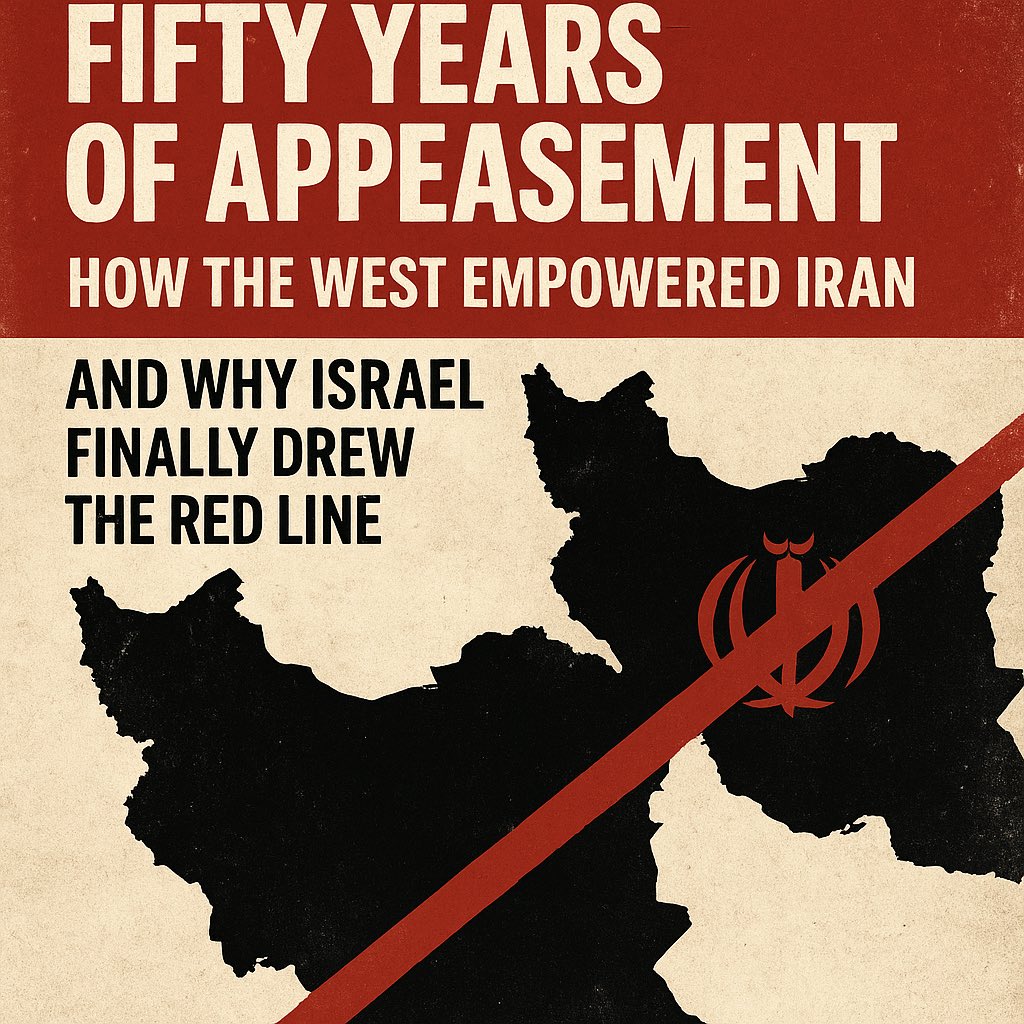

 Heightened Tensions Ignite Speculation
In the wake of Israeli airstrikes that rocked Iran’s nuclear and missile facilities on June 13, 2025, startling reports have surfaced of unscheduled flights taking off from Tehran on June 14, 2025, amid a rising tide of geopolitical tension. Alongside this, credible voices including Israeli Prime Minister Benjamin Netanyahu, philanthropist and Israel advocate Adam Milstein, and journalist Emily Schrader have suggested that key Iranian figures, notably the Islamic Revolutionary Guard Corps (IRGC) top command and their families, might be escaping to Russia, drawing a parallel to Syria’s Bashar al-Assad’s earlier exodus. This piece examines the claims from these credible sources, grounded in flight tracking data, while acknowledging the unverified status of the leadership exodus rumors as of 01:52 AM EDT on Sunday, June 15, 2025.
Shaken Leadership and Strategic Ties
The speculation arises from a cascade of seismic geopolitical events. On June 13, 2025, Israeli airstrikes demolished critical Iranian infrastructure, eliminating high-profile IRGC leaders such as Mohammad Hossein Bagheri, Hossein Salami, and Amir Ali Hajizadeh, as well as political heavyweight Ali Shamkhani. This decapitation strike has destabilized Iran’s military and political hierarchy, compounded by internal pressures like economic stagnation, widespread discontent, and repressive measures. Iran’s deepening alliance with Russia—forged since 2022 with drone exports for the Ukraine conflict and cemented by a 20-year strategic pact in January 2025—positions Moscow as a potential sanctuary. This dynamic echoes Russia’s earlier asylum for Bashar al-Assad in December 2024, providing a blueprint for Iranian elites. The sudden surge of unscheduled flights from Tehran post-strike has ignited speculation from trusted commentators.
Unusual Flight Patterns Emerge
Detailed observations from reliable sources reveal a curious spike in aerial activity from Tehran. The Times of Israel and Flightradar24 logged multiple unscheduled flights departing on June 14, 2025, devoid of callsigns, suggesting covert operations to evade scrutiny. Several aircraft vanished from radar, hinting at deliberate avoidance tactics. An X user, referencing opposition insights, noted 20–30 passenger planes exiting Mehrabad Airport despite a reported flight ban, while Flightradar24 posits these could be relocating to safer zones amid fears of additional Israeli strikes. Launched mere hours after the airstrikes, this flurry of activity prompts speculation about their purpose—potentially evacuation, strategic redeployment, or other undisclosed missions.
Credible Sources Highlight Exodus Rumors
Prominent figures have lent weight to rumors of an Iranian leadership flight to Russia. Adam Milstein, a respected philanthropist and Israel advocate, declared on X on June 14, 2025, “The IRGC top command and their families are fleeing Iran by private jets and seeking refuge in Russia, mirroring Assad’s escape. They know what’s coming. The Islamic regime is crumbling.” Israeli Prime Minister Benjamin Netanyahu reinforced this on the same day, citing “indications” that senior leaders are preparing to flee, hinting at regime fragility. Journalist Emily Schrader reported dissident suspicions of official departures, noting five aircraft, while commentator Dr. Eli David suggested movements toward Russia and beyond. Opposition media and a Nairaland post claimed 8+ planes carried leaders, backed by alleged departure footage, with additional X posts mentioning private jets and IRGC family flights. The scenario gains traction from Russia’s asylum for Assad and the logistical support of IRGC-controlled airlines like Mahan Air.
Mixed Signals Cloud the Narrative
While credible sources fuel these rumors, conflicting evidence muddies the waters. President Masoud Pezeshkian’s diplomatic engagement with Vladimir Putin on June 13, 2025, and Foreign Minister Abbas Araghchi’s active presence in Tehran, liaising with global counterparts, suggest some leaders remain steadfast. Iranian state media’s rapid appointment of new IRGC commanders, such as Abdolrahim Mousavi as chief of staff, signals resilience among those staying to maintain order. However, the rumors’ vague references to “IRGC top command” and “senior officials”—without naming Pezeshkian or Araghchi—hint at a possible split, where some elements might be fleeing while others hold the line. Reliance on unverified opposition channels and X posts, absent support from major news outlets or official Iranian and Russian statements, weakens the case. No proof confirms arrivals in Moscow, and alternative explanations—like flights moving military assets or civilians—align with IRGC airlines’ past operations. This duality suggests a fragmented leadership response, though evidence remains inconclusive.
Assessing the Stakes of the Rumors
The unscheduled flights are a documented phenomenon, tracked by The Times of Israel and Flightradar24, though their purpose remains unclear. Credible figures like Adam Milstein, Netanyahu, and Emily Schrader point to a potential leadership flight, yet without specific names or official confirmation, these claims stay unverified. If accurate, the departure of IRGC leaders and families to Russia, akin to Assad’s exit, might herald a regime collapse, significantly strengthening Russia’s influence. Moscow could gain by offering asylum, potentially absorbing fleeing elites’ expertise, securing abandoned Iranian military technology, or leveraging intelligence networks, thereby enhancing its strategic foothold in the Middle East. This would bolster Russia’s role as a protector of allied regimes, countering Western influence. However, a regime change favoring a Western-friendly government could reverse this advantage. A pro-Western Iran might realign with the U.S. and NATO, redirecting its oil reserves, military cooperation, and diplomatic ties away from Russia. This shift could weaken Moscow’s regional leverage, especially if new leaders dismantle IRGC remnants and distance themselves from Russian support, leaving Russia with diminished allies and a reduced buffer against Western encroachment. Conversely, if the rumors prove false, they might be a propaganda tool to destabilize Iran, amplifying perceptions of vulnerability and sowing discord.
Navigating Uncertainty in a Tense Landscape
The confirmed unscheduled flights from Tehran on June 14, 2025, align with rumors from credible sources like Adam Milstein, Benjamin Netanyahu, and Emily Schrader, indicating that IRGC top command and their families may be fleeing to Russia, similar to Assad’s departure. Yet, these claims lack verification, challenged by the ongoing presence of leaders like Pezeshkian and Araghchi, and the absence of confirmed Moscow arrivals. This underscores the complexity of interpreting events in a conflict zone as of 01:52 AM EDT on Sunday, June 15, 2025, where credible insights offer perspective but no definitive proof. Tehran Flights and Leadership Fleeing Rumors
Heightened Tensions Ignite Speculation
In the wake of Israeli airstrikes that rocked Iran’s nuclear and missile facilities on June 13, 2025, startling reports have surfaced of unscheduled flights taking off from Tehran on June 14, 2025, amid a rising tide of geopolitical tension. Alongside this, credible voices including Israeli Prime Minister Benjamin Netanyahu, philanthropist and Israel advocate Adam Milstein, and journalist Emily Schrader have suggested that key Iranian figures, notably the Islamic Revolutionary Guard Corps (IRGC) top command and their families, might be escaping to Russia, drawing a parallel to Syria’s Bashar al-Assad’s earlier exodus. This piece examines the claims from these credible sources, grounded in flight tracking data, while acknowledging the unverified status of the leadership exodus rumors as of 01:52 AM EDT on Sunday, June 15, 2025.
Shaken Leadership and Strategic Ties
The speculation arises from a cascade of seismic geopolitical events. On June 13, 2025, Israeli airstrikes demolished critical Iranian infrastructure, eliminating high-profile IRGC leaders such as Mohammad Hossein Bagheri, Hossein Salami, and Amir Ali Hajizadeh, as well as political heavyweight Ali Shamkhani. This decapitation strike has destabilized Iran’s military and political hierarchy, compounded by internal pressures like economic stagnation, widespread discontent, and repressive measures. Iran’s deepening alliance with Russia—forged since 2022 with drone exports for the Ukraine conflict and cemented by a 20-year strategic pact in January 2025—positions Moscow as a potential sanctuary. This dynamic echoes Russia’s earlier asylum for Bashar al-Assad in December 2024, providing a blueprint for Iranian elites. The sudden surge of unscheduled flights from Tehran post-strike has ignited speculation from trusted commentators.
Unusual Flight Patterns Emerge
Detailed observations from reliable sources reveal a curious spike in aerial activity from Tehran. The Times of Israel and Flightradar24 logged multiple unscheduled flights departing on June 14, 2025, devoid of callsigns, suggesting covert operations to evade scrutiny. Several aircraft vanished from radar, hinting at deliberate avoidance tactics. An X user, referencing opposition insights, noted 20–30 passenger planes exiting Mehrabad Airport despite a reported flight ban, while Flightradar24 posits these could be relocating to safer zones amid fears of additional Israeli strikes. Launched mere hours after the airstrikes, this flurry of activity prompts speculation about their purpose—potentially evacuation, strategic redeployment, or other undisclosed missions.
Credible Sources Highlight Exodus Rumors
Prominent figures have lent weight to rumors of an Iranian leadership flight to Russia. Adam Milstein, a respected philanthropist and Israel advocate, declared on X on June 14, 2025, “The IRGC top command and their families are fleeing Iran by private jets and seeking refuge in Russia, mirroring Assad’s escape. They know what’s coming. The Islamic regime is crumbling.” Israeli Prime Minister Benjamin Netanyahu reinforced this on the same day, citing “indications” that senior leaders are preparing to flee, hinting at regime fragility. Journalist Emily Schrader reported dissident suspicions of official departures, noting five aircraft, while commentator Dr. Eli David suggested movements toward Russia and beyond. Opposition media and a Nairaland post claimed 8+ planes carried leaders, backed by alleged departure footage, with additional X posts mentioning private jets and IRGC family flights. The scenario gains traction from Russia’s asylum for Assad and the logistical support of IRGC-controlled airlines like Mahan Air.
Mixed Signals Cloud the Narrative
While credible sources fuel these rumors, conflicting evidence muddies the waters. President Masoud Pezeshkian’s diplomatic engagement with Vladimir Putin on June 13, 2025, and Foreign Minister Abbas Araghchi’s active presence in Tehran, liaising with global counterparts, suggest some leaders remain steadfast. Iranian state media’s rapid appointment of new IRGC commanders, such as Abdolrahim Mousavi as chief of staff, signals resilience among those staying to maintain order. However, the rumors’ vague references to “IRGC top command” and “senior officials”—without naming Pezeshkian or Araghchi—hint at a possible split, where some elements might be fleeing while others hold the line. Reliance on unverified opposition channels and X posts, absent support from major news outlets or official Iranian and Russian statements, weakens the case. No proof confirms arrivals in Moscow, and alternative explanations—like flights moving military assets or civilians—align with IRGC airlines’ past operations. This duality suggests a fragmented leadership response, though evidence remains inconclusive.
Assessing the Stakes of the Rumors
The unscheduled flights are a documented phenomenon, tracked by The Times of Israel and Flightradar24, though their purpose remains unclear. Credible figures like Adam Milstein, Netanyahu, and Emily Schrader point to a potential leadership flight, yet without specific names or official confirmation, these claims stay unverified. If accurate, the departure of IRGC leaders and families to Russia, akin to Assad’s exit, might herald a regime collapse, significantly strengthening Russia’s influence. Moscow could gain by offering asylum, potentially absorbing fleeing elites’ expertise, securing abandoned Iranian military technology, or leveraging intelligence networks, thereby enhancing its strategic foothold in the Middle East. This would bolster Russia’s role as a protector of allied regimes, countering Western influence. However, a regime change favoring a Western-friendly government could reverse this advantage. A pro-Western Iran might realign with the U.S. and NATO, redirecting its oil reserves, military cooperation, and diplomatic ties away from Russia. This shift could weaken Moscow’s regional leverage, especially if new leaders dismantle IRGC remnants and distance themselves from Russian support, leaving Russia with diminished allies and a reduced buffer against Western encroachment. Conversely, if the rumors prove false, they might be a propaganda tool to destabilize Iran, amplifying perceptions of vulnerability and sowing discord.
Navigating Uncertainty in a Tense Landscape
The confirmed unscheduled flights from Tehran on June 14, 2025, align with rumors from credible sources like Adam Milstein, Benjamin Netanyahu, and Emily Schrader, indicating that IRGC top command and their families may be fleeing to Russia, similar to Assad’s departure. Yet, these claims lack verification, challenged by the ongoing presence of leaders like Pezeshkian and Araghchi, and the absence of confirmed Moscow arrivals. This underscores the complexity of interpreting events in a conflict zone as of 01:52 AM EDT on Sunday, June 15, 2025, where credible insights offer perspective but no definitive proof. The possibility of a split—some fleeing, some staying—adds layers to the narrative, with a potential Western-aligned regime change posing a significant setback to Russia’s ambitions. With Iran-Israel tensions persisting, further developments are anticipated, emphasizing the need for careful assessment of credible information to discern the evolving truth.
The possibility of a split—some fleeing, some staying—adds layers to the narrative, with a potential Western-aligned regime change posing a significant setback to Russia’s ambitions. With Iran-Israel tensions persisting, further developments are anticipated, emphasizing the need for careful assessment of credible information to discern the evolving truth.
Heightened Tensions Ignite Speculation
In the wake of Israeli airstrikes that rocked Iran’s nuclear and missile facilities on June 13, 2025, startling reports have surfaced of unscheduled flights taking off from Tehran on June 14, 2025, amid a rising tide of geopolitical tension. Alongside this, credible voices including Israeli Prime Minister Benjamin Netanyahu, philanthropist and Israel advocate Adam Milstein, and journalist Emily Schrader have suggested that key Iranian figures, notably the Islamic Revolutionary Guard Corps (IRGC) top command and their families, might be escaping to Russia, drawing a parallel to Syria’s Bashar al-Assad’s earlier exodus. This piece examines the claims from these credible sources, grounded in flight tracking data, while acknowledging the unverified status of the leadership exodus rumors as of 01:52 AM EDT on Sunday, June 15, 2025.
Shaken Leadership and Strategic Ties
The speculation arises from a cascade of seismic geopolitical events. On June 13, 2025, Israeli airstrikes demolished critical Iranian infrastructure, eliminating high-profile IRGC leaders such as Mohammad Hossein Bagheri, Hossein Salami, and Amir Ali Hajizadeh, as well as political heavyweight Ali Shamkhani. This decapitation strike has destabilized Iran’s military and political hierarchy, compounded by internal pressures like economic stagnation, widespread discontent, and repressive measures. Iran’s deepening alliance with Russia—forged since 2022 with drone exports for the Ukraine conflict and cemented by a 20-year strategic pact in January 2025—positions Moscow as a potential sanctuary. This dynamic echoes Russia’s earlier asylum for Bashar al-Assad in December 2024, providing a blueprint for Iranian elites. The sudden surge of unscheduled flights from Tehran post-strike has ignited speculation from trusted commentators.
Unusual Flight Patterns Emerge
Detailed observations from reliable sources reveal a curious spike in aerial activity from Tehran. The Times of Israel and Flightradar24 logged multiple unscheduled flights departing on June 14, 2025, devoid of callsigns, suggesting covert operations to evade scrutiny. Several aircraft vanished from radar, hinting at deliberate avoidance tactics. An X user, referencing opposition insights, noted 20–30 passenger planes exiting Mehrabad Airport despite a reported flight ban, while Flightradar24 posits these could be relocating to safer zones amid fears of additional Israeli strikes. Launched mere hours after the airstrikes, this flurry of activity prompts speculation about their purpose—potentially evacuation, strategic redeployment, or other undisclosed missions.
Credible Sources Highlight Exodus Rumors
Prominent figures have lent weight to rumors of an Iranian leadership flight to Russia. Adam Milstein, a respected philanthropist and Israel advocate, declared on X on June 14, 2025, “The IRGC top command and their families are fleeing Iran by private jets and seeking refuge in Russia, mirroring Assad’s escape. They know what’s coming. The Islamic regime is crumbling.” Israeli Prime Minister Benjamin Netanyahu reinforced this on the same day, citing “indications” that senior leaders are preparing to flee, hinting at regime fragility. Journalist Emily Schrader reported dissident suspicions of official departures, noting five aircraft, while commentator Dr. Eli David suggested movements toward Russia and beyond. Opposition media and a Nairaland post claimed 8+ planes carried leaders, backed by alleged departure footage, with additional X posts mentioning private jets and IRGC family flights. The scenario gains traction from Russia’s asylum for Assad and the logistical support of IRGC-controlled airlines like Mahan Air.
Mixed Signals Cloud the Narrative
While credible sources fuel these rumors, conflicting evidence muddies the waters. President Masoud Pezeshkian’s diplomatic engagement with Vladimir Putin on June 13, 2025, and Foreign Minister Abbas Araghchi’s active presence in Tehran, liaising with global counterparts, suggest some leaders remain steadfast. Iranian state media’s rapid appointment of new IRGC commanders, such as Abdolrahim Mousavi as chief of staff, signals resilience among those staying to maintain order. However, the rumors’ vague references to “IRGC top command” and “senior officials”—without naming Pezeshkian or Araghchi—hint at a possible split, where some elements might be fleeing while others hold the line. Reliance on unverified opposition channels and X posts, absent support from major news outlets or official Iranian and Russian statements, weakens the case. No proof confirms arrivals in Moscow, and alternative explanations—like flights moving military assets or civilians—align with IRGC airlines’ past operations. This duality suggests a fragmented leadership response, though evidence remains inconclusive.
Assessing the Stakes of the Rumors
The unscheduled flights are a documented phenomenon, tracked by The Times of Israel and Flightradar24, though their purpose remains unclear. Credible figures like Adam Milstein, Netanyahu, and Emily Schrader point to a potential leadership flight, yet without specific names or official confirmation, these claims stay unverified. If accurate, the departure of IRGC leaders and families to Russia, akin to Assad’s exit, might herald a regime collapse, significantly strengthening Russia’s influence. Moscow could gain by offering asylum, potentially absorbing fleeing elites’ expertise, securing abandoned Iranian military technology, or leveraging intelligence networks, thereby enhancing its strategic foothold in the Middle East. This would bolster Russia’s role as a protector of allied regimes, countering Western influence. However, a regime change favoring a Western-friendly government could reverse this advantage. A pro-Western Iran might realign with the U.S. and NATO, redirecting its oil reserves, military cooperation, and diplomatic ties away from Russia. This shift could weaken Moscow’s regional leverage, especially if new leaders dismantle IRGC remnants and distance themselves from Russian support, leaving Russia with diminished allies and a reduced buffer against Western encroachment. Conversely, if the rumors prove false, they might be a propaganda tool to destabilize Iran, amplifying perceptions of vulnerability and sowing discord.
Navigating Uncertainty in a Tense Landscape
The confirmed unscheduled flights from Tehran on June 14, 2025, align with rumors from credible sources like Adam Milstein, Benjamin Netanyahu, and Emily Schrader, indicating that IRGC top command and their families may be fleeing to Russia, similar to Assad’s departure. Yet, these claims lack verification, challenged by the ongoing presence of leaders like Pezeshkian and Araghchi, and the absence of confirmed Moscow arrivals. This underscores the complexity of interpreting events in a conflict zone as of 01:52 AM EDT on Sunday, June 15, 2025, where credible insights offer perspective but no definitive proof. Tehran Flights and Leadership Fleeing Rumors
Heightened Tensions Ignite Speculation
In the wake of Israeli airstrikes that rocked Iran’s nuclear and missile facilities on June 13, 2025, startling reports have surfaced of unscheduled flights taking off from Tehran on June 14, 2025, amid a rising tide of geopolitical tension. Alongside this, credible voices including Israeli Prime Minister Benjamin Netanyahu, philanthropist and Israel advocate Adam Milstein, and journalist Emily Schrader have suggested that key Iranian figures, notably the Islamic Revolutionary Guard Corps (IRGC) top command and their families, might be escaping to Russia, drawing a parallel to Syria’s Bashar al-Assad’s earlier exodus. This piece examines the claims from these credible sources, grounded in flight tracking data, while acknowledging the unverified status of the leadership exodus rumors as of 01:52 AM EDT on Sunday, June 15, 2025.
Shaken Leadership and Strategic Ties
The speculation arises from a cascade of seismic geopolitical events. On June 13, 2025, Israeli airstrikes demolished critical Iranian infrastructure, eliminating high-profile IRGC leaders such as Mohammad Hossein Bagheri, Hossein Salami, and Amir Ali Hajizadeh, as well as political heavyweight Ali Shamkhani. This decapitation strike has destabilized Iran’s military and political hierarchy, compounded by internal pressures like economic stagnation, widespread discontent, and repressive measures. Iran’s deepening alliance with Russia—forged since 2022 with drone exports for the Ukraine conflict and cemented by a 20-year strategic pact in January 2025—positions Moscow as a potential sanctuary. This dynamic echoes Russia’s earlier asylum for Bashar al-Assad in December 2024, providing a blueprint for Iranian elites. The sudden surge of unscheduled flights from Tehran post-strike has ignited speculation from trusted commentators.
Unusual Flight Patterns Emerge
Detailed observations from reliable sources reveal a curious spike in aerial activity from Tehran. The Times of Israel and Flightradar24 logged multiple unscheduled flights departing on June 14, 2025, devoid of callsigns, suggesting covert operations to evade scrutiny. Several aircraft vanished from radar, hinting at deliberate avoidance tactics. An X user, referencing opposition insights, noted 20–30 passenger planes exiting Mehrabad Airport despite a reported flight ban, while Flightradar24 posits these could be relocating to safer zones amid fears of additional Israeli strikes. Launched mere hours after the airstrikes, this flurry of activity prompts speculation about their purpose—potentially evacuation, strategic redeployment, or other undisclosed missions.
Credible Sources Highlight Exodus Rumors
Prominent figures have lent weight to rumors of an Iranian leadership flight to Russia. Adam Milstein, a respected philanthropist and Israel advocate, declared on X on June 14, 2025, “The IRGC top command and their families are fleeing Iran by private jets and seeking refuge in Russia, mirroring Assad’s escape. They know what’s coming. The Islamic regime is crumbling.” Israeli Prime Minister Benjamin Netanyahu reinforced this on the same day, citing “indications” that senior leaders are preparing to flee, hinting at regime fragility. Journalist Emily Schrader reported dissident suspicions of official departures, noting five aircraft, while commentator Dr. Eli David suggested movements toward Russia and beyond. Opposition media and a Nairaland post claimed 8+ planes carried leaders, backed by alleged departure footage, with additional X posts mentioning private jets and IRGC family flights. The scenario gains traction from Russia’s asylum for Assad and the logistical support of IRGC-controlled airlines like Mahan Air.
Mixed Signals Cloud the Narrative
While credible sources fuel these rumors, conflicting evidence muddies the waters. President Masoud Pezeshkian’s diplomatic engagement with Vladimir Putin on June 13, 2025, and Foreign Minister Abbas Araghchi’s active presence in Tehran, liaising with global counterparts, suggest some leaders remain steadfast. Iranian state media’s rapid appointment of new IRGC commanders, such as Abdolrahim Mousavi as chief of staff, signals resilience among those staying to maintain order. However, the rumors’ vague references to “IRGC top command” and “senior officials”—without naming Pezeshkian or Araghchi—hint at a possible split, where some elements might be fleeing while others hold the line. Reliance on unverified opposition channels and X posts, absent support from major news outlets or official Iranian and Russian statements, weakens the case. No proof confirms arrivals in Moscow, and alternative explanations—like flights moving military assets or civilians—align with IRGC airlines’ past operations. This duality suggests a fragmented leadership response, though evidence remains inconclusive.
Assessing the Stakes of the Rumors
The unscheduled flights are a documented phenomenon, tracked by The Times of Israel and Flightradar24, though their purpose remains unclear. Credible figures like Adam Milstein, Netanyahu, and Emily Schrader point to a potential leadership flight, yet without specific names or official confirmation, these claims stay unverified. If accurate, the departure of IRGC leaders and families to Russia, akin to Assad’s exit, might herald a regime collapse, significantly strengthening Russia’s influence. Moscow could gain by offering asylum, potentially absorbing fleeing elites’ expertise, securing abandoned Iranian military technology, or leveraging intelligence networks, thereby enhancing its strategic foothold in the Middle East. This would bolster Russia’s role as a protector of allied regimes, countering Western influence. However, a regime change favoring a Western-friendly government could reverse this advantage. A pro-Western Iran might realign with the U.S. and NATO, redirecting its oil reserves, military cooperation, and diplomatic ties away from Russia. This shift could weaken Moscow’s regional leverage, especially if new leaders dismantle IRGC remnants and distance themselves from Russian support, leaving Russia with diminished allies and a reduced buffer against Western encroachment. Conversely, if the rumors prove false, they might be a propaganda tool to destabilize Iran, amplifying perceptions of vulnerability and sowing discord.
Navigating Uncertainty in a Tense Landscape
The confirmed unscheduled flights from Tehran on June 14, 2025, align with rumors from credible sources like Adam Milstein, Benjamin Netanyahu, and Emily Schrader, indicating that IRGC top command and their families may be fleeing to Russia, similar to Assad’s departure. Yet, these claims lack verification, challenged by the ongoing presence of leaders like Pezeshkian and Araghchi, and the absence of confirmed Moscow arrivals. This underscores the complexity of interpreting events in a conflict zone as of 01:52 AM EDT on Sunday, June 15, 2025, where credible insights offer perspective but no definitive proof. The possibility of a split—some fleeing, some staying—adds layers to the narrative, with a potential Western-aligned regime change posing a significant setback to Russia’s ambitions. With Iran-Israel tensions persisting, further developments are anticipated, emphasizing the need for careful assessment of credible information to discern the evolving truth.
The possibility of a split—some fleeing, some staying—adds layers to the narrative, with a potential Western-aligned regime change posing a significant setback to Russia’s ambitions. With Iran-Israel tensions persisting, further developments are anticipated, emphasizing the need for careful assessment of credible information to discern the evolving truth.
 Launch of the March
During June 2025, the Global March to Gaza attracted thousands of activists from 40-80 countries to Egypt, aiming to highlight Gaza’s humanitarian crisis and protest what they label Israel’s “blockade.” The effort planned a march from Cairo to the Rafah border crossing to demand a humanitarian corridor. Egyptian authorities and local residents, however, swiftly halted the initiative, opposing the activists’ call for open borders—a policy Egypt’s military enforces to restrict Gazans from entering, with considerable local backing.
Aims and Key Figures
The march, organized as a peaceful, civilian-led action, sought to focus global attention on Gaza’s challenges and advocate unrestricted Rafah border access. Participants hailed from diverse nations, including notable figures like former U.S. diplomat Hala Rharrit and South African ex-lawmaker Nkosi Zwelivelile Mandela. The itinerary involved bus travel to El-Arish, a 30-50 km walk to Rafah, and camping nearby for a symbolic protest, without plans to cross into Gaza. Activists assumed their cause would resonate with Egyptians, given Egypt’s public criticism of Gaza’s conditions, but overlooked Egypt’s own border restrictions.
Egyptian Military’s Border Control
From June 12 to 14, 2025, Egyptian authorities, supported by military forces at the Rafah crossing, acted decisively to stop the march:
Over 200 activists faced detention within Cairo, and dozens were deported upon arriving at Cairo International Airport. More than 148 returned to countries like Germany, Turkey, and various European nations, often for lacking permits. Over 40 Canadians were among those detained, with reports of passport confiscation and questioning.
On June 13-14, at a checkpoint near Ismailia, roughly 30 km from Cairo, security forces blocked the march. Organizers reported activists being directed onto buses, with some accounts mentioning physical confrontations. Melanie Schweizer, an organizer, described individuals being forcibly moved, and a Welsh nurse appeared on video engaging with security personnel. The Greek delegation also noted difficulties.
The Egyptian military’s tight control over the Rafah crossing, a militarized Sinai zone, stems from Egypt’s policy of preventing Gazans from entering, driven by security and stability concerns. The government requires prior coordination and permits for border access, a stance tied to its peace treaty with Israel and mediation role within the Israel-Palestine conflict. The activists’ protest against the supposed “blockade” directly contradicted Egypt’s deliberate border restrictions, which the military upholds to keep Gazans out.
Local Residents’ Opposition
As activists attempted to advance toward Rafah, they encountered fierce resistance from Egyptian residents who rejected their protest against the supposed “blockade.” Locals confronted activists, throwing shoes, striking them with shoes, and engaging within verbal and physical opposition. Social media posts and videos captured Egyptians criticizing the march as harmful to Egypt’s stability and reputation, with many supporting the military’s policy of restricting Gazan entry. Activists involved within these encounters often faced escort to the airport for deportation. Some online claims suggested authorities prompted local actions, but no verified evidence supports this. The local backlash revealed that Egyptians opposed the activists’ advocacy for a cause—open borders—they viewed as worsening regional issues.
Regional and Political Context
Egypt’s actions reflect its complex position, balancing public sympathy for Palestinians with its policy of restricting Gazan entry to protect national interests, including its treaty with Israel and U.S. military aid. The Egyptian military’s role within keeping Gazans out of Egypt represents a deliberate choice, not merely a consequence of Israel’s actions, and the activists’ focus on a supposed “blockade” misjudged this reality. Israel’s Defense Minister Israel Katz’s call to block the march, citing security risks, added pressure, but Egypt’s response remained rooted within its own priorities. A related effort, the “Soumoud” convoy from Tunisia through Libya, halted at Sirte, Libya, on June 13, due to lacking Egyptian authorization, highlighting regional barriers to such initiatives.
Halt of the March
By June 14, 2025, the march could not proceed, with activists detained, deported, or blocked from reaching Sinai. Organizers expressed plans to persist, but Egypt’s military restrictions and local opposition rendered reaching Rafah unfeasible.
Reality of Activism’s Misstep
This represents the reality of being an activist advocating for a cause that locals reject, believing you’re solving a problem they think you’re making worse. The Global March to Gaza sought to challenge what activists claim is a “blockade” but faced derailment by Egypt’s military, which restricts Gazans from entering Egypt, and by locals who opposed the activists’ presence. These events illustrate the challenges of international activism within regions with intricate geopolitical dynamics, where local and state priorities—here, Egypt’s border control and stability—clash with activists’ goals. The activists’ push for open borders appeared misguided to Egyptians who support keeping Gazans out, exposing a fundamental disconnect.
Launch of the March
During June 2025, the Global March to Gaza attracted thousands of activists from 40-80 countries to Egypt, aiming to highlight Gaza’s humanitarian crisis and protest what they label Israel’s “blockade.” The effort planned a march from Cairo to the Rafah border crossing to demand a humanitarian corridor. Egyptian authorities and local residents, however, swiftly halted the initiative, opposing the activists’ call for open borders—a policy Egypt’s military enforces to restrict Gazans from entering, with considerable local backing.
Aims and Key Figures
The march, organized as a peaceful, civilian-led action, sought to focus global attention on Gaza’s challenges and advocate unrestricted Rafah border access. Participants hailed from diverse nations, including notable figures like former U.S. diplomat Hala Rharrit and South African ex-lawmaker Nkosi Zwelivelile Mandela. The itinerary involved bus travel to El-Arish, a 30-50 km walk to Rafah, and camping nearby for a symbolic protest, without plans to cross into Gaza. Activists assumed their cause would resonate with Egyptians, given Egypt’s public criticism of Gaza’s conditions, but overlooked Egypt’s own border restrictions.
Egyptian Military’s Border Control
From June 12 to 14, 2025, Egyptian authorities, supported by military forces at the Rafah crossing, acted decisively to stop the march:
Over 200 activists faced detention within Cairo, and dozens were deported upon arriving at Cairo International Airport. More than 148 returned to countries like Germany, Turkey, and various European nations, often for lacking permits. Over 40 Canadians were among those detained, with reports of passport confiscation and questioning.
On June 13-14, at a checkpoint near Ismailia, roughly 30 km from Cairo, security forces blocked the march. Organizers reported activists being directed onto buses, with some accounts mentioning physical confrontations. Melanie Schweizer, an organizer, described individuals being forcibly moved, and a Welsh nurse appeared on video engaging with security personnel. The Greek delegation also noted difficulties.
The Egyptian military’s tight control over the Rafah crossing, a militarized Sinai zone, stems from Egypt’s policy of preventing Gazans from entering, driven by security and stability concerns. The government requires prior coordination and permits for border access, a stance tied to its peace treaty with Israel and mediation role within the Israel-Palestine conflict. The activists’ protest against the supposed “blockade” directly contradicted Egypt’s deliberate border restrictions, which the military upholds to keep Gazans out.
Local Residents’ Opposition
As activists attempted to advance toward Rafah, they encountered fierce resistance from Egyptian residents who rejected their protest against the supposed “blockade.” Locals confronted activists, throwing shoes, striking them with shoes, and engaging within verbal and physical opposition. Social media posts and videos captured Egyptians criticizing the march as harmful to Egypt’s stability and reputation, with many supporting the military’s policy of restricting Gazan entry. Activists involved within these encounters often faced escort to the airport for deportation. Some online claims suggested authorities prompted local actions, but no verified evidence supports this. The local backlash revealed that Egyptians opposed the activists’ advocacy for a cause—open borders—they viewed as worsening regional issues.
Regional and Political Context
Egypt’s actions reflect its complex position, balancing public sympathy for Palestinians with its policy of restricting Gazan entry to protect national interests, including its treaty with Israel and U.S. military aid. The Egyptian military’s role within keeping Gazans out of Egypt represents a deliberate choice, not merely a consequence of Israel’s actions, and the activists’ focus on a supposed “blockade” misjudged this reality. Israel’s Defense Minister Israel Katz’s call to block the march, citing security risks, added pressure, but Egypt’s response remained rooted within its own priorities. A related effort, the “Soumoud” convoy from Tunisia through Libya, halted at Sirte, Libya, on June 13, due to lacking Egyptian authorization, highlighting regional barriers to such initiatives.
Halt of the March
By June 14, 2025, the march could not proceed, with activists detained, deported, or blocked from reaching Sinai. Organizers expressed plans to persist, but Egypt’s military restrictions and local opposition rendered reaching Rafah unfeasible.
Reality of Activism’s Misstep
This represents the reality of being an activist advocating for a cause that locals reject, believing you’re solving a problem they think you’re making worse. The Global March to Gaza sought to challenge what activists claim is a “blockade” but faced derailment by Egypt’s military, which restricts Gazans from entering Egypt, and by locals who opposed the activists’ presence. These events illustrate the challenges of international activism within regions with intricate geopolitical dynamics, where local and state priorities—here, Egypt’s border control and stability—clash with activists’ goals. The activists’ push for open borders appeared misguided to Egyptians who support keeping Gazans out, exposing a fundamental disconnect.
 Imagine a molecule so powerful it could fuel a rocket to Mars, store clean energy for entire cities, or reshape how we build our world—all without leaving a trace of pollution. This isn’t science fiction; it’s hexanitrogen (N6), the most energetic neutral molecule ever created. Synthesized by researchers in Germany, N6 is sparking excitement across science and industry for its potential to revolutionize energy, space exploration, and sustainability. This tiny chain of six nitrogen atoms could be the key to a brighter, bolder future. Here’s why everyone’s talking about it—and why you should care.
A Molecular Powerhouse
Hexanitrogen, or N6, is a chemical marvel. Picture six nitrogen atoms linked in a delicate chain, holding an immense amount of energy in their bonds. When N6 breaks apart, it transforms into three nitrogen gas (N2) molecules, releasing a staggering 185.2 kilocalories per mole—enough energy to make TNT look like a sparkler. To put it in perspective, N6 packs 2.2 times the punch of TNT and double the energy of HMX, the most powerful chemical explosive known. It’s like cramming the energy of a lightning bolt into a molecule the size of a grain of sand.
The breakthrough came at Justus Liebig University Giessen, where chemists reacted chlorine or bromine with silver azide in a gas-phase setup. They trapped N6 in argon matrices at a chilly 10 K or as a film in liquid nitrogen at 77 K, where it’s surprisingly stable, with a half-life exceeding 132 years. At room temperature, it’s a bit more fleeting, lasting just 36 milliseconds before breaking apart. This stability at low temperatures, combined with its explosive potential, makes N6 a scientific sensation. Fun fact: it’s only the second neutral nitrogen molecule ever isolated, joining nitrogen gas (N2) in an exclusive chemical club.
A Game-Changer for Society
N6 isn’t just a lab curiosity—it’s a molecule with big dreams. Its ability to store and release massive energy, all while producing only harmless nitrogen gas, opens doors to applications that could transform our world. Here’s how N6 could make a difference:
Powering a Clean Energy Revolution
Picture a future where solar panels capture sunlight during the day, and N6 stores that energy to light up your home at night—no batteries, no emissions, just pure power. With an energy density about five times that of hydrogen, N6 could make renewable energy more practical, helping us ditch fossil fuels for good. Whether it’s powering electric vehicles or stabilizing the grid during cloudy days, N6 could bring clean energy to every corner of the globe, cutting greenhouse gases and making the air we breathe a little fresher.
Rocketing to the Stars
Space exploration just got a new best friend. N6’s potential as a rocket fuel could make missions to Mars faster, cheaper, and greener. Unlike hydrazine, a common fuel that corrodes engines, N6 delivers a burst of energy with no harmful byproducts. Imagine satellites beaming internet to remote villages or astronauts planting flags on distant planets, all powered by a molecule that leaves nothing but nitrogen in its wake. With N6, the stars feel a little closer—and the dream of affordable space travel a lot more real.
Building a Greener World
N6 could also reshape how we build and rebuild our cities. As a clean explosive, it’s perfect for precision demolitions or mining, breaking down old structures or extracting resources without leaving toxic residues. Picture a bustling city redeveloped with minimal environmental impact, or mining operations that don’t poison rivers. By replacing traditional explosives that spew nitrates, N6 could make construction safer for workers and kinder to the planet.
Inspiring the Next Big Idea
Beyond its practical uses, N6 is a scientific spark. As the first neutral nitrogen allotrope beyond N2 to be bottled up, it’s teaching chemists what’s possible. Researchers are already eyeing bigger nitrogen molecules, like N10, which could push the boundaries even further. This discovery, backed by a European patent filed in August 2024, is fueling innovation in materials science, energy storage, and beyond. It’s the kind of breakthrough that inspires kids in science class to dream big—and maybe invent the next world-changing molecule.
Taming the Beast
Of course, N6 isn’t ready to hit the market just yet. Its 36-millisecond lifespan at room temperature makes it a bit like a firecracker waiting to pop. Storing it requires liquid nitrogen at 77 K, which isn’t exactly backpack-friendly. Then there’s the challenge of releasing its energy in a controlled way—nobody wants an accidental boom. But researchers are on the case, exploring ways to stabilize N6 or encase it in protective materials. They’re also working on methods to harness its power safely, whether for rockets or power plants. The question isn’t if we’ll tame N6, but when.
Why This Matters to You
So, why should you care about a molecule most of us will never see? Because N6 is about more than chemistry—it’s about the world we want to live in. It’s cleaner air for your kids, cheaper energy for your home, and the thrill of watching humanity reach for the stars. It’s a reminder that science, at its best, solves problems and ignites dreams. Every step forward with N6 brings us closer to a future where energy is sustainable, space is accessible, and our planet is a little healthier.
Want to be part of this story? Keep an eye on N6’s journey—check out the latest research in Nature (Qian, Mardyukov, and Schreiner, 2025) or support science programs that nurture the next generation of innovators. Because hexanitrogen isn’t just a molecule; it’s a spark for a brighter tomorrow.
A Spark for the Future
Hexanitrogen is more than a chemical oddity—it’s a glimpse of what’s possible when human curiosity meets cutting-edge science. From powering cities to propelling spaceships, this tiny molecule could light up our future without harming our planet. As researchers work to unlock its secrets, one thing is clear: N6 is a bold step toward a world where energy is clean, exploration is limitless, and innovation knows no bounds. Buckle up—this molecule might just take us to the stars.
Imagine a molecule so powerful it could fuel a rocket to Mars, store clean energy for entire cities, or reshape how we build our world—all without leaving a trace of pollution. This isn’t science fiction; it’s hexanitrogen (N6), the most energetic neutral molecule ever created. Synthesized by researchers in Germany, N6 is sparking excitement across science and industry for its potential to revolutionize energy, space exploration, and sustainability. This tiny chain of six nitrogen atoms could be the key to a brighter, bolder future. Here’s why everyone’s talking about it—and why you should care.
A Molecular Powerhouse
Hexanitrogen, or N6, is a chemical marvel. Picture six nitrogen atoms linked in a delicate chain, holding an immense amount of energy in their bonds. When N6 breaks apart, it transforms into three nitrogen gas (N2) molecules, releasing a staggering 185.2 kilocalories per mole—enough energy to make TNT look like a sparkler. To put it in perspective, N6 packs 2.2 times the punch of TNT and double the energy of HMX, the most powerful chemical explosive known. It’s like cramming the energy of a lightning bolt into a molecule the size of a grain of sand.
The breakthrough came at Justus Liebig University Giessen, where chemists reacted chlorine or bromine with silver azide in a gas-phase setup. They trapped N6 in argon matrices at a chilly 10 K or as a film in liquid nitrogen at 77 K, where it’s surprisingly stable, with a half-life exceeding 132 years. At room temperature, it’s a bit more fleeting, lasting just 36 milliseconds before breaking apart. This stability at low temperatures, combined with its explosive potential, makes N6 a scientific sensation. Fun fact: it’s only the second neutral nitrogen molecule ever isolated, joining nitrogen gas (N2) in an exclusive chemical club.
A Game-Changer for Society
N6 isn’t just a lab curiosity—it’s a molecule with big dreams. Its ability to store and release massive energy, all while producing only harmless nitrogen gas, opens doors to applications that could transform our world. Here’s how N6 could make a difference:
Powering a Clean Energy Revolution
Picture a future where solar panels capture sunlight during the day, and N6 stores that energy to light up your home at night—no batteries, no emissions, just pure power. With an energy density about five times that of hydrogen, N6 could make renewable energy more practical, helping us ditch fossil fuels for good. Whether it’s powering electric vehicles or stabilizing the grid during cloudy days, N6 could bring clean energy to every corner of the globe, cutting greenhouse gases and making the air we breathe a little fresher.
Rocketing to the Stars
Space exploration just got a new best friend. N6’s potential as a rocket fuel could make missions to Mars faster, cheaper, and greener. Unlike hydrazine, a common fuel that corrodes engines, N6 delivers a burst of energy with no harmful byproducts. Imagine satellites beaming internet to remote villages or astronauts planting flags on distant planets, all powered by a molecule that leaves nothing but nitrogen in its wake. With N6, the stars feel a little closer—and the dream of affordable space travel a lot more real.
Building a Greener World
N6 could also reshape how we build and rebuild our cities. As a clean explosive, it’s perfect for precision demolitions or mining, breaking down old structures or extracting resources without leaving toxic residues. Picture a bustling city redeveloped with minimal environmental impact, or mining operations that don’t poison rivers. By replacing traditional explosives that spew nitrates, N6 could make construction safer for workers and kinder to the planet.
Inspiring the Next Big Idea
Beyond its practical uses, N6 is a scientific spark. As the first neutral nitrogen allotrope beyond N2 to be bottled up, it’s teaching chemists what’s possible. Researchers are already eyeing bigger nitrogen molecules, like N10, which could push the boundaries even further. This discovery, backed by a European patent filed in August 2024, is fueling innovation in materials science, energy storage, and beyond. It’s the kind of breakthrough that inspires kids in science class to dream big—and maybe invent the next world-changing molecule.
Taming the Beast
Of course, N6 isn’t ready to hit the market just yet. Its 36-millisecond lifespan at room temperature makes it a bit like a firecracker waiting to pop. Storing it requires liquid nitrogen at 77 K, which isn’t exactly backpack-friendly. Then there’s the challenge of releasing its energy in a controlled way—nobody wants an accidental boom. But researchers are on the case, exploring ways to stabilize N6 or encase it in protective materials. They’re also working on methods to harness its power safely, whether for rockets or power plants. The question isn’t if we’ll tame N6, but when.
Why This Matters to You
So, why should you care about a molecule most of us will never see? Because N6 is about more than chemistry—it’s about the world we want to live in. It’s cleaner air for your kids, cheaper energy for your home, and the thrill of watching humanity reach for the stars. It’s a reminder that science, at its best, solves problems and ignites dreams. Every step forward with N6 brings us closer to a future where energy is sustainable, space is accessible, and our planet is a little healthier.
Want to be part of this story? Keep an eye on N6’s journey—check out the latest research in Nature (Qian, Mardyukov, and Schreiner, 2025) or support science programs that nurture the next generation of innovators. Because hexanitrogen isn’t just a molecule; it’s a spark for a brighter tomorrow.
A Spark for the Future
Hexanitrogen is more than a chemical oddity—it’s a glimpse of what’s possible when human curiosity meets cutting-edge science. From powering cities to propelling spaceships, this tiny molecule could light up our future without harming our planet. As researchers work to unlock its secrets, one thing is clear: N6 is a bold step toward a world where energy is clean, exploration is limitless, and innovation knows no bounds. Buckle up—this molecule might just take us to the stars.
 A chilling pattern is emerging in America, and it’s no longer just about words or protests—it’s about bloodshed. The recent assassination of Minnesota lawmakers has shocked the nation, but it should not surprise anyone paying attention. What we are witnessing is the violent consequence of unchecked radicalization, encouraged, excused, and enabled by the modern Democratic Party.
The Minnesota Political Assassinations
On June 14, 2025, Minnesota State Representative Melissa Hortman and her husband were gunned down in their home. State Senator John Hoffman and his wife were also shot in a related attack, both surviving with serious injuries. The suspect, Vance Boelter, used tactical gear and a fake police vehicle in a premeditated attack. Police later found anti-government flyers labeled “No Kings” and a hit list in his vehicle.
But the most damning connection? Boelter had previously been appointed to a Walz administration advisory board. Governor Tim Walz called the attack “political violence,” but quickly distanced himself from any ideological accountability.
This wasn’t random. It was targeted. And it wasn’t the first.
A Pattern of Excusing Left-Wing Violence
UnitedHealthcare CEO Executed
When the CEO of UnitedHealthcare was executed in broad daylight, the reaction from segments of the online left was not horror—it was justification. “Eat the rich” slogans flooded social media. The murder was reframed as justice, not tragedy. A dangerous precedent was set: murder becomes moral if the victim is wealthy or powerful.
Austin Metcalf Stabbed Over a Seat
Austin Metcalf, a young man, was stabbed to death by a teenager during a dispute over a seat. The response? The killer was quickly cast as a misunderstood youth. Left-leaning voices racialized the event, offering sympathy to the perpetrator and dismissing the victim. Accountability took a backseat to ideology.
Israeli Embassy Staff Murdered
Two young Israeli embassy workers were executed in front of the embassy under banners supporting “Free Palestine.” Rather than condemn the act, progressive groups issued neutral statements or doubled down on their political narrative. Human lives were collateral in a cause. Their deaths were brushed aside, rationalized as “resistance.”
The Violent Rhetoric of Elected Democrats
Senator Alex Padilla
Elected officials are not merely passive observers. Senator Alex Padilla has shown blatant disregard for lawful discourse, aggressively interrupting press events and engaging in behavior more befitting an activist than a statesman. When leaders act unhinged, they validate extremism in their followers.
Rep. Jasmine Crockett
Representative Jasmine Crockett has gone even further—openly calling for the destruction of Elon Musk and Tesla while cheering on acts of domestic terrorism like firebombings. These aren’t offhand remarks. They’re signals. And people are listening.
This Is What Happens
This is what happens when violent rhetoric is tolerated for political convenience. When destruction is framed as “justice,” when riots are called “mostly peaceful,” and when calls for revolution are cheered rather than condemned—people take action. They kill. They burn. They target.
And somehow, through all this, the Left still wants to blame Donald Trump. But who are the ones celebrating the firebombers? Who are the ones refusing to condemn murder when the victim is politically inconvenient?
A Dangerous Game
The Democratic Party has played a dangerous game. It radicalized its base, flirted with insurrectionist language, and weaponized outrage as a political tool. Now that violence is no longer theoretical, they pretend to be innocent bystanders.
They are not.
Words have consequences. Movements have consequences. And when elected leaders glorify destruction and refuse to rein in the extremes, they share the responsibility for what comes next.
Until the Democratic Party condemns its own radicals with the same fervor it directs at its opponents, it will remain the party of political violence. And that should alarm every American—regardless of party.
A chilling pattern is emerging in America, and it’s no longer just about words or protests—it’s about bloodshed. The recent assassination of Minnesota lawmakers has shocked the nation, but it should not surprise anyone paying attention. What we are witnessing is the violent consequence of unchecked radicalization, encouraged, excused, and enabled by the modern Democratic Party.
The Minnesota Political Assassinations
On June 14, 2025, Minnesota State Representative Melissa Hortman and her husband were gunned down in their home. State Senator John Hoffman and his wife were also shot in a related attack, both surviving with serious injuries. The suspect, Vance Boelter, used tactical gear and a fake police vehicle in a premeditated attack. Police later found anti-government flyers labeled “No Kings” and a hit list in his vehicle.
But the most damning connection? Boelter had previously been appointed to a Walz administration advisory board. Governor Tim Walz called the attack “political violence,” but quickly distanced himself from any ideological accountability.
This wasn’t random. It was targeted. And it wasn’t the first.
A Pattern of Excusing Left-Wing Violence
UnitedHealthcare CEO Executed
When the CEO of UnitedHealthcare was executed in broad daylight, the reaction from segments of the online left was not horror—it was justification. “Eat the rich” slogans flooded social media. The murder was reframed as justice, not tragedy. A dangerous precedent was set: murder becomes moral if the victim is wealthy or powerful.
Austin Metcalf Stabbed Over a Seat
Austin Metcalf, a young man, was stabbed to death by a teenager during a dispute over a seat. The response? The killer was quickly cast as a misunderstood youth. Left-leaning voices racialized the event, offering sympathy to the perpetrator and dismissing the victim. Accountability took a backseat to ideology.
Israeli Embassy Staff Murdered
Two young Israeli embassy workers were executed in front of the embassy under banners supporting “Free Palestine.” Rather than condemn the act, progressive groups issued neutral statements or doubled down on their political narrative. Human lives were collateral in a cause. Their deaths were brushed aside, rationalized as “resistance.”
The Violent Rhetoric of Elected Democrats
Senator Alex Padilla
Elected officials are not merely passive observers. Senator Alex Padilla has shown blatant disregard for lawful discourse, aggressively interrupting press events and engaging in behavior more befitting an activist than a statesman. When leaders act unhinged, they validate extremism in their followers.
Rep. Jasmine Crockett
Representative Jasmine Crockett has gone even further—openly calling for the destruction of Elon Musk and Tesla while cheering on acts of domestic terrorism like firebombings. These aren’t offhand remarks. They’re signals. And people are listening.
This Is What Happens
This is what happens when violent rhetoric is tolerated for political convenience. When destruction is framed as “justice,” when riots are called “mostly peaceful,” and when calls for revolution are cheered rather than condemned—people take action. They kill. They burn. They target.
And somehow, through all this, the Left still wants to blame Donald Trump. But who are the ones celebrating the firebombers? Who are the ones refusing to condemn murder when the victim is politically inconvenient?
A Dangerous Game
The Democratic Party has played a dangerous game. It radicalized its base, flirted with insurrectionist language, and weaponized outrage as a political tool. Now that violence is no longer theoretical, they pretend to be innocent bystanders.
They are not.
Words have consequences. Movements have consequences. And when elected leaders glorify destruction and refuse to rein in the extremes, they share the responsibility for what comes next.
Until the Democratic Party condemns its own radicals with the same fervor it directs at its opponents, it will remain the party of political violence. And that should alarm every American—regardless of party.