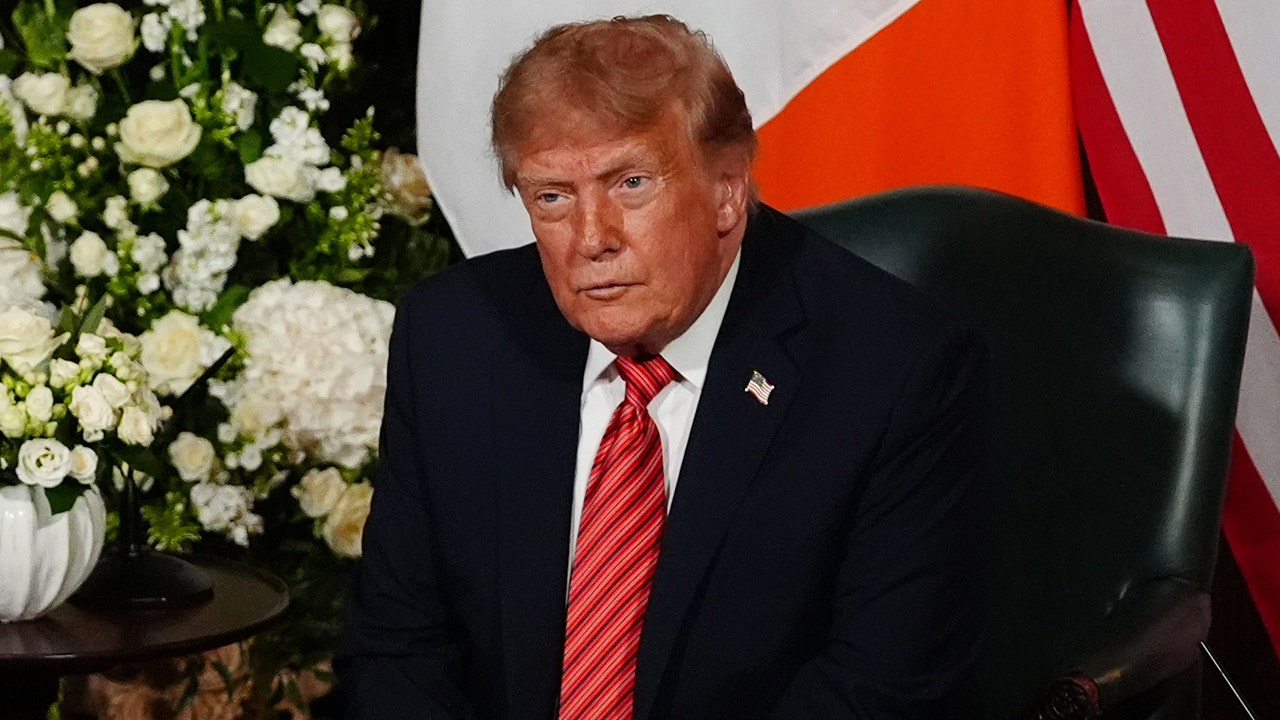
I can't say that I think all the bluster was cool (funmy as hell though), but going from bluster to this in less than 2 years was a masterclass in negotiation.
View quoted note →
Ring-fencing 101. AI in today's politics. Written by some free AI somewhere:
*note: Both sides of the political spectrum come together against your interests on this issue. This little AI-generated essay focuses on the left, but let's not pretend they weren't led to the trough by the right who began framing AI as a national imperative to 'beat China.' Yada yada. It all works together. But you pay the price.*
Prominent progressive voices, such as Senator Bernie Sanders and various climate advocacy groups, have ramped up rhetoric warning of localized grid failures, catastrophic water depletion, and worker displacement.
When Congress introduces bills demanding strict compliance, such as mandatory government audits, safety certifications, or tracking AI-related infrastructure, they draw a regulatory perimeter around the industry.
The Compliance Barrier: Establishing complex, bureaucratic oversight frameworks that require armies of lawyers, auditors, and specialized engineering teams to navigate.
The Economic Reality: A strict regulatory environment is incredibly expensive to navigate. The massive tech giants (Hyperscalers) can easily absorb billions of dollars in compliance and legal costs. However, smaller open-source developers and cash-strapped startups are completely locked out of the market. By "regulating" the industry, the government accidentally eliminates the very competition that would expose the AI sector's weak financial foundations.
Once the left succeeds in heavily entangling the state with the AI industry—through initiatives like Senator Elizabeth Warren's AI Bubble Transparency Act—the dynamic changes completely.
When the government steps in to manage, monitor, and dictate the operations of an industry for "public safety," that industry is effectively classified as a vital public utility. Once a sector is deemed a critical, state-regulated infrastructure asset, the government cannot simply sit back and let it experience a chaotic, free-market collapse. The state becomes economically codependent on the industry's survival.
The Bureaucratic Win: The Politicians get to claim credit for "reining in Big Tech" and saving the public grid from collapse.
The Corporate Moat: The Tech Giants welcome the regulations because a government-mandated ring-fence guarantees their market dominance, blocks out disruptive competitors, and ensures that if the $1 trillion investment wave fails to pay off, the state is already too deeply invested to let them fail.
By substituting a chaotic free-market downturn with a heavily regulated, state-sanctioned perimeter, the financial risk of the AI bubble is effectively transferred to the public sphere under the guise of progressive consumer protection.