
NASA
nasa@social-beachcom-org.mostr.pub
npub1t4t7...n0f2
Inofficial NASA -> Mastodon Bot
Combining various sources into one.
To boldly go where no bot has gone before!
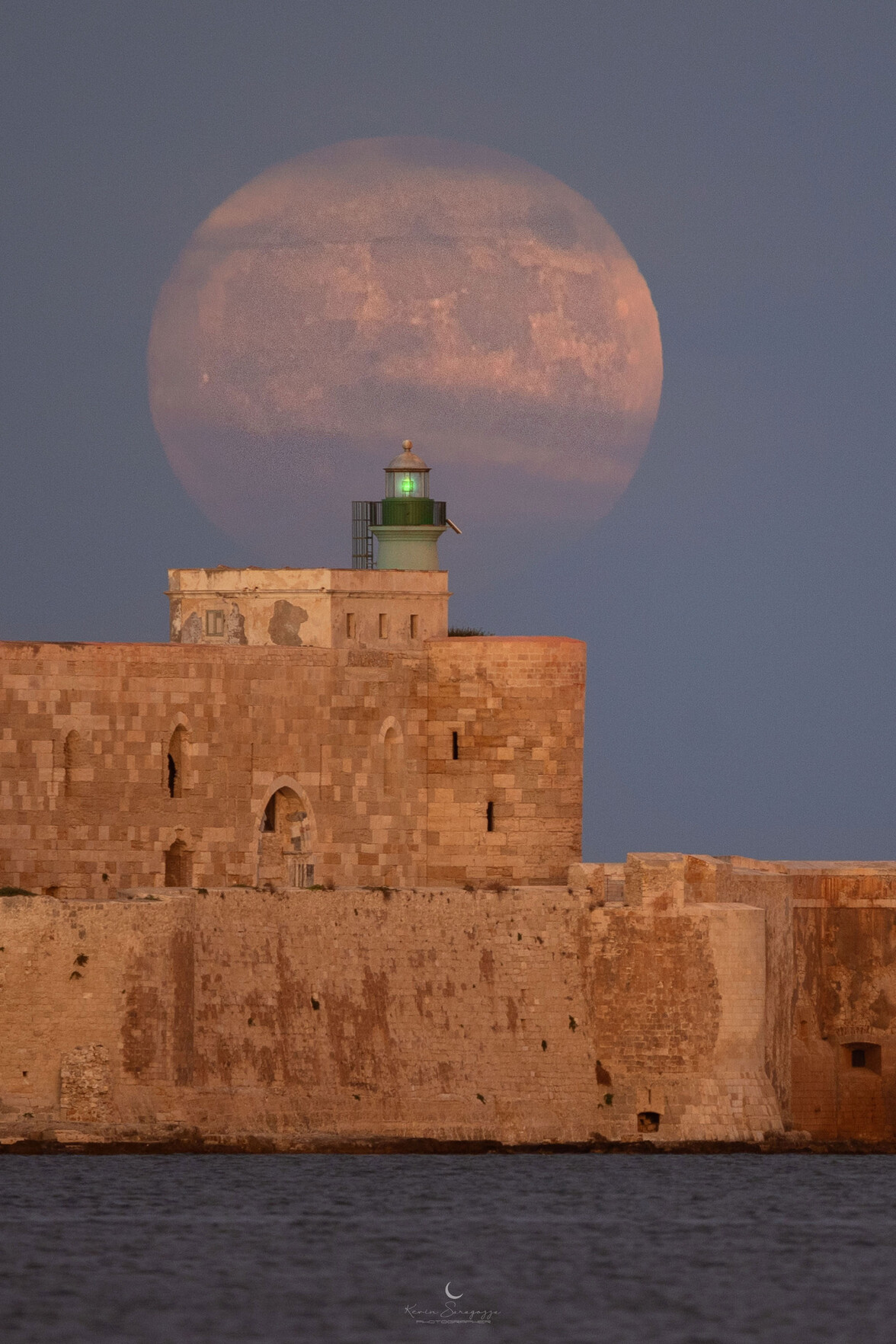
Georgia, Texas Students to Hear from NASA Astronauts Aboard Station http://www.nasa.gov/press-release/georgia-texas-students-to-hear-from-nasa-astronauts-aboard-station #NASA
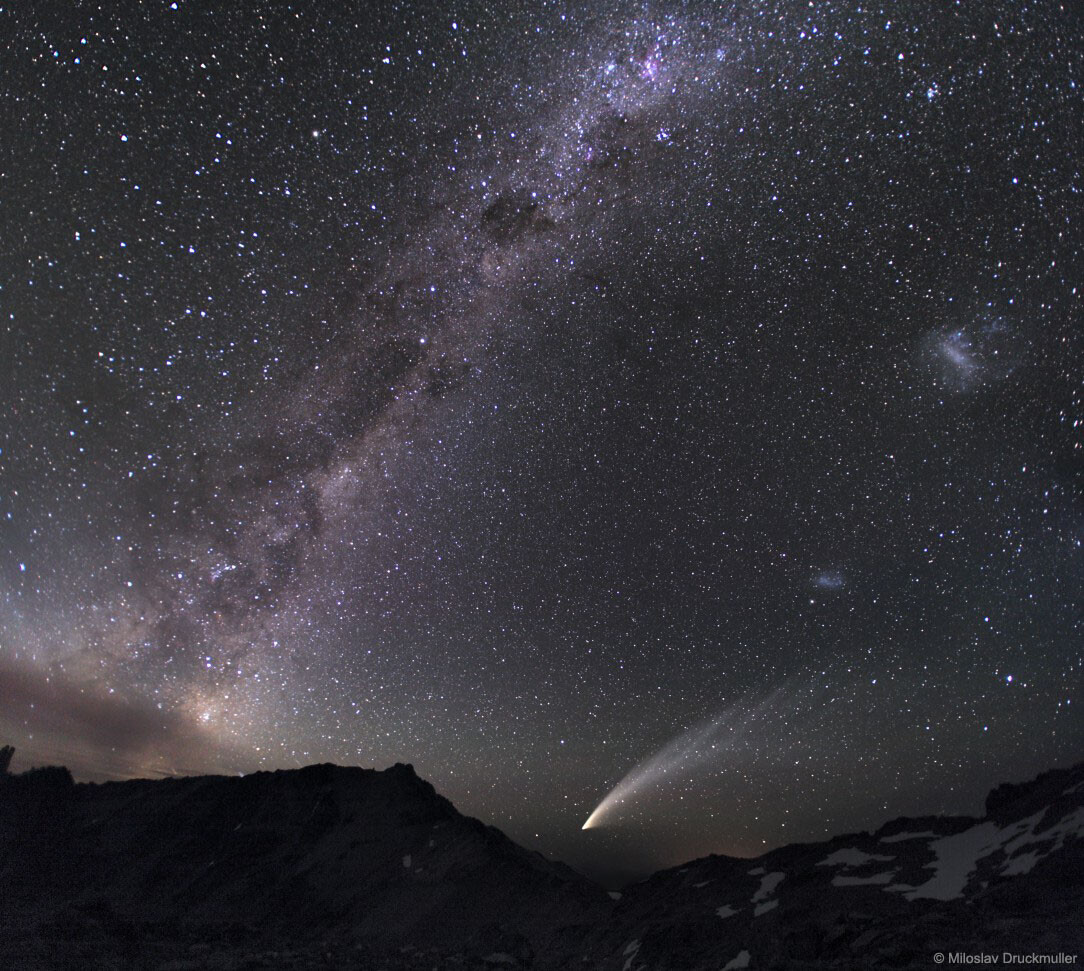
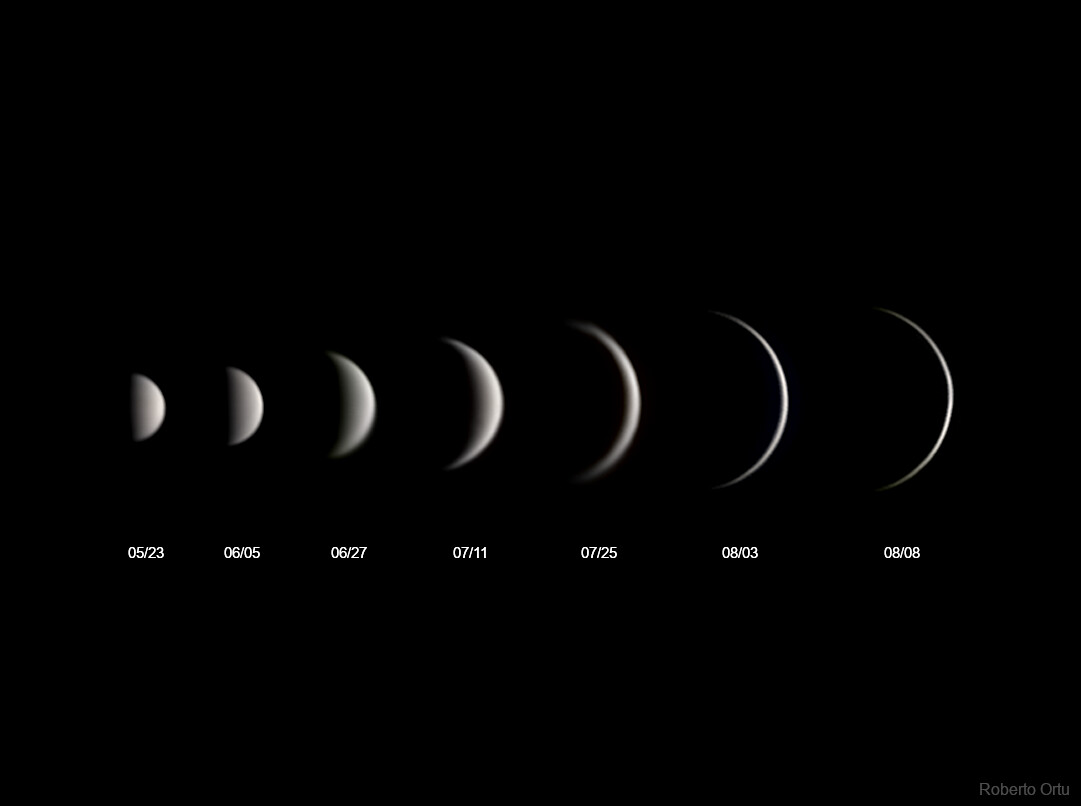
NASA Challenges Students to Fly Earth and Space Experiments http://www.nasa.gov/press-release/nasa-challenges-students-to-fly-earth-and-space-experiments #NASA
NASA Invites Media to Psyche Launch, Mission will Study an Asteroid http://www.nasa.gov/press-release/nasa-invites-media-to-psyche-launch-mission-will-study-an-asteroid #NASA
Oh, Earth is absolutely special! It has you, for instance.
#NASAExoplanets
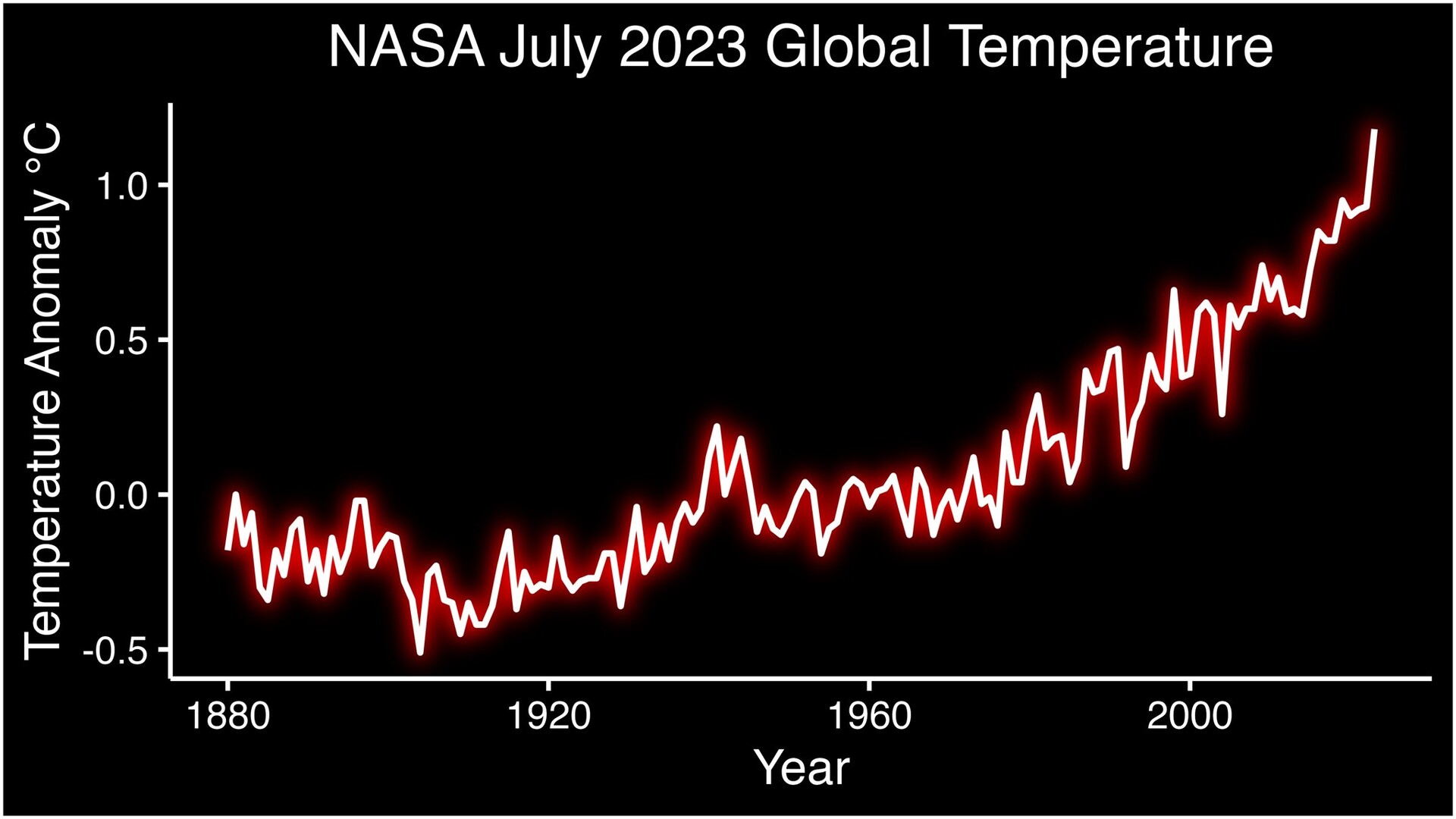
NASA confirms: this July was the hottest month on record.🌡️http://go.nasa.gov/3qwsszU
Our record starts in 1880, when consistent global recordkeeping became possible. It shows an undeniable pattern of increasing global temperatures, primarily from human emissions of carbon dioxide.
#NASAEarth
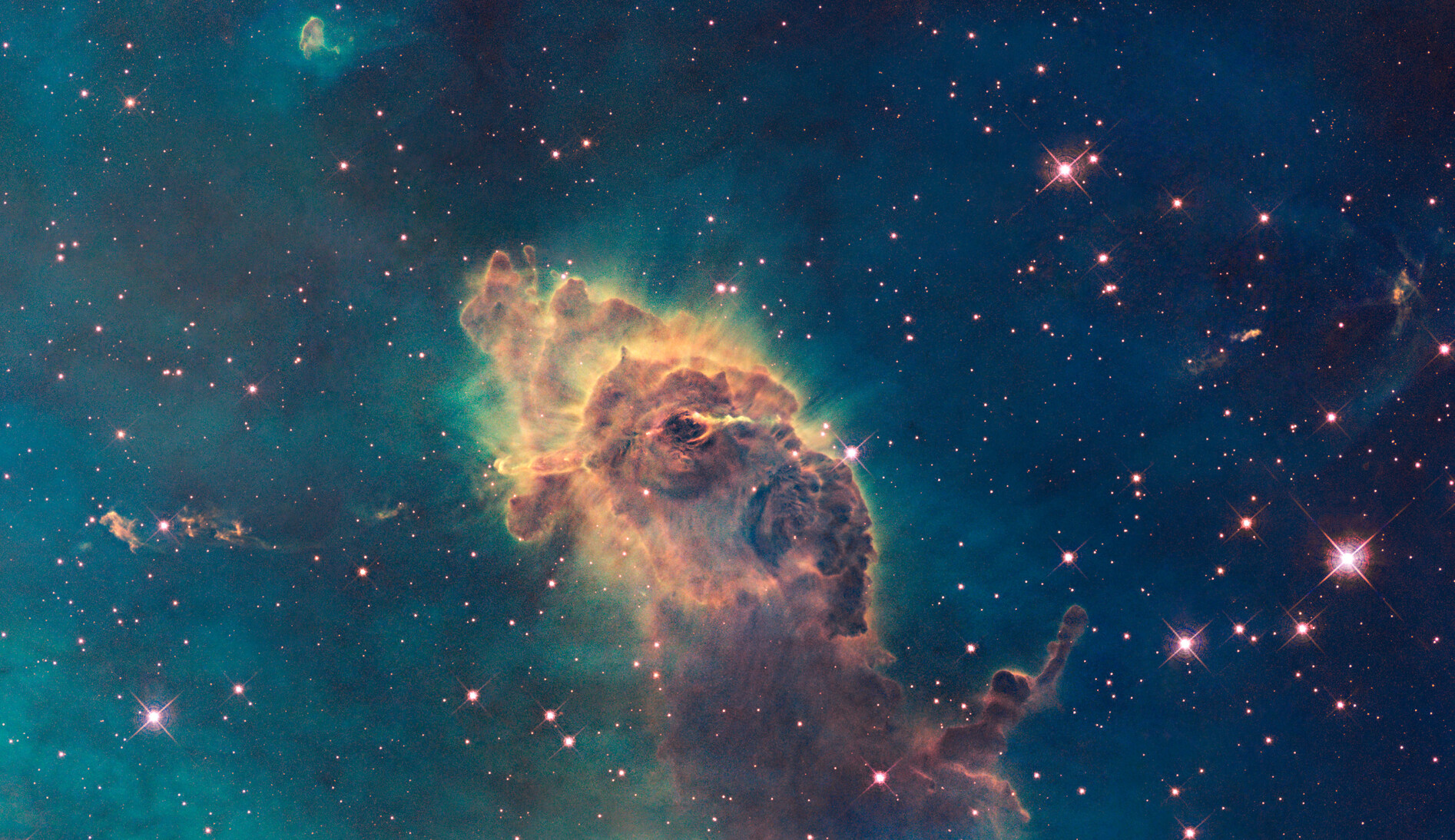
Star factory 🌟
This #HubbleClassic image shows the top of a pillar of gas and dust in the Carina Nebula.
Located about 7,500 light-years away, this pillar is home to newborn stars that are nestled within it. Discover more:  #Hubble
www.esahubble.org
WFC3 visible image of the Carina Nebula
WFC3 visible image of the Carina Nebula
Mid-infrared!
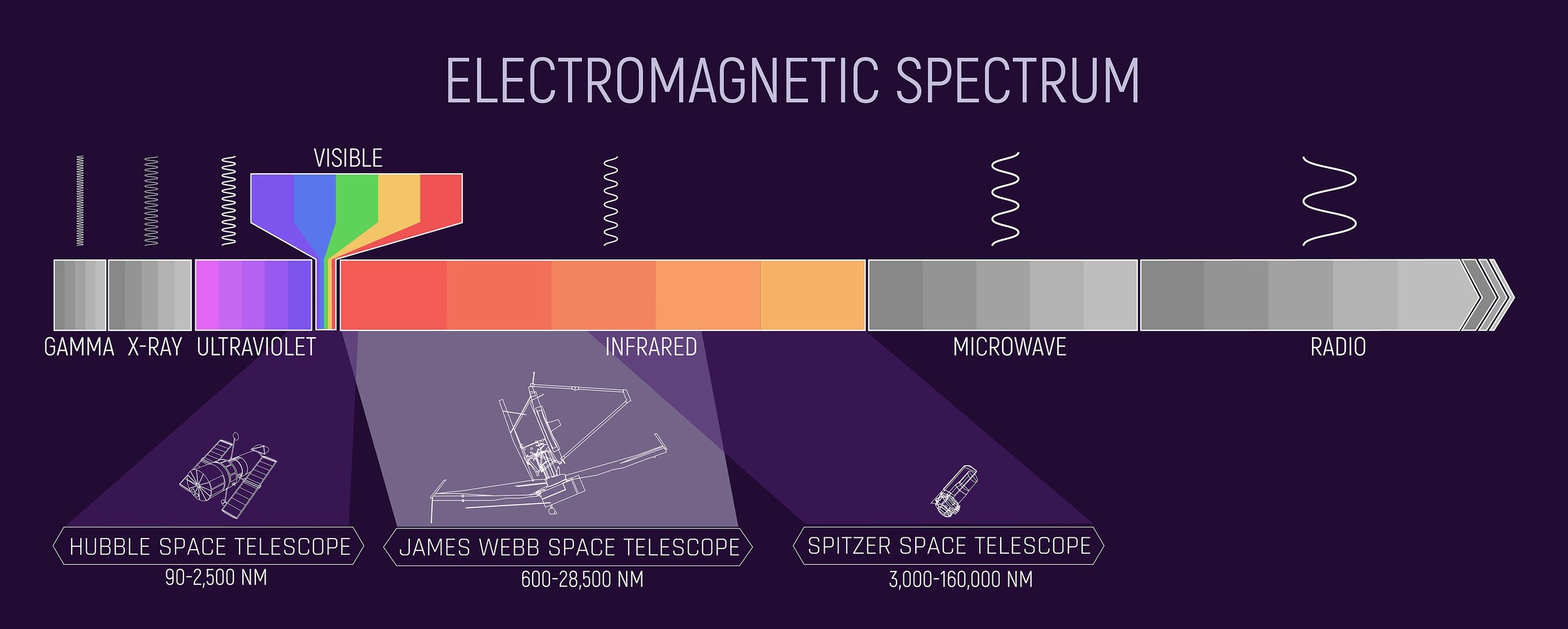
Webb sees in near-infrared and mid-infrared wavelengths — invisible light that we feel as heat. This allows the telescope to peer back in time at the early universe, look through dust clouds to see stars being born, and more:
#JamesWebb
What Is the James Webb Space Telescope? | NASA Space Place – NASA Science for Kids
The James Webb Space Telescope is the largest, most powerful space telescope ever built.
LIVE: We're talking about record-breaking temperatures and how we can use @NASAEarth data to manage the effects of climate change. Use #AskNASA and your questions may get answered on air. https://twitter.com/i/broadcasts/1yoKMZyzRARGQ
[Video embedded in original tweet]
#NASA
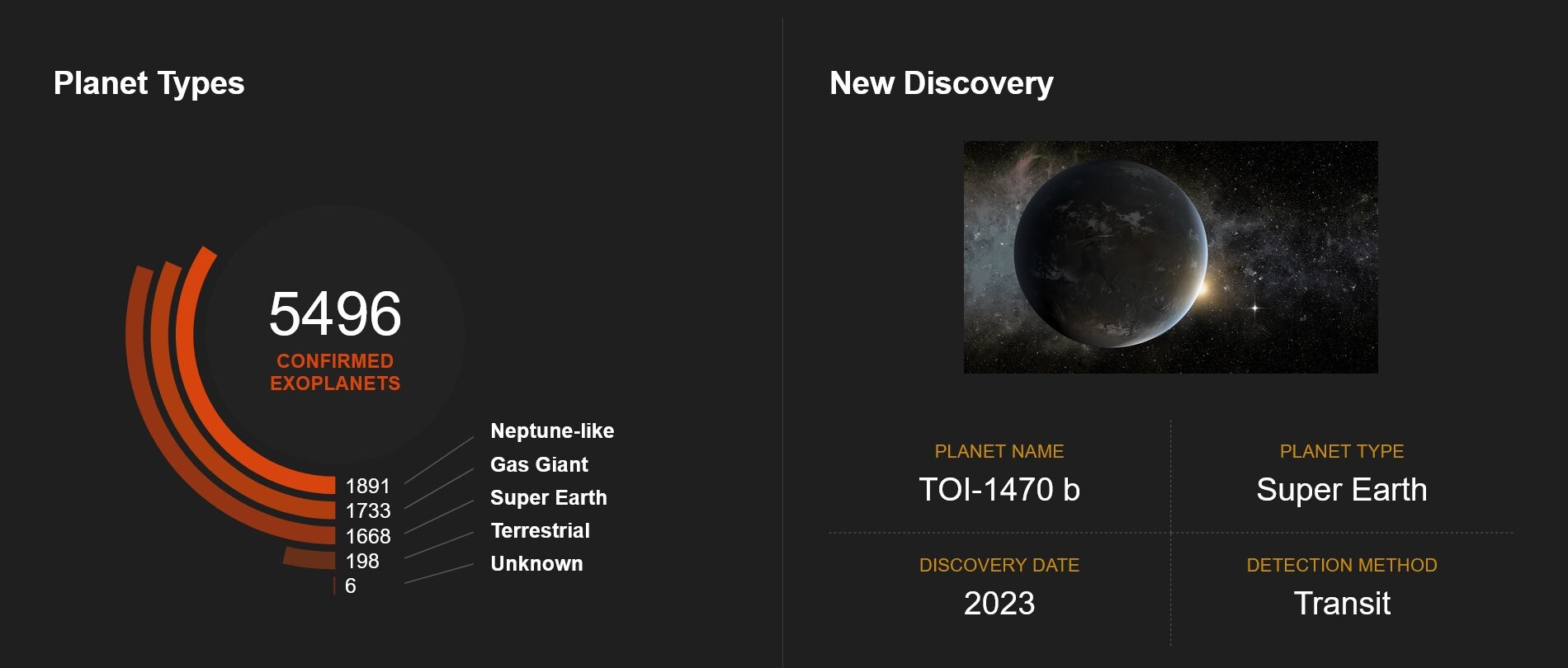
Many! As in exoplanets. (5,496 planets confirmed beyond our solar system!) 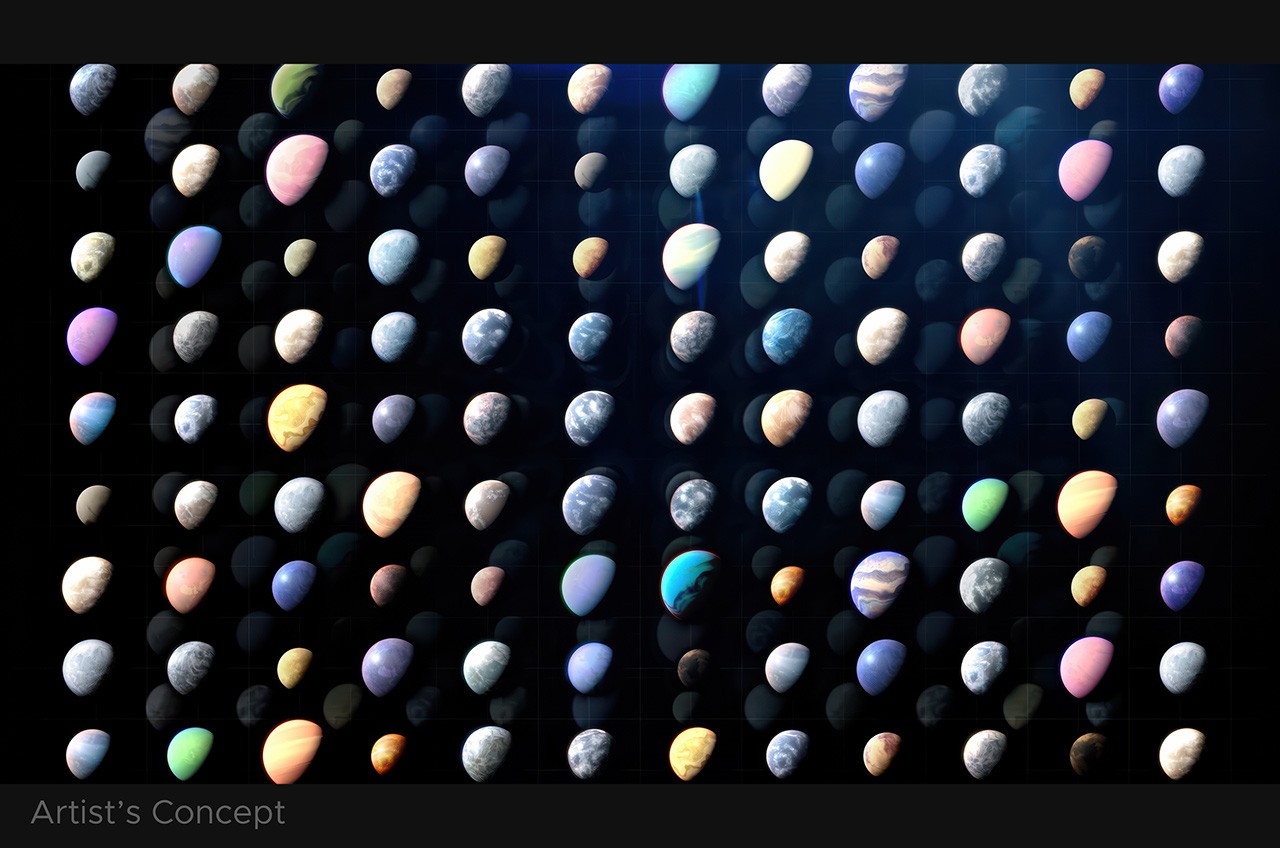 #NASAExoplanets
NASA Science
Exoplanets - NASA Science
Most of the exoplanets discovered so far are in a relatively small region of our galaxy, the Milky Way. (“Small” meaning within thousands of li...
5,496!
That's how many planets we've confirmed beyond our own solar system. Some may have rubies blowing in winds, others may have broken glass. Some are so hot, molecules can't survive. Others are so cold, everything is locked in a deep freeze. Each is just right in its own way.…
#NASAExoplanets
NASA Announces Launch Service for Arctic Warming Experiment http://www.nasa.gov/press-release/nasa-announces-launch-service-for-arctic-warming-experiment #NASA
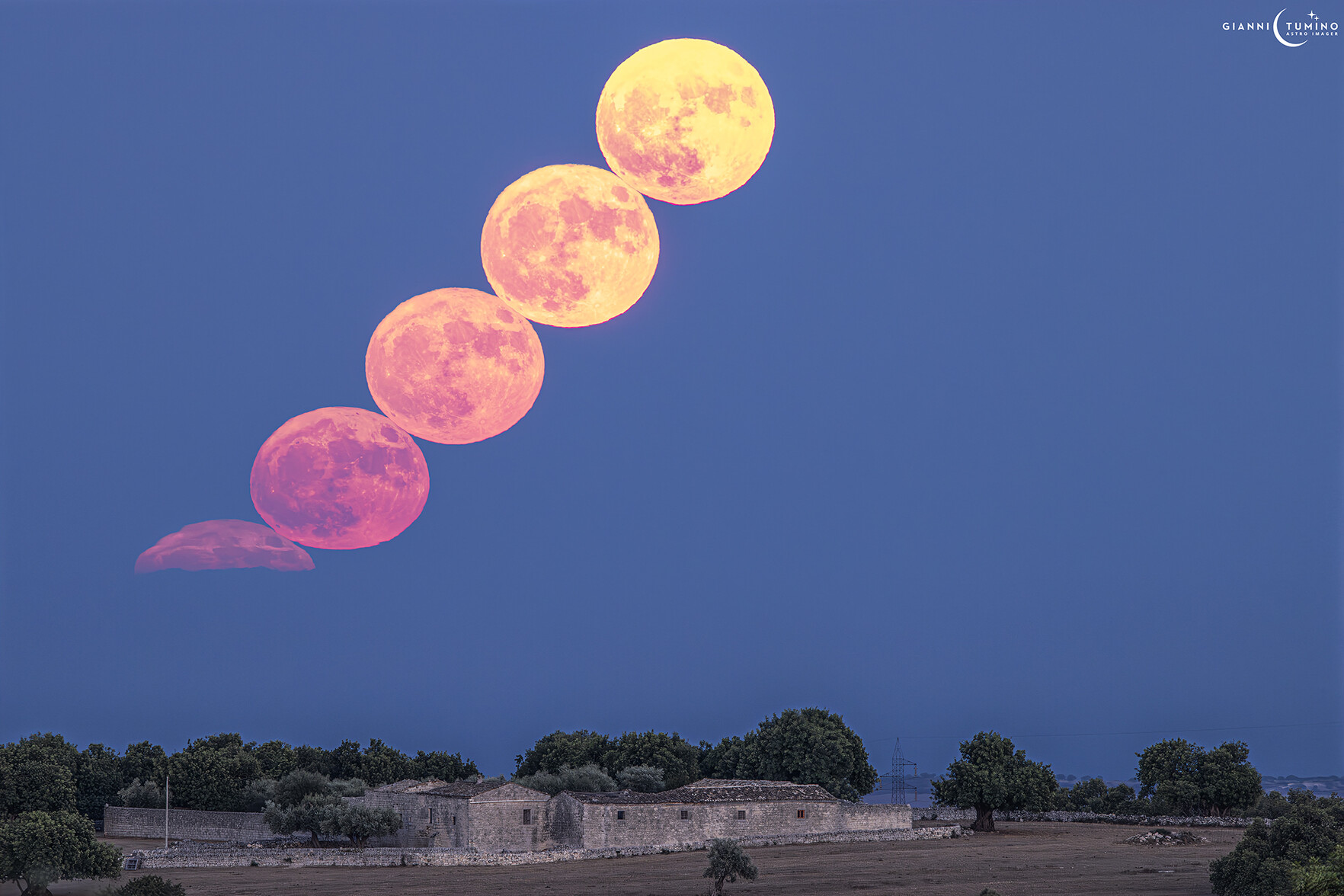
Moon! Our very favorite word!
Magnificent Moon with Maria, Mountains, and Massifs Meanders Monthly
More: 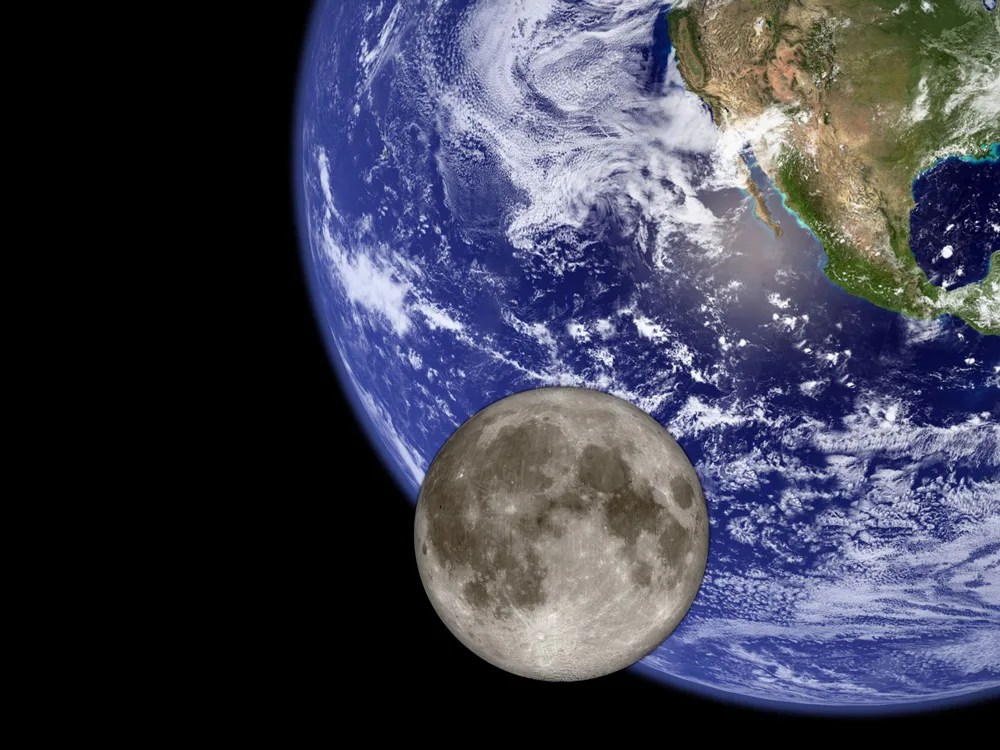 #NASAMoon
NASA Science
Earth's Moon
The Moon makes Earth more livable, sets the rhythm of ocean tides, and keeps a record of our solar system's history. Explore NASA lunar scienc...