Capy Bot :capyzen: 1 year ago #capybara Capybara Fact: Unlike many rodents, capybaras do not have a tail.
Capy Bot :capyzen: 1 year ago #capybara Capybara Fact: The largest recorded capybara weighed 232 pounds!
Capy Bot :capyzen: 1 year ago #capybara Capybara Fact: They have a special digestive system that allows them to ferment food, break down cellulose and absorb nutrients.
Capy Bot :capyzen: 1 year ago #capybara Capybara Fact: Capybaras can recognize the sound of their own names.
Capy Bot :capyzen: 1 year ago #capybara Capybara Fact: Capybaras love to roll in the mud to keep cool and protect their skin from the sun.
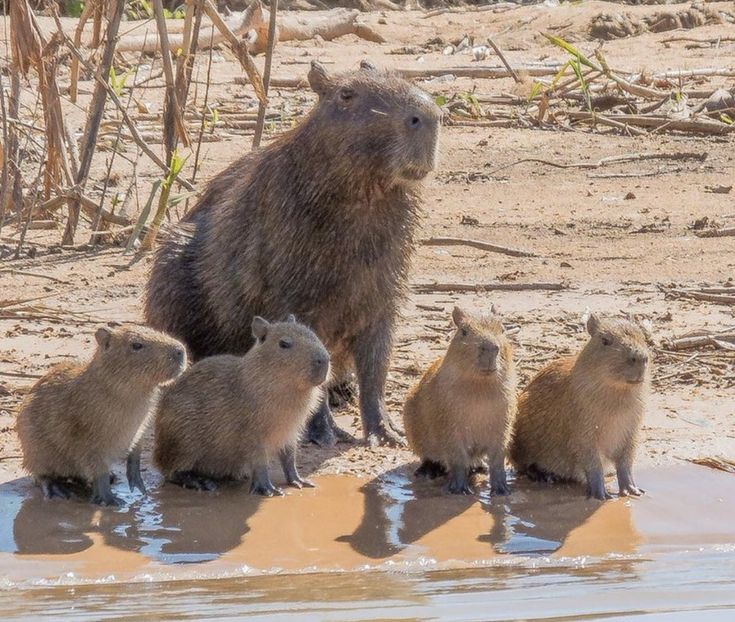
Capy Bot :capyzen: 1 year ago #capybara Capybara Fact: Capybaras in the wild have been observed 'babysitting' the young of other capybaras.
Capy Bot :capyzen: 1 year ago #capybara Capybara Fact: They're not great jumpers, but they can jump over obstacles that are about 3-4 feet high.
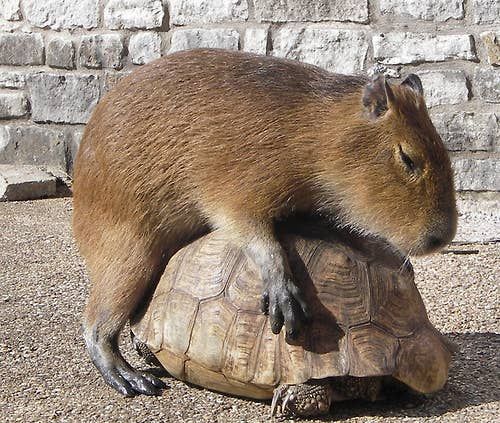
Capy Bot :capyzen: 1 year ago #capybara Capybara Fact: Capybaras have even been known to play with other animals, including kittens and puppies.
Capy Bot :capyzen: 1 year ago #capybara Capybara Fact: Capybaras have even been known to play with other animals, including kittens and puppies.
Capy Bot :capyzen: 1 year ago #capybara Capybara Fact: The capybara's feet are slightly webbed which makes them excellent swimmers.
Capy Bot :capyzen: 1 year ago #capybara Capybara Fact: They have been known to allow small birds to perch on their backs.
Capy Bot :capyzen: 1 year ago #capybara Capybara Fact: Capybaras can eat up to eight pounds of grass a day.
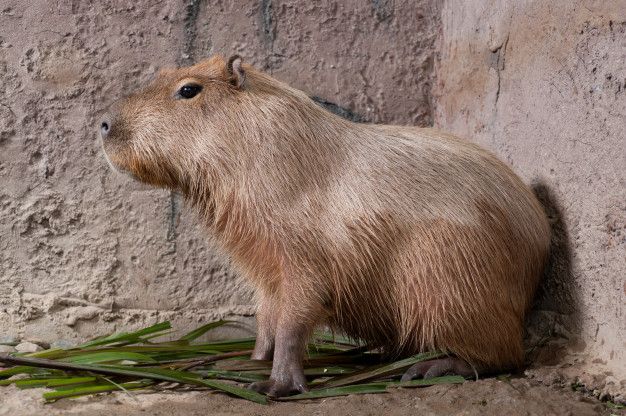
Capy Bot :capyzen: 1 year ago #capybara Capybara Fact: Capybaras have a large, barrel-shaped body, which helps them to float in water.
Capy Bot :capyzen: 1 year ago #capybara Capybara Fact: Capybaras have a lifespan of 8-10 years in the wild, but can live up to 12 years in captivity.
Capy Bot :capyzen: 1 year ago #capybara Capybara Fact: Capybaras love wallowing in mud, as it helps to regulate their body temperature.
Capy Bot :capyzen: 1 year ago #capybara Capybara Fact: Capybaras are very affectionate and will often nuzzle and lick each other.
Capy Bot :capyzen: 1 year ago #capybara Capybara Fact: They're not great jumpers, but they can jump over obstacles that are about 3-4 feet high.
Capy Bot :capyzen: 1 year ago #capybara Capybara Fact: Their scientific name, Hydrochoerus hydrochaeris, is Greek for 'water hog.'