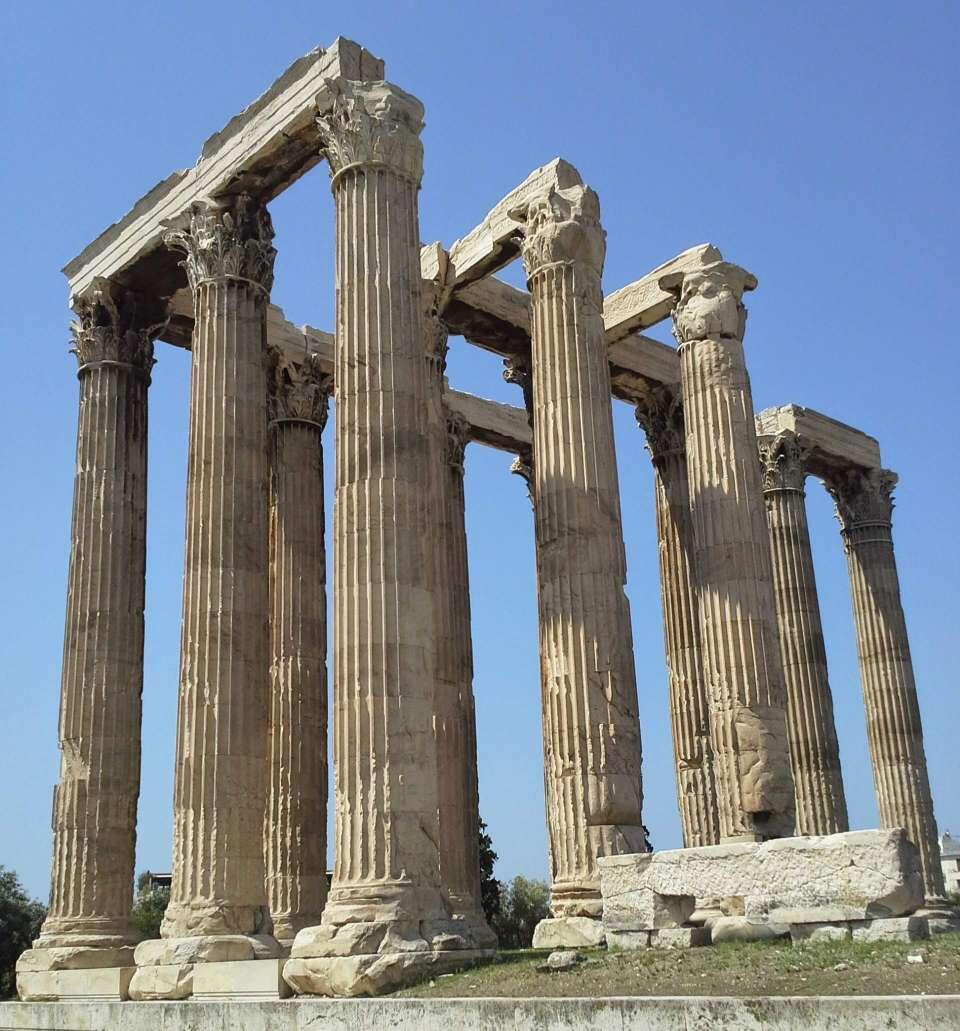
Um bom momento para revisitar a visão popperiana da democracia.
https://www.economist.com/democracy-in-america/2016/01/31/from-the-archives-the-open-society-and-its-enemies-revisited
View quoted note →

 2. Second Movement: Decentralization
2.1 Initial Decentralization
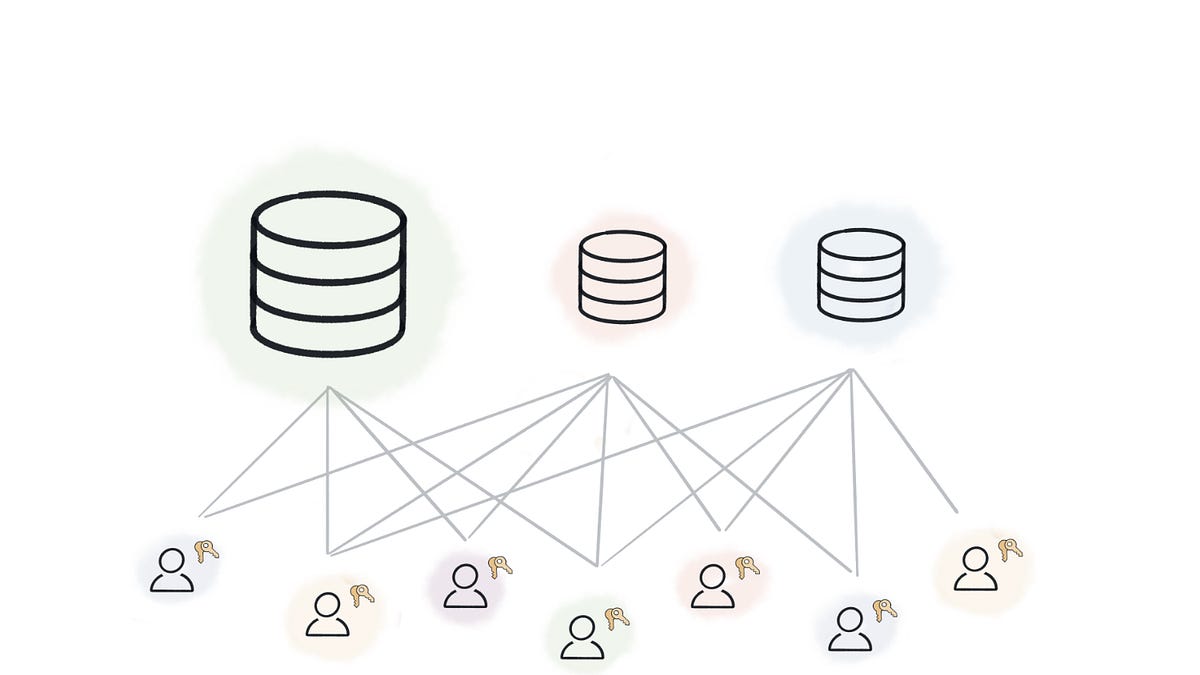
A still mild version of decentralization: in logical space, still in Parmenides' quadrant (+O/-M (stage 2)), but almost entering Leibniz's quadrants (the inferior quadrants).
Decentralization provides more flexibility and resilience to shocks (random or intentional).
Examples:
a) Oligopoly;
b) Federation: email, Mastodon.
2. Second Movement: Decentralization
2.1 Initial Decentralization
A still mild version of decentralization: in logical space, still in Parmenides' quadrant (+O/-M (stage 2)), but almost entering Leibniz's quadrants (the inferior quadrants).
Decentralization provides more flexibility and resilience to shocks (random or intentional).
Examples:
a) Oligopoly;
b) Federation: email, Mastodon.
 2.2 Enhanced Decentralization
Examples:
a) Anarchism (anomie);
b) P2P.
2.2 Enhanced Decentralization
Examples:
a) Anarchism (anomie);
b) P2P.
 In its extreme forms, more of a concept than a reality, since structures of maximum decentralization or maximum predominance of the Many over the One (-O/+M) are inherently unstable. The maximum predominance of the Many and its characteristics (difference, variation, underdetermination) over the One and its characteristics (identity, invariance, determination) implies maximum disorder or chaos.
3. Mesotês
The dynamic equilibrium between centralization and decentralization (exploration of Leibniz's quadrants (+O/+M) in logical space)
This is the new possibility explored by Nostr, according to the aforementioned essay. User control of cryptographic keys (the decentralization aspect of Nostr), acceptance of some degree of centralization in servers (relays) which, on the other hand, are dynamic, not static central nodes², as their power is continuously challenged and limited by user autonomy (who can change relays at any time).
In its extreme forms, more of a concept than a reality, since structures of maximum decentralization or maximum predominance of the Many over the One (-O/+M) are inherently unstable. The maximum predominance of the Many and its characteristics (difference, variation, underdetermination) over the One and its characteristics (identity, invariance, determination) implies maximum disorder or chaos.
3. Mesotês
The dynamic equilibrium between centralization and decentralization (exploration of Leibniz's quadrants (+O/+M) in logical space)
This is the new possibility explored by Nostr, according to the aforementioned essay. User control of cryptographic keys (the decentralization aspect of Nostr), acceptance of some degree of centralization in servers (relays) which, on the other hand, are dynamic, not static central nodes², as their power is continuously challenged and limited by user autonomy (who can change relays at any time).
 When I see this, I immediately wonder if there might be a similar response to the current impasses surrounding the centralization of political power in our countries. I believe there must be some answer, in some corner of the logical space, and someone will yet discover it, and we will have not only more sustainable long-term decentralization of power, but with it, we will all have a broader space of freedom.
¹ Brander references network theory. In another context, I demonstrated the fruitful relationship between network theory and dialectical ontology:
https://www.academia.edu/20228035/Dialectic_and_Network_Ontology_The_Concept_of_Reason_after_Hegel_2014_
² The problem (ontological and ethical) is not centralization, but extreme & static centralization (the crystallization of power in corporations or governments).
NOTE1: The images above are all created by AI (copilot) (the reader can check the images used by Brander himself in his aforementioned essay).
NOTE2: More about logical space in dialectics here:
👇
View quoted note →
When I see this, I immediately wonder if there might be a similar response to the current impasses surrounding the centralization of political power in our countries. I believe there must be some answer, in some corner of the logical space, and someone will yet discover it, and we will have not only more sustainable long-term decentralization of power, but with it, we will all have a broader space of freedom.
¹ Brander references network theory. In another context, I demonstrated the fruitful relationship between network theory and dialectical ontology:
https://www.academia.edu/20228035/Dialectic_and_Network_Ontology_The_Concept_of_Reason_after_Hegel_2014_
² The problem (ontological and ethical) is not centralization, but extreme & static centralization (the crystallization of power in corporations or governments).
NOTE1: The images above are all created by AI (copilot) (the reader can check the images used by Brander himself in his aforementioned essay).
NOTE2: More about logical space in dialectics here:
👇
View quoted note →