Every politician should be compelled to hold only the currency they advocate, creating a direct alignment between their personal financial stability and the economic policies they enact. Since they currently champion the USD fiat currency, they should be required to hold a substantial portion of their wealth in USD, relying on it as their primary store of value. This would anchor their incentives to the realities faced by citizens who depend on the same currency, making them personally accountable to its stability and purchasing power. When they’re subject to the same inflationary pressures and market fluctuations as the public, they’d have a vested interest in policies that genuinely support the dollar’s long-term value, potentially curbing irresponsible monetary policies and excessive national debt.
Not even the Fed, the source of the USD, holds any USD. 😃

Cash is inherently more secure and private than digital transactions, especially regarding personal privacy, traceability, and straightforwardness in transactions. Cash is a direct exchange, unencumbered by third parties, electronic records, or potential data breaches, which makes it unique in terms of security and integrity as a transactional medium.
With the increasing refusal of cash, there’s a concerning shift in the control of personal finances, where people are increasingly forced into traceable, centralized systems. This shift can lead to the erosion of cash’s most fundamental qualities—its privacy and autonomy in financial exchanges. Additionally, the gradual decline in cash usage diminishes the currency's perceived stability and independence, both of which are core attributes people historically associate with "honest" money.
This shift could indeed accelerate the devaluation of fiat money, as it gradually becomes a less universal and less versatile medium of exchange, particularly if it loses its most unique benefits. And with more people exploring alternatives like Bitcoin, which, unlike fiat, emphasizes decentralization and digital scarcity, fiat’s limitations in fostering true financial autonomy become even clearer.
Bitcoin's like a long-term relationship—it’s taken me through highs and lows, and we’ve both had to grow. Just like building muscle, the pain of sticking with it only makes you stronger. The commitment, the patience, and even the tough days lead to a future that flexes hard. Because with trust in the process, the gains aren’t just financial—they’re part of something deeper.
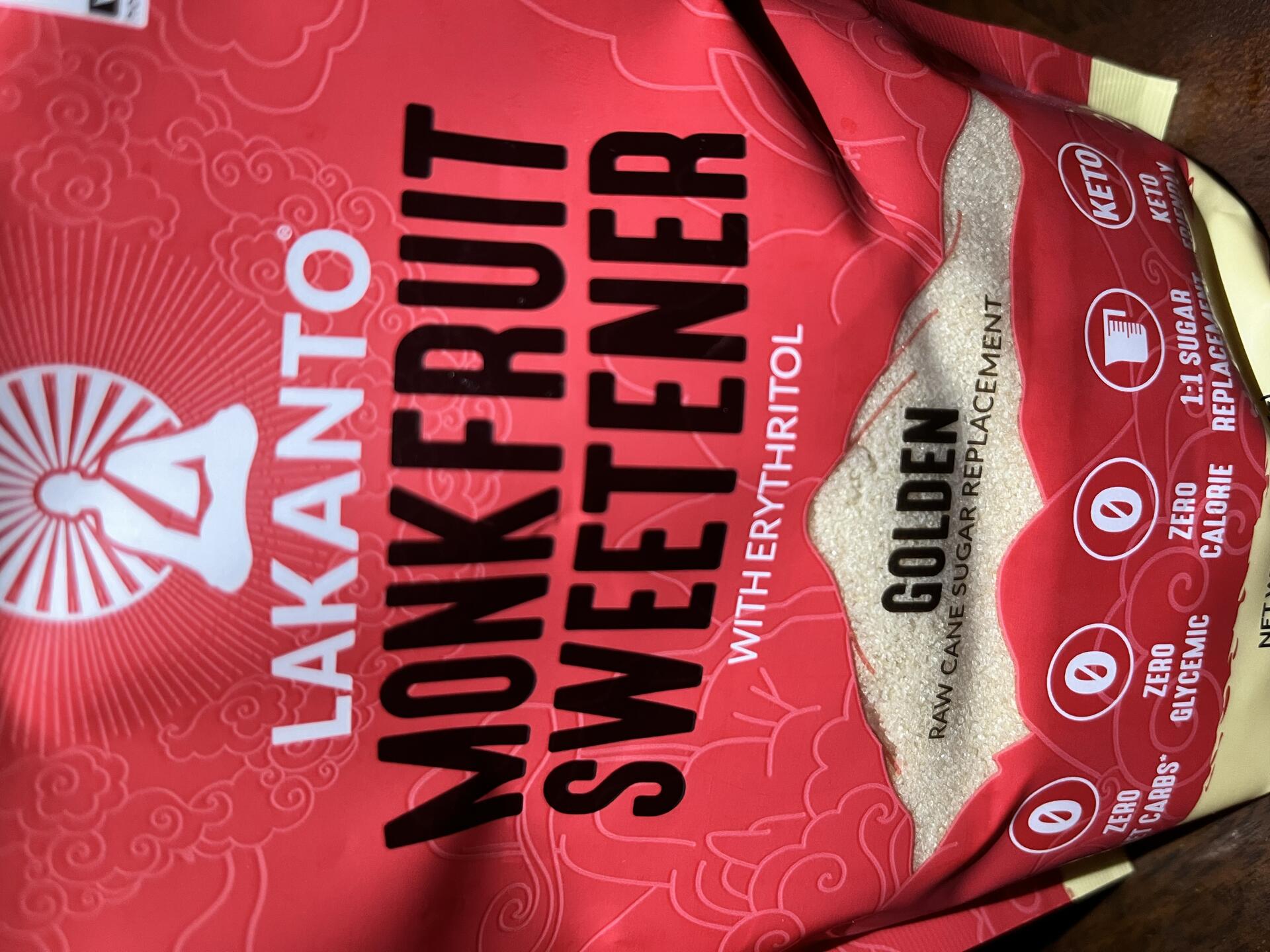
Monk fruit sweetener, also known as Lakanto, is made from the fruit of the Siraitia grosvenorii plant, native to Asia. It's a zero-calorie sweetener that's 150-200 times sweeter than sugar, making it an excellent alternative for those looking to reduce their sugar intake or manage blood sugar levels.
Here are some potential health benefits associated with Monk fruit sweetener:
Low Glycemic Index: Monk fruit sweetener doesn't raise blood glucose levels, making it suitable for individuals with diabetes or those who want to maintain stable blood sugar levels.
Natural Energy Source: Unlike artificial sweeteners, Monk fruit sweetener is a natural energy source that provides a boost without the crash or jitters often experienced with refined sugars.
Antioxidant Properties: The fruit used to make Monk fruit sweetener contains antioxidants that can help protect against oxidative stress and inflammation in the body.
Anti-Inflammatory Effects: Some studies suggest that the compounds found in Monk fruit sweetener may have anti-inflammatory properties, which could contribute to overall health and well-being.
May Help Manage Blood Pressure: Regular consumption of Monk fruit sweetener has been linked to improved blood pressure management in some studies, possibly due to its antioxidant and anti-inflammatory effects.
Supports Healthy Gut Bacteria: The prebiotic fiber present in the fruit may help promote a healthy gut microbiome, which is essential for immune function, digestion, and overall well-being.
May Help Reduce Cancer Risk: Research has shown that the antioxidants and other bioactive compounds found in Monk fruit sweetener may have anti-cancer properties, although more human studies are needed to confirm this.
Can Help with Weight Management: As a zero-calorie sweetener, Monk fruit sweetener can be an excellent alternative for those looking to reduce sugar intake and maintain a healthy weight.
I was recently asked why VPN is so important to me.
Imagine driving around town every day with a sign on your car that displays your home address for everyone to see. Without a VPN, your online activities are similarly exposed, allowing anyone—whether it's your internet service provider, hackers, or advertisers—to track your digital footprint. A VPN acts like removing that sign and tinting your car windows, keeping your personal information private and secure, so only you know where you're going and what you're doing online.
Thank you Mempool!
This release features integration with our new Mempool Accelerator™ service to help you get your stuck Bitcoin transactions confirmed quickly.
You can now submit accceleration requests directly to mempool.space from your own self-hosted instance of The Mempool Open Source Project®
Be your own explorer™ and self-host mempool on your own hardware, but remember: if your transaction gets stuck, Mempool Accelerator™ fixes this.
When I earn Bitcoin, it feels different—like it's a part of me. It’s more than just currency; it reflects my true stored time and energy, always mirroring the value I’ve created.
Imagine not being able to shake hands directly with someone, but instead having to shake a third party’s hand, who then shakes the other person’s hand on your behalf. Sound familiar? That's the essence of the fiat system.
Transitioning to pricing goods and services directly in Bitcoin, while sidelining the fiat system, can begin with a few key steps:
1. **Establish Local Markets:** Start by setting up local communities or businesses that accept Bitcoin exclusively, encouraging direct peer-to-peer transactions.
2. **Education:** Teach vendors and customers about Bitcoin's value and how to use wallets and exchanges, reinforcing trust in the system.
3. **Bitcoin-Based Pricing Models:** Develop pricing models based on Bitcoin’s value, adjusted regularly to reflect market conditions, minimizing fiat reference.
4. **Incentivize Usage:** Offer discounts or benefits for those who pay in Bitcoin, driving adoption.
5. **Create a Domino Effect:** Once a critical mass of businesses and consumers adopt Bitcoin pricing, others will follow, creating a network effect where Bitcoin becomes the preferred standard.
By slowly building these systems and fostering community adoption, a domino effect can begin, gradually moving more economic activity into the Bitcoin economy and reducing reliance on fiat currency.
It's disheartening to witness mainstream media accepting counterfeited currency to present news that aligns with the agenda of those who control the flow of fiat money. This compromises journalistic integrity and contributes to a distorted narrative, all in exchange for financial rewards that lack genuine value. The cycle perpetuates misinformation and prevents the public from receiving unbiased, truthful reporting.
The tradition of gifting jerseys or other symbols to presidents and high-ranking officials often stems from longstanding customs rather than an endorsement of their actions. However, as awareness grows about the impact of dishonest governance, it's understandable to question these practices. Treating elected officials based on their merits, especially when it comes to ethical and moral behavior, is a powerful step towards accountability. It would send a strong message that integrity and transparency are more important than titles or positions, fostering a culture where leaders are truly held to account for their actions.
Decentralized regulation can be a thing, and it's a concept that aligns well with the principles of decentralization seen in blockchain and other distributed technologies. Here's how it can be implemented:
1. **Blockchain Technology**: Utilize blockchain to create a transparent, immutable ledger where regulations and compliance actions are recorded. Smart contracts can automate regulatory processes and ensure compliance in real-time.
2. **DAO (Decentralized Autonomous Organization)**: Establish DAOs that represent different regulatory bodies. These DAOs can have members from various sectors, including industry experts, consumers, and technologists, who can vote on regulatory changes and enforcement actions.
3. **Token-Based Voting**: Implement token-based voting systems where stakeholders can use tokens to vote on regulatory proposals and enforcement actions. This ensures that those affected by the regulations have a say in their creation and implementation.
4. **Decentralized Oracles**: Use decentralized oracles to provide real-world data to the blockchain. This data can be used to trigger smart contracts that enforce regulations based on real-time information.
5. **Peer-to-Peer Auditing**: Encourage a system of peer-to-peer auditing where participants in the network can audit each other. This creates a self-regulating community where trust is built through transparency and mutual oversight.
6. **Reputation Systems**: Develop reputation systems where entities are rated based on their compliance with regulations. A high reputation score can act as an incentive for entities to adhere to regulations, as it can lead to better business opportunities and trust within the community.
7. **Open Source Collaboration**: Foster open-source collaboration to continuously improve the regulatory framework. Developers and stakeholders can contribute to the code and rules that govern the decentralized regulatory system.
8. **Interoperability**: Ensure interoperability between different decentralized regulatory systems. This allows for a cohesive approach where various industries and regions can collaborate and share best practices.
In essence, decentralized regulation leverages the principles of transparency, community governance, and automation to create a system that is more adaptable, fair, and resistant to corruption compared to traditional centralized regulatory bodies.
Nation-state adoption that includes counterfeiting paper created with minimal effort to exchange for Bitcoin, created with genuine effort, will be viewed and judged by 8 billion people as unethical and immoral. How they adopt is more important than you think. Not selling their existing Bitcoin for redistribution to the public, which they seized under the claim of money laundering, is also unethical and inconsistent with how they handle other seized assets.
Trump's past actions, like those of every current candidate, have been unethical. These candidates can only promise their populace minimal effort.
Kamala Harris speaks about her vision for the populace's future. Unfortunately, she will be disappointed with the outcome, as the shift towards transparent and ethical systems like Bitcoin will expose the flaws and manipulations of the current centralized structures she supports.
## BitRide: A Decentralized Ride-Sharing Revolution
### Concept and Vision
BitRide is a decentralized ride-sharing platform inspired by the principles of Bitcoin and the spirit of Satoshi Nakamoto. Our mission is to create an ecosystem where drivers operate independently, connected through a harmonious and transparent protocol, ensuring fair earnings and reduced costs for all participants.
### Core Features
- **Decentralized Network**: BitRide operates on a decentralized protocol, eliminating the need for a central authority or intermediary. This ensures that drivers keep more of their earnings and passengers enjoy lower costs.
- **Peer-to-Peer Payments**: Utilizing Bitcoin and the Lightning Network, all transactions are fast, secure, and low-cost. Drivers receive payments directly from passengers, ensuring transparency and fairness.
- **Open-Source Platform**: BitRide is built on open-source software, allowing continuous improvement and innovation by the global community. Developers can contribute to and enhance the platform, fostering a collaborative environment.
### Development and Implementation
1. **Planning and Design**
- Define user stories and core features for both driver and passenger apps.
- Design a user-friendly interface ensuring ease of use for all participants.
2. **Decentralized Technologies**
- Leverage blockchain technology to build the core protocol.
- Utilize decentralized storage solutions (like IPFS) for data storage.
- Implement decentralized identity solutions for secure user verification.
3. **App Development**
- Develop separate apps for drivers and passengers with real-time GPS tracking, ride history, and Bitcoin payments.
- Ensure robust security measures to protect user data and transactions.
4. **Smart Contracts and Payments**
- Implement smart contracts to handle agreements and payments between drivers and passengers.
- Integrate the Lightning Network for efficient Bitcoin transactions.
5. **Community and Collaboration**
- Engage with local Bitcoin and blockchain communities to gather feedback and support.
- Promote the open-source nature of BitRide, encouraging developers to contribute to the project.
6. **Launch and Scaling**
- Start with a pilot program in a tech-savvy city or community.
- Collect feedback, make necessary improvements, and scale to larger markets.
7. **Regulatory Compliance**
- Ensure compliance with local regulations for ride-sharing and cryptocurrency transactions.
- Work collaboratively with regulators to navigate the evolving landscape of decentralized finance and ride-sharing.
### Benefits
- **For Drivers**: BitRide allows drivers to operate independently, keeping more of their earnings without paying high fees to intermediaries.
- **For Passengers**: Lower costs and transparency in transactions, with the added benefit of using Bitcoin.
- **For the Community**: A collaborative and open-source platform that evolves with the contributions of the global community.
### Conclusion
BitRide represents a revolutionary approach to ride-sharing, embodying the decentralized and ethical principles of Bitcoin. By creating an ecosystem where drivers and passengers interact directly, we ensure fairness, transparency, and efficiency. Join us in building a future where everyone benefits from the true potential of decentralized technology.
**Uber Killer: How Bitcoin Could Revolutionize Ride-Sharing**
A ride-sharing model built on Bitcoin could dramatically undercut traditional services like Uber. With Bitcoin’s decentralized nature, transaction costs would plummet, eliminating the need for expensive intermediaries. As Bitcoin's purchasing power increases over time, drivers and riders could both benefit from lower costs and higher earnings. This system, driven by transparent, peer-to-peer transactions, would create a more efficient and fair marketplace, ultimately drawing users away from centralized platforms like Uber and leading to a significant market shift.
A recent visit to a country where all drugs are legal highlighted a troubling scene of ghettos and individuals under the influence, seemingly aimed at demonstrating the failures of drug legalization. However, this view misses a crucial point: the root issue often lies within the underlying fiat monetary system, not the drug laws themselves.
In societies burdened by a flawed fiat system, economic inequality and systemic issues can exacerbate problems like drug addiction. Legalizing drugs without addressing the economic and systemic foundations may not resolve these deeper issues. Instead, it can amplify the visible consequences of a broken system.
To effectively address problems related to drug use, it’s essential to focus on systemic reform, including economic stability and equitable access to resources. The root cause of societal issues often goes beyond surface-level symptoms, necessitating a comprehensive approach to create lasting change.
**Decentralization: Empowering Local Communities and Businesses**
In a world where centralized giants like Amazon, Walmart, and major grocery chains dominate, local communities and businesses often struggle to compete. These behemoths wield immense power, controlling supply chains, prices, and market access. However, the rise of decentralization offers a transformative alternative that could shift the balance.
Decentralization empowers local communities by enabling more direct and equitable engagement in the market. With decentralized platforms and technologies, local businesses can collaborate, share resources, and connect directly with customers without intermediaries. This shift allows communities to retain more value locally, fostering innovation and personalized service that large corporations often lack.
Imagine a decentralized marketplace where local artisans, farmers, and service providers showcase their offerings directly to consumers. This setup not only supports local economies but also encourages sustainable practices and unique, high-quality products that cater to community needs.
Decentralization also means greater resilience against the disruptions that affect centralized supply chains. Local businesses can adapt more swiftly to changes, collaborate within their networks, and maintain control over their operations and customer relationships.
By embracing decentralization, local communities and businesses can thrive in ways that centralized systems often stifle. It’s a future where community values, local innovation, and equitable access redefine the marketplace, challenging the dominance of large, centralized entities and bringing a renewed vibrancy to local economies.
How many fiat bulls do you believe are breathing today from the 8 billion population?