Danie's avatar
Danie
danie@nostr.fan
npub1g2jp...yjj6
Testing out new the noStrudel web client
Danie's avatar
Danie 1 year ago
Self-Hosting Isn’t Just for Nerds Anymore—Here’s Why You Should Care “Let's face it, we use the internet for just about everything. We even use the internet for sensitive things, be that banking, sending sensitive data, or just storing our photos. With all of that, privacy is expected (and not an unreasonable request, either). However, privacy is rarely given by the companies that house all of that data, even if that means skirting the law to achieve what they want. Companies will often tout that your privacy is at their core—but is it really?” The article goes into this point as one of the driver's for self-hosting for many. It is also the reason we are seeing so many decentralised and federated social networks springing up as well. Others want to self-host to save money on expensive cloud storage costs, whilst some in South Africa do it so they have services to still enjoy when the grid is busy load-shedding. But whatever the reason, most of us start out small, and the habit keeps growing as you realise self-hosting works pretty well. I started out with one Raspberry Pi, and by the time I had my 3rd Raspberry Pi going, I realised I need to migrate to an Intel NUC, which then migrated to a Lenovo M720q. Exactly the same has happened with the storage side, and only from this month have I finally moved to a proper RAID 1 storage solution. Only last month, I finally built my first own network cabinet. Most of my YouTube videos over the last year or two have been about various solutions I have self-hosted, and been finding very useful. So, do not be intimidated by expensive looking home labs that some YouTubers show off (the flashing lights usually serve no functional purpose). Any self-hosting can start off with a Raspberry Pi and an SD card. Your next step may be to just attach an old hard drive to that Pi, and it goes from there at whatever pace works for you (in many cases, your spouse with reign you in any way). See #technology #selfhosting

Danie's avatar
Danie 1 year ago
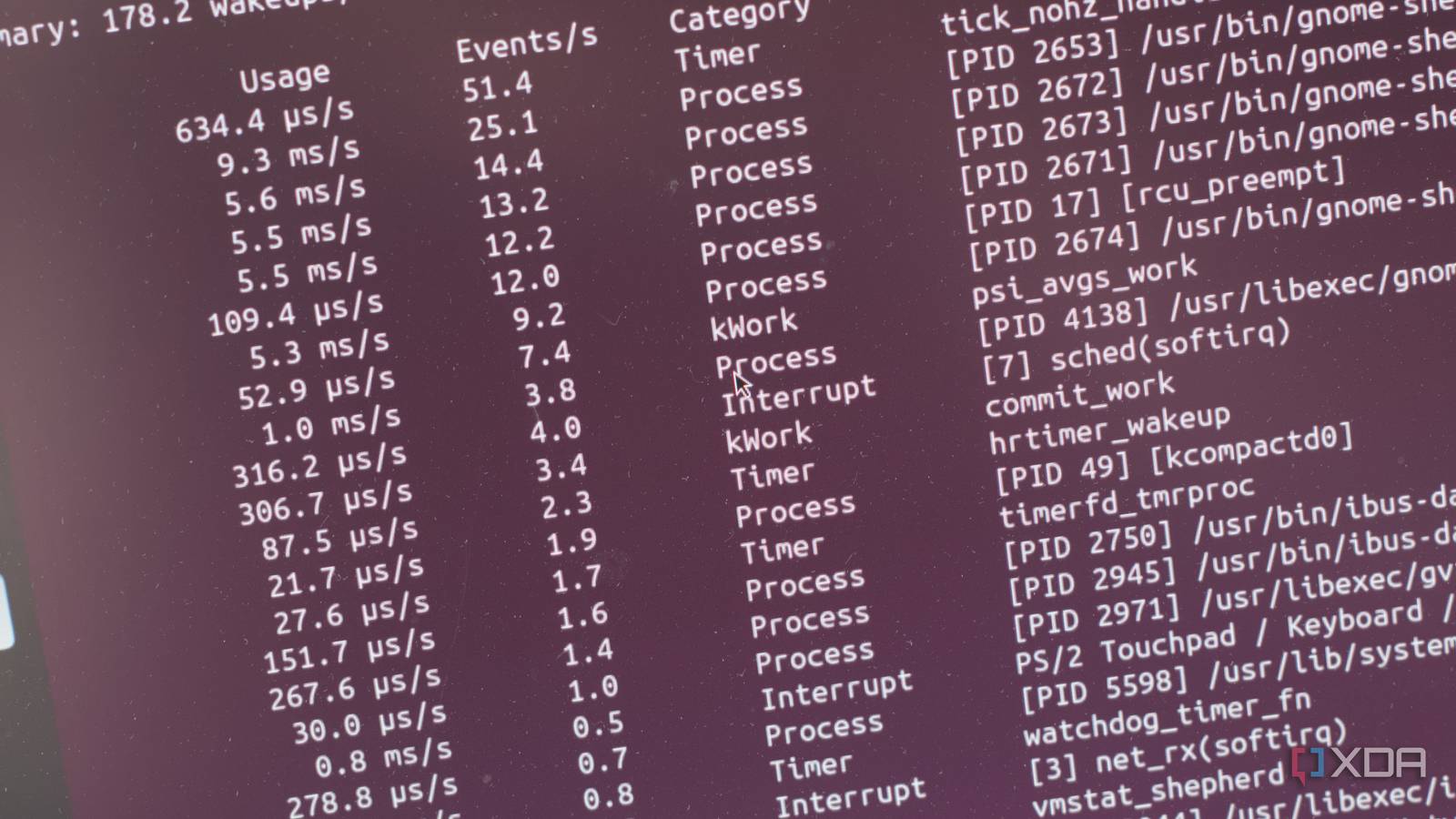
PowerTOP is a Linux tool created by Intel to monitor and diagnose power usage by running apps and services “It's best used for devices with internal batteries, and you need a way to work out what's draining your internal power source between charges, or those that run continuously, and efficiency is a priority. It's interesting in that the tool lets you manipulate power management settings to experiment with different configurations. Released in 2007, the tool has since been updated to work with modern hardware.” Modern power supplies adjust their power usage according to their loads over time, so apps or services using a lot of processing power over time, are going to use more energy. This is especially noticeable if the device is battery powered like a laptop. This also does not only work for Intel processors, but also AMD and ARM as well. The linked article also has a link at the end to another similar tool as well, which exports to Prometheus. See or GitHub site at #technology #energy #environment #opensource
Danie's avatar
Danie 1 year ago
Jelly Music App is an open source app that turns Jellyfin into a true Spotify alternative I wondered why this was not integrated into Jellyfin before realising it is a third party front-end app that bolts onto Jellyfin. So you have your existing Jellyfin server with the music on it, and there is an additional docker container that runs for Jelly Music App that connects to the Jellyfin server. Yes, the UI is better, but it also brings additional features such as the ability to download songs for offline listening. You can save individual tracks, playlists, or albums for offline playback. You can also set the auto-download feature to trigger for any new tracks that you add to your playlist. It is a bit of a pity that Jellyfin has not been expanding the music side more. I did post a week back about the self-hosted Navidrome, but that is a standalone option, and does not integrate with Jellyfin. See #technology #music #selfhosting #opensource
Danie's avatar
Danie 1 year ago
Packet is a Linux app that uses Android’s native Quick Share feature to exchange files “Anyone with an Android phone near your device can send/receive files to/from you via Packet. They don’t have to install an app on their device since the feature is built-in, and the Quick Share protocol uses end-to-end encryption for (relative) peace of mind.” I have been using LocalSend up to now, which has worked well, but it does require the app to also be installed on the Android device. So for anyone visiting your home, for example, that is a bit of an extra step. Packet looks really low-friction and may fill the gap to wirelessly fling files, photos, videos and whatever else between Android and Linux devices. There is a link to the open source GitHub project at the bottom of the linked article. See #technology #filesharing #opensource
Danie's avatar
Danie 1 year ago
Statistics for Strava is a self-hosted tool that gives you full control over your fitness data This is an open source self-hosted tool that allows you to download your Strava data and to not only be a backup of that Strava data, but also allow you to perform more detailed analysis on it. It does not replace using Strava as Strava is still used to upload your data to (and this service connects to your Strava account), and to do the all important peer pressure and competitiveness that Strava offers in the cloud. For non-premium users of Strava, though, this service could well offer a bit extra. It is the perfect companion app if you already use Strava. And if Strava does ever get discontinued, you'd have a very usable history of your data. See #technology #opensource #selfhosting #health #fitness
Danie's avatar
Danie 1 year ago
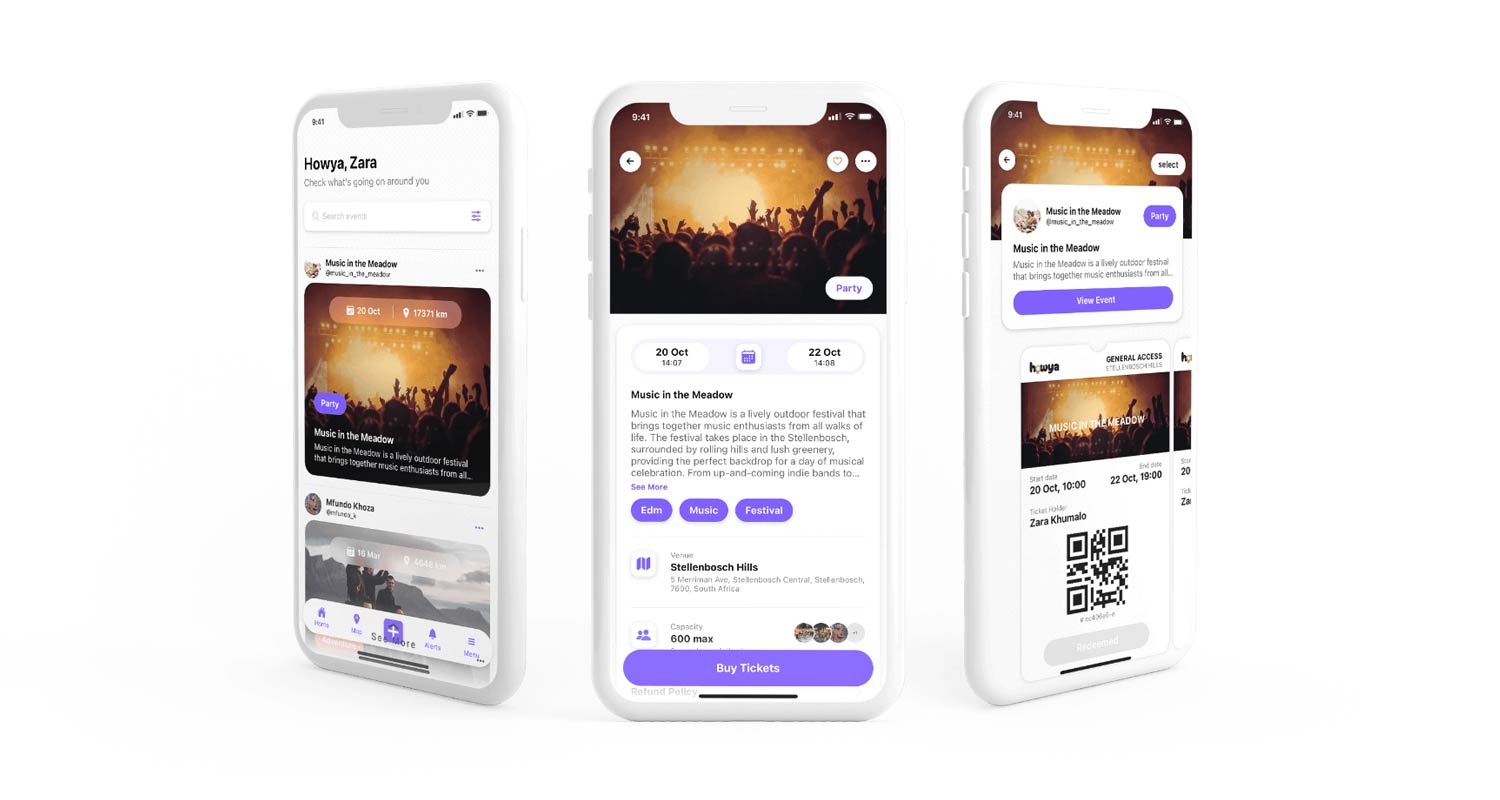
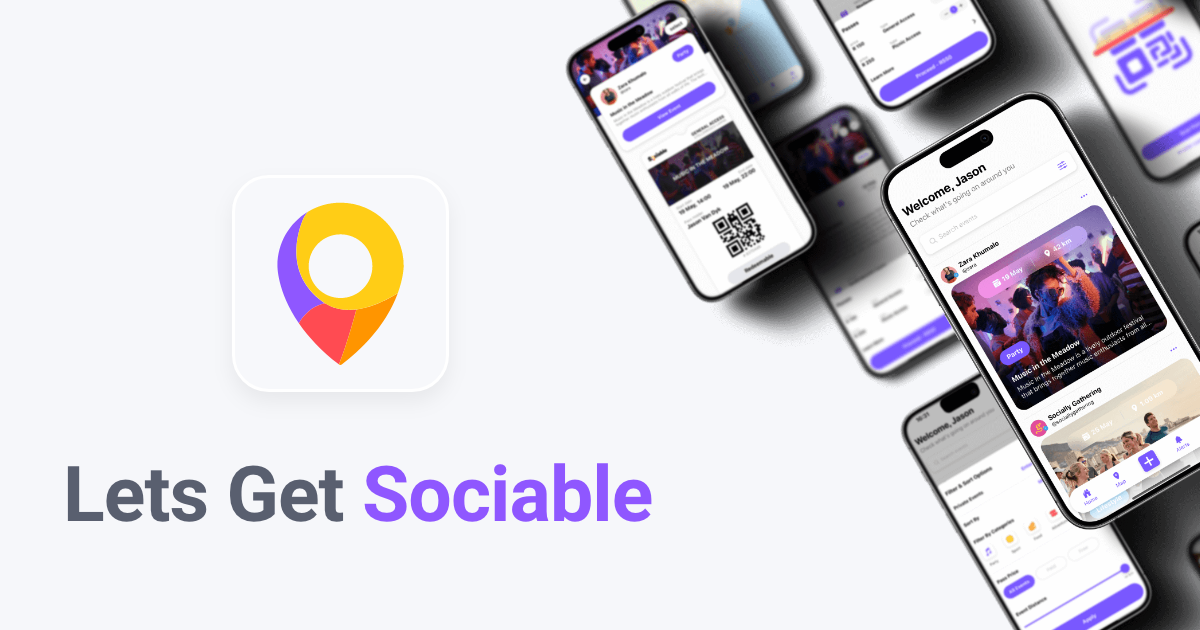
South African app Sociable aims to shake up social media Cape Town-based social media platform Sociable combines online activity with in-person meetups. The Sociable feed makes it easier than ever to find everything happening around you in real time. No more outdated articles, just real experiences. So this app is not your general status posting app from what I can see. Users can choose from categories such as Party, Sport, Food, Adventure, or Lifestyle to create an event based on a location, which others can subscribe to or follow. An event has a description, FAQ, a capacity, etc to get more information, and users can also indicate if they will attend. The aim seems to be to create a safer environment without AI driven bot posts etc. I suppose it is also a great way to meet up in person with like-minded people to enjoy a common interest. Certainly for Cape Town I see organised walks, hikes, runs, pottery classes, and more, some of which are intended just for women. Interestingly, it also makes provision for paid events with tickets, and even private events that can only be accessed with a unique pin code. There are mobile apps for iOS and Android available. See and their website at #technology #social #southafrica #events
Danie's avatar
Danie 1 year ago
Navidrome is an open source web-based music collection server and streamer Navidrome gives you freedom to listen to your music collection from any browser or mobile device. It's like your personal Spotify! It handles very large music collections, will stream virtually any audio format available, and reads and uses all your beautifully curated metadata. Furthermore, it has full support for playlists, with option to auto-import .m3u files and to keep them in sync. Additionally, it can also work as a lightweight Subsonic-API compatible server, that can be used with any Subsonic compatible client. This means there are a number of additional client apps that will also work with it. They also have a demo site where you can try it out. See #technology #opensource #selfhosted #music
Danie's avatar
Danie 1 year ago
Thousands of Asus routers are being hit with stealthy, persistent backdoors “Thousands of home and small office routers manufactured by Asus are being infected with a stealthy backdoor that can survive reboots and firmware updates in an attack by a nation-state or another well-resourced threat actor, researchers said.” It is called ViciousTrap, and it basically embeds a public encryption key for access to the device through SSH. So this is one way it can be detected. Some vulnerabilities have been patched, but a good 9,500 plus devices were already affected. It all comes down though again to the old issue of whether there are still updates available for routers that are a few years old, and also whether their owners are even bothering to check for and apply the patches. In the case of Asus, there is the third party Merlin software available that does support the routers a bit longer, but even Merlin at some point freezes updates a while after Asus stops providing updates. Which is why I made a clean break and decided to go with OPNsense, which keeps updating pretty well much like Linux does. OPNsense uses FreeBSD though, but the same theory applies. See #technology #routers #vulnerability
Danie's avatar
Danie 1 year ago
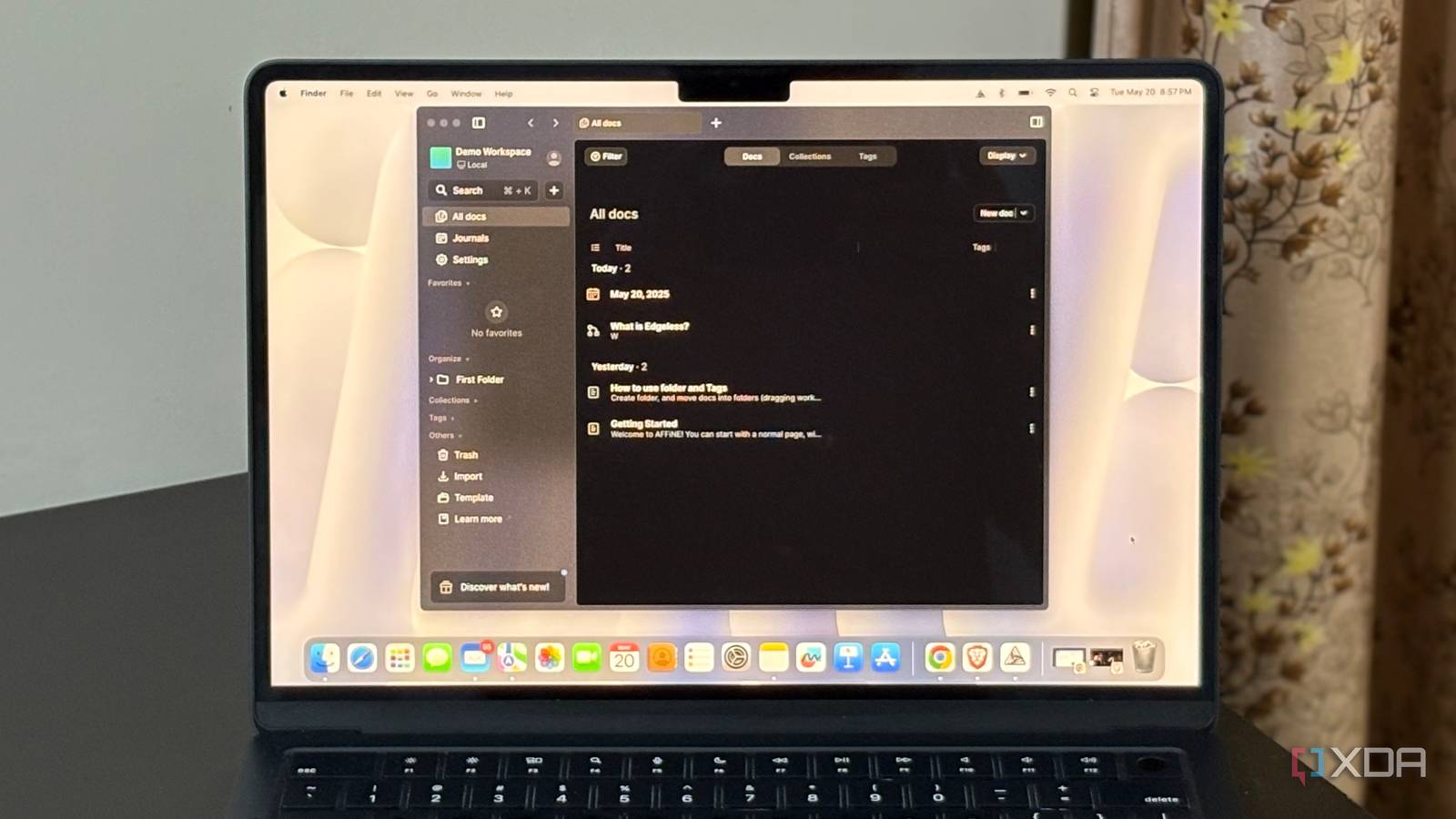
AFFiNE is an open-source, self-hosted alternative with a user interface very similar to Notion’s “Where AFFiNE truly stands out is in customization and its whiteboarding features. You can enable a translucent sidebar UI, toggle AI features on or off, adjust font styles, enable spellcheck, set page width, and more. The whiteboarding capabilities alone set AFFiNE apart since it’s not something a lot of apps offer.” This is actually quite an interesting application, especially for those who need to be creative and to collaborate with others. Although it uses Markdown shortcuts (and menus) and can export to Markdown format, it is not really intended to compete head-on with dedicated note-taking applications (at least not yet). One of the reasons is there are no stable mobile client apps yet. It does install on all the key desktop OSes and there is also a self-hosted version (as well as a paid cloud hosted version). Although it has been evolving in leaps and bounds, there are still some incomplete features, like I saw someone mention (and I could not find) a resorting option for tables. But for edgeless mixing of all sorts of different media in a collaborative environment, it looks like it is standing alone right now in the open source world. See #technology #opensource #selfhosting #whiteboard #collaboration
Danie's avatar
Danie 1 year ago
KOReader is an ebook reader application supporting many formats, running on Cervantes, Kindle, Kobo, PocketBook and Android devices KOReader is actually intended to replace your existing ebook reader software that runs on a Kobo or Kindle ereader. For Kindles, this will also mean you have to jailbreak them. But it can also install on Android, Linux and other OSs. It does provide a much richer and more customisable experience than Kobo or Kindle offers, and the real power also kicks in with plugins that enable Wallabag read-it-later service, RSS news feeds, integration with Calibre, etc. It supports fixed page formats (PDF, DjVu, CBT, CBZ) and reflowable e-book formats (EPUB, FB2, Mobi, DOC, RTF, HTML, CHM, TXT). Scanned PDF/DjVu documents can also be reflowed with the built-in K2pdfopt library. ZIP files are also supported for some formats. The linked article below gives some feedback on usage experience, but I have also provided the link to the source code site of the product. If you want to see it in action, you can watch some videos on Stefan Svartling's channel. See and #technology #opensource #reading #koreader
Danie's avatar
Danie 1 year ago
Speedtest-Tracker is a self-hosted Internet Performance Dashboard “Do you keep tabs on how much your network speed varies day to day? What about hour by hour? With this simple Docker container, you can not only automatically monitor your network performance, but also view it in a gorgeous graph with the click of a button.” This can be pretty useful to see what your Internet connection performs like normally, and to show when things have gone wrong. See #technology #speedtest #selfhosted #opensource
Danie's avatar
Danie 1 year ago
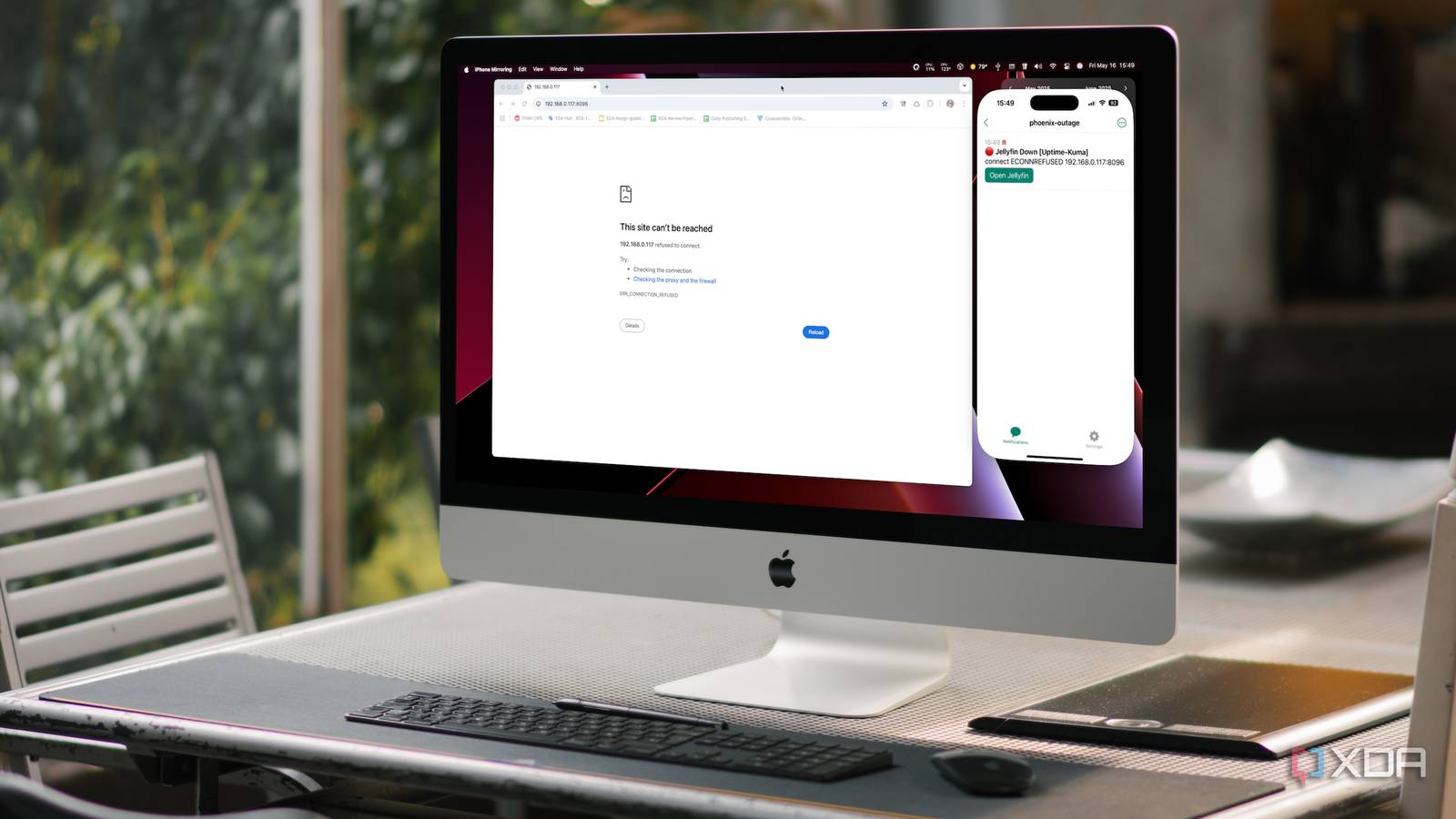
Ntfy is a pretty good open source notification service which you can host yourself This is a pretty flexible service that will send notifications to your mobile phone. You can either use their cloud service, or host it yourself. Apart from being able to send notifications directly from any command line, various apps such as Uptime Kuma, Home Assistant, and more also have built in support for Ntfy. See #technology #selfhosting #opensource #notifications
Danie's avatar
Danie 1 year ago
Rogue communication devices found in Chinese solar power inverters “Rogue communication devices not listed in product documents have been found in some Chinese solar power inverters by US experts who strip down equipment hooked up to grids to check for security issues, the two people said. Over the past nine months, undocumented communication devices, including cellular radios, have also been found in some batteries from multiple Chinese suppliers, one of them said.” I generally ignore all the unsubstantiated propaganda (think Huawei) out of the USA unless it actually is substantiated by some evidence. This does look like such a case, as undocumented devices have apparently been found in some Chinese inverters. Pure speculation is never evidence of anything. My own LiPO4 battery for example does have a Wi-Fi communication device in it for calling home to the OEM, but firstly it is documented, and secondly I configure it to only connect via my IoT VLAN, and thirdly it calls home to the local company in my town who manufactured it. The same goes for my German made Victron inverter. It is becoming more and more apparent though, given all the IoT devices we now install on our home networks, that just using any basic ISP router is no longer acceptable. You do need to separate your user devices from any such IoT devices, and then also vet which of those devices are allowed to access the Internet. There may be valid reasons for accessing the Internet such as getting updates, managing warranties, syncing to a cloud service you know about, etc. Remotely accessing your IoT devices when you are away from home should be considered carefully. For example, my CCTV cameras are not allowed any Internet access, and if I want to access them while I'm away, I have to initiate a secure Tailscale tunnel and only then can I see them. The same goes for login access to my OPNsense firewall, it has no open login access facing the Internet at all. It is true though that anyone capable of accessing your inverter (or many of them across a city or a country) could not only disable all your power, but it could also spark a massive demand load on the grid, possibly calling a blackout. So this has more severe implications than one home just being hacked to access data. The analogy could be made with cars where 20 or 30 years ago airbags were not seen as essential, and going back further, neither were seatbelts nor power brakes, but today those are essential standard components of all cars. It is also time that home networking started to move with the times. There is actually no excuse on the hardware side, as much of this is just about software, not even actual hardware requiring replacement. The problem though is a bit more complex as: * OEMs want to sell you new hardware, not just upgrade software on what you have. * Many cheaper devices have no automatic software upgrades. * Most home users are just not skilled enough yet to implement VLANs properly. * It is too easy for IoT devices to just be connected with a Wi-Fi ID and password to open home networks. So there is some way to go still before this type of vulnerability will be properly addressed. See https://www.reuters.com/sustainability/climate-energy/ghost-machine-rogue-communication-devices-found-chinese-inverters-2025-05-14 #technology #security #vulnerability #inverters
Danie's avatar
Danie 1 year ago
BleachBit 5.0 System Cleaning Utility Released with Major Upgrades "BleachBit, a free and open-source cross-platform system cleaning utility designed to help users reclaim disk space and protect their privacy, has just released a new major version, 5.0. Users will appreciate the newly added display‑language option in “Preferences,” which allows quick switching between supported languages without delving into configuration files. In addition, standard keyboard shortcuts such as “Ctrl+Q” and “Ctrl+W” now close the application, while update notifications have been tempered to be less intrusive.” Apart from the various other changes also listed in the linked article, running this latest version has just cleared over 11 GB of crud off my drive. The thing I need to really remember, is to run BleachBit every 6 months or so. See #technology #opensource #bleachbit
Danie's avatar
Danie 1 year ago
Immich Public Proxy shares your Immich photos and albums safely without exposing your Immich instance to the public Immich is a wonderful bit of software, but since it holds all your private photos it's best to keep it fully locked down. This presents a problem when you want to share a photo or a gallery with someone. To view a shared album in Immich, you need access to the /api/ path. If you're sharing a gallery with the public, you need to make that path public. Any existing or future vulnerability has the potential to compromise your Immich instance. I'm not aware of any such vulnerability existing right now. Immich Public Proxy provides a barrier of security between the public and Immich, and only allows through requests which you have publicly shared. It is stateless and does not know anything about your Immich instance. It does not require an API key which reduces the attack surface even further. The only things that the proxy can access are photos that you have made publicly available in Immich, and it strips out most metadata such as locations, camera details, comments, etc. This video will show how it operates and give some pointer son setting it up, and will also show a workaround I'm using to provide a public landing page for all your shared links on Immich, and how to nest a group of sub-albums on a webpage. See #technology #opensource #security #Immich
Danie's avatar
Danie 1 year ago
Europe plots escape hatch from the enshittification of search “If you ever get the impression that search engines are getting worse, or that alternatives are not all they seem, it's not just you. It's what journalist Cory Doctorow calls “It has 14 partners funding it so firstly enshitiffication." Many alternatives use Microsoft's Bing for search, so when Bing goes down so does DuckDuckGo, for instance. It's important to note what this isn't, though. It's not a new search engine. Rather, the project is building a web index, the idea being to make it easier for others to build search engines that can use the OpenWebSearch database as their index.” Nevertheless, this does look very interesting. It has 14 partners funding it, so hopefully that means it won't just run out of steam in a few months, and also means there should not be any single corporation just calling all the shots. It also says it aims not to provide a search API, but rather it is shared as open data so that others use it in building a search engine. But the proof of the pudding will be in the eating, as the web is changing daily, so this all has to come together and bring meaningful search results to end users. So, I guess we'll only be able to tell when such search engines are established and many people have actually tested and evaluated the results. See #technology #opendata #search
Danie's avatar
Danie 1 year ago
Google eventually adds UWB support to its rebranded Find Hub tracker app This was a feature that I noticed was missing from Google's tracking app when I wanted to buy Android tags. I was very close to buying the Motorola Moto tags but then went with the Samsung tags instead which offered UWB as well as separation alerts (does Google's offering provide that yet?). It's pretty sad that Google lags so behind, and even it's 3rd party providers are already providing the features and waiting for Google to catch up. The name changes are also diluting a lot of brand awareness. I have completely lost count of the number of name changes for the various messenger apps over the years. Google also announced this week that the web version of Google Keep was finally getting text formatting. This is about a year behind the mobile app version, and many years behind all of its rivals. Maybe I just remember the early years of Google, when everything seemed to be more innovative and pushing the boundaries. It's almost as if Google has become more like Apple (except that Apple's tags already had UWB and separation alerts, and their Notes has had text formatting from the very start). See and #technology #trackers
Danie's avatar
Danie 1 year ago
5 signs your NVMe SSD might actually need a heatsink “As far as PC overheating is concerned, SSDs are often the last components you think about. CPUs and GPUs are usually the ones that you need to worry about. However, if you've been running your SSD without a heatsink, and suddenly start noticing some unusual behavior, it might be time to slap on a heatsink. High-performance SSDs, whether Gen4 or Gen5, can require a heatsink to stay cool and avoid thermal throttling. If your NVMe SSD never came with a heatsink and your motherboard doesn't have one either, you might have to consider an aftermarket one.” I did not know there were such heatsink fans around for about US$21. Currently, I'm using an app called CoolerControl though, which watches the temp of the CPU as well as the NVMe SSD drive, and adjusts the case fans accordingly. For my NVMe drive, this is handling the cooling fairly well. See #technology #cooling
Danie's avatar
Danie 1 year ago
Unlike Signal, WhatsApp provides no cryptographic management for group messages It shows yet again that marketing end-to-end-encryption (E2EE) is not the be-all and the end-all when it comes to security and privacy. It's the edges (client devices) and group chats etc where there could be weaknesses. Furthermore, it also shows again that if you use the proper Signal app, there is right now no better security and privacy as far as ordinary users go (non-ordinary users make use of other messaging apps where you just don't find all your friends). What this WhatsApp vulnerability means is two things: Firstly as usual Meta messed with the original Signal protocol (to scale I'm sure) otherwise it would not be different, and secondly that any Meta admin could insert anyone into an encrypted WhatsApp group chat. Yes it may not be that likely to happen, and users should see it if they are paying attention (except for the White House), but a government anywhere in the world could now force Meta to insert one of their agents into such a group chat, even after the fact, to prosecute or persecute someone. Bottom line is Signal is still best for all ordinary users, and is at least serious about security and privacy, unlike Meta who seems not really to care beyond the marketing and driving under adoption up. Whistleblowers and activists should only be using Signal or better apps. The network effect though does hold ordinary users firmly on WhatsApp and Facebook, so if you do want others to change, make sure you at least have a Signal account in case others want to change and still find their friends. I have about 8+ messengers on my phone (apart from WhatsApp) so having more than one app is just a non-issue today. The gripe I do have with Signal still is, it is tied to a mobile phone number, but I get it that a messenger that is not so tied, does not help find one's friends. See #technology #security #privacy #WhatsApp
Danie's avatar
Danie 1 year ago
Linkwarden is an open source self-hosted collaborative bookmark manager Linkwarden is a self-hosted, open-source collaborative bookmark manager designed to collect, organize, and archive webpages. Its main goal is to help individuals and teams manage useful webpages and articles in one centralized place, while also preserving copies of those pages-such as screenshots and PDFs-to protect against “link rot” (when web content disappears or changes over time). My video highlights what it does (and how it can be more useful than just using The Internet Archive), I show how its user interface works, the menu settings, how to add a link using LinkDroid on a mobile phone, how to follow public collections using RSS, and discus how to sync it with your browser bookmarks. This is a very slick and useful application to self-host and keep track of bookmarks that you either want to share with others, or want to have available in the future. Watch #technology #opensource #selfhosting #bookmarks