‏‏٥٧٤ ألف‏ مشاهدة‏ · ‏‏١٦ ألف‏ تفاعل‏ | Something extraordinary happened in Russia this week, though much of the world may have missed it. In the centre of St Petersburg, eighteen-year-old singer Diana Loginova stood before a crowd of young people and began to sing. Her song mocked Vladimir Putin, describing an old man clinging to power, fearful of the world he created. Hundreds joined her, their voices rising together in open defiance of a government that punishes even the hint of dissent. Within two days she was arrested for performing lyrics now branded “extremist.”
That moment captures the new reality in Russia. The government has spent the past year tightening its hold on speech and information. Citizens can be fined for simply searching online for banned material, even without intent to share it. Bookshops are purging the shelves of writers marked as “foreign agents,” and publishers are using artificial intelligence to hunt for prohibited themes. Internet providers must hand user data to the authorities. New phones will soon be sold with a state app that logs calls, messages, and payments.
These measures form part of what the Kremlin calls “digital sovereignty,” a phrase that hides a growing system of surveillance. Russians are being locked inside an information cage where the government decides what they can read, watch, or discuss. VPNs are throttled, foreign platforms blocked, and even small acts of defiance carry serious risk. Online life now reflects political life, where power flows one way and criticism is treated as danger.
Putin has not secured the country; he has isolated it. His rule depends on fear, secrecy, and control of the narrative. The comparison with China’s firewall or North Korea’s surveillance state is no exaggeration. Russia is moving in the same direction, cut off from the outside world, suffocating under the weight of its own paranoia. Each new restriction widens the gap between those who comply and those willing to risk everything to speak.
Against that machinery of repression, Loginova’s act shines with rare clarity. She sang a song that mocked a ruler terrified of truth. For a few minutes, her voice broke through the silence that has settled over public life in Russia. Her courage reflects a wider disquiet among younger Russians who never lived through the Soviet Union yet recognise its return in another form. They see a state that fears its own citizens more than any external threat, and they refuse to accept that fear as normal.
Loginova’s arrest should not be dismissed as a brief scandal or a fleeting act of rebellion. It reveals a generation raised in censorship but unwilling to be defined by it. They have no nostalgia for empire or obedience. They want a country that listens, one that trusts its people and is not afraid of argument or art. In a city built on grandeur and control, a young woman with a guitar became the sound of defiance. Her song was silenced, but the idea it carried continues to echo through a nation told, again and again, to stay quiet. | Jack Dart
Something extraordinary happened in Russia this week, though much of the world may have missed it. In the centre of St Petersburg, eighteen-year-ol...

 #ai #art #aiart
 #ai #art #aiart


 Sino em le infortmar, ams isso é ser nazista
Source:
Sino em le infortmar, ams isso é ser nazista
Source:  Levantamento de Jorge Seif aponta que STJ concedeu 9.166 habeas corpus por tráfico em 2024; senador vê avanço do “narcoestado”.
Um levantamento feito pelo senador Jorge Seif (PL-SC) aponta que o Superior Tribunal de Justiça (STJ) concedeu 9.166 habeas corpus a condenados ou investigados por tráfico de drogas apenas em 2024 – o equivalente à metade de todas as decisões favoráveis no tribunal nesse tipo de ação, apresentado à Justiça para arquivar inquéritos, anular processos ou soltar criminosos.
No Supremo Tribunal Federal (STF), foram 577 habeas corpus concedidos no mesmo período, sendo o tráfico o crime mais comum. Os dados fazem parte do dossiê intitulado “A Ascensão do Narcoestado do Brasil”, elaborado pelo parlamentar após oito meses de pesquisa e mais de 400 horas de trabalho pessoal, compilando cinco anos de decisões judiciais, reportagens e dados oficiais. Até o momento, Seif divulgou apenas dados de 2024.
Para Seif, as informações demonstram que o Judiciário brasileiro tem contribuído, “ainda que involuntariamente”, para o fortalecimento das facções criminosas.
#STJ #STF #JorgeSeif #TráficoDeDrogas #justiça
➡️ LEIA a matéria completa na #GazetadoPovo:
Levantamento de Jorge Seif aponta que STJ concedeu 9.166 habeas corpus por tráfico em 2024; senador vê avanço do “narcoestado”.
Um levantamento feito pelo senador Jorge Seif (PL-SC) aponta que o Superior Tribunal de Justiça (STJ) concedeu 9.166 habeas corpus a condenados ou investigados por tráfico de drogas apenas em 2024 – o equivalente à metade de todas as decisões favoráveis no tribunal nesse tipo de ação, apresentado à Justiça para arquivar inquéritos, anular processos ou soltar criminosos.
No Supremo Tribunal Federal (STF), foram 577 habeas corpus concedidos no mesmo período, sendo o tráfico o crime mais comum. Os dados fazem parte do dossiê intitulado “A Ascensão do Narcoestado do Brasil”, elaborado pelo parlamentar após oito meses de pesquisa e mais de 400 horas de trabalho pessoal, compilando cinco anos de decisões judiciais, reportagens e dados oficiais. Até o momento, Seif divulgou apenas dados de 2024.
Para Seif, as informações demonstram que o Judiciário brasileiro tem contribuído, “ainda que involuntariamente”, para o fortalecimento das facções criminosas.
#STJ #STF #JorgeSeif #TráficoDeDrogas #justiça
➡️ LEIA a matéria completa na #GazetadoPovo: 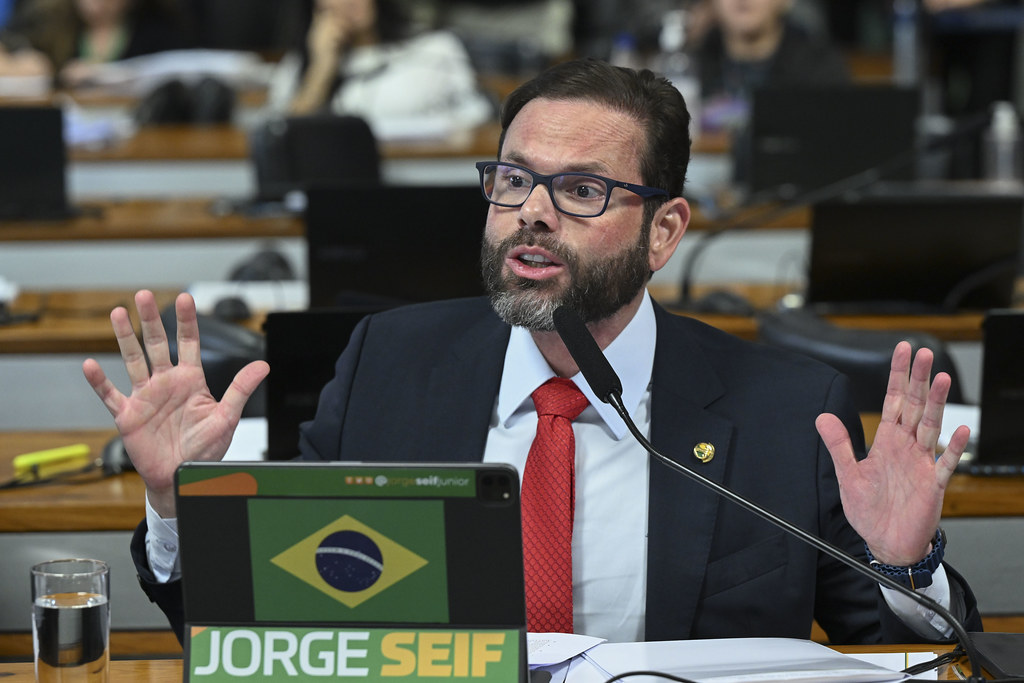


 Yeah, thats about right. We stop by nine, but some people wait 1 extra hour so they can drive after the 2 glasses of wine they took.
Source:
Yeah, thats about right. We stop by nine, but some people wait 1 extra hour so they can drive after the 2 glasses of wine they took.
Source: 
 314 norte em 1984.
Foto enviada por Rander Moura
Source:
314 norte em 1984.
Foto enviada por Rander Moura
Source:  Source:
  The world’s waking up.
Source:
The world’s waking up.
Source:  Source:
  More comics and merch:
 Source: