bitcoms's avatar
bitcoms
bitcoms@nostrplebs.com
npub18s6a...eqxk
Writing and photographing Bitcoin
bitcoms's avatar
bitcoms 2 years ago
Why do you mind your transactions being monitored and vetted? Do you have something to hide? Why do you mind your posts being monitored and vetted? Do you have something to hide? Why do you mind your movements being monitored and vetted? Do you have something to hide? Why do you mind your body function being monitored and vetted? Do you have something to hide? Why do you mind your speech being monitored and vetted? Do you have something to hide? Why do you mind your thoughts being monitored and vetted? Do you have something to hide?
bitcoms's avatar
bitcoms 2 years ago
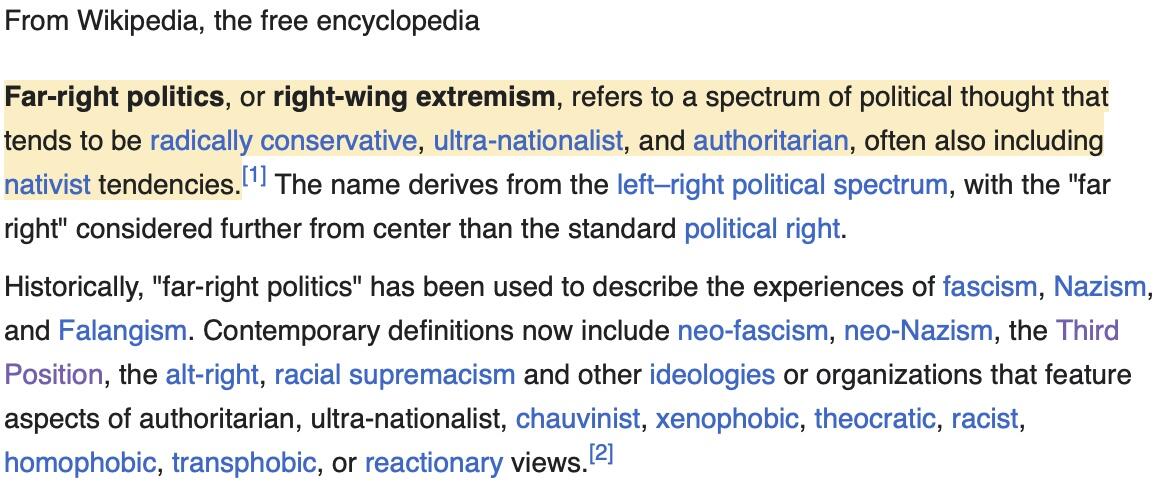
The President-elect of Argentina, Javier Milei, is described in most Western media as “far right”. Is this accurate, or is it a slur?
bitcoms's avatar
bitcoms 2 years ago
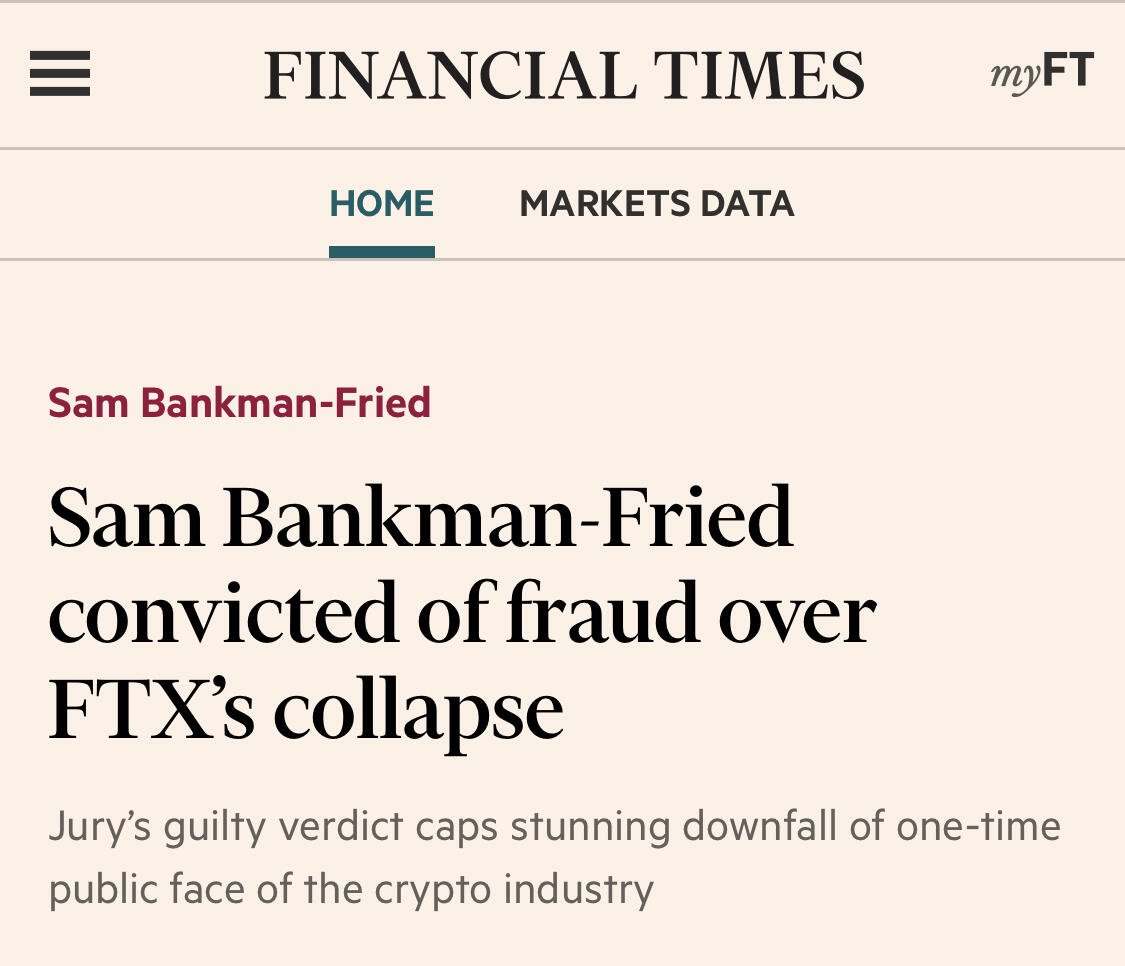
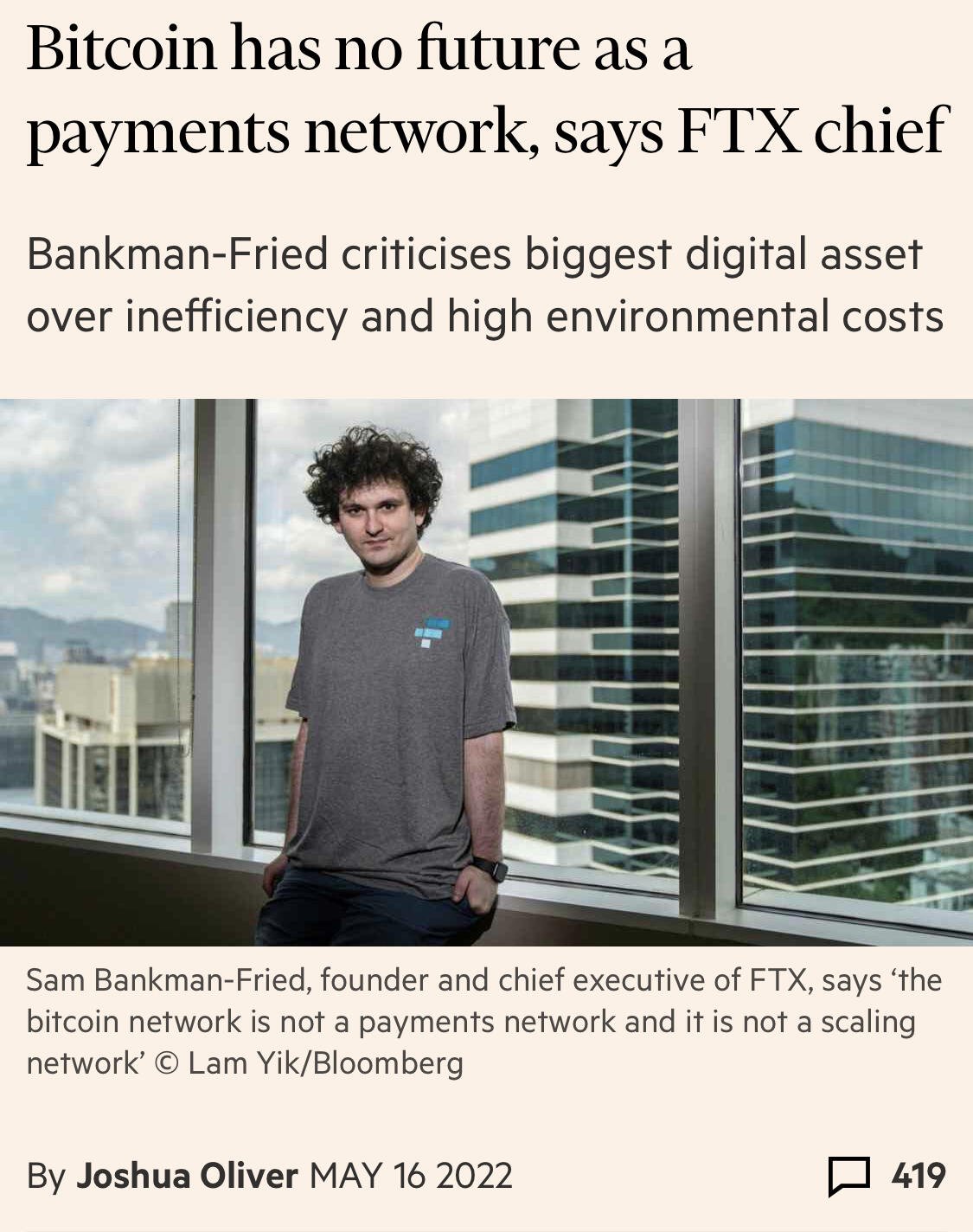
⁃ recent gargantuan increases in money supply are still having powerful effects ⁃ interest rate rises may be ineffective, and may even have significant inflationary effects Unsurprisingly, these obvious points are not even mentioned by the FT in their latest article analysing inflation. image
bitcoms's avatar
bitcoms 2 years ago
Presumably a very short article which just says: “Bitcoin fixes this” image
bitcoms's avatar
bitcoms 2 years ago
Are early 2020s US markets more or less volatile than in 1920s Weimar Germany? In the run up to the 1923 peak insanity of Germany’s notorious hyperinflation, its financial markets were (unsurprisingly) tumultuous. This is chronicled in Adam Fergusson’s 1975 book, ‘When Money Dies’. To illustrate the face-peeling volatility, Chapter 5 gives three examples of share prices in 1920, how they exploded in 1921 and then cratered in 1922. The first example is a car maker, the Daimler Motors Corporation (later Mercedes-Benz): 1921 pump 170% 1922 drawdown 63% How does this compare with today’s biggest US car-making company, Tesla? 2021 pump 1350% 2022 drawdown 75% Observation: 2020s Tesla is more volatile than early 1920s Daimler. Is Tesla just a rank outlier? No. Facebook 2021 pump 180% 2022 drawdown 77% Observation: 2020s Facebook is more volatile than early 1920s Daimler. Netflix 2019-2021 pump 160% 2022 drawdown 76% Observation: 2020s Netflix is just as volatile as early 1920s Daimler. It’s often said that history may not repeat, but it often rhymes. Looking at stock volatility 100 years on, what can Weimar Germany tell us about today’s America?
bitcoms's avatar
bitcoms 2 years ago
Bitcoin is non-government money (From ‘Bitcoin is’, a series to help people understand Bitcoin) Many people think that money has to be issued by the government. But this is not the case, and it never has been. First, consider currency. In London, the pound is money, the euro is money in Paris, and Bitcoin is money in El Salvador: all of these are legal tender, endorsed by the respective national governments. But money can also be whatever currency people agree is money without the government’s say so. The US dollar remains money in Cuba even though the government says it isn’t legal tender, and Bitcoin is widely accepted on the Isle of Man without the government there saying anything much about it at all. The same goes for banknotes. They are of course often issued by governments via their central banks. But notes have historically been issued by private banks as well. In some places they still are, such as Scotland, where Virgin Money subsidiary Clydesdale Bank (amongst others) still issues sterling banknotes, and Northern Ireland, where (amongst others) Danish multinational Danske Bank does the same. And what about ledger money, which makes up most money in circulation today? The world over, this is mainly not issued by governments at all, but is instead created by non-government banks such as Banco Santander and Wells Fargo when they make loans. In the UK for example, retail banks such as HSBC and Lloyd’s create around 80% of the money in the economy in this way. So while some money is government money, most money is not. Yet people the world over still agree it is money. Similarly, Bitcoin is not government money, yet people all over the world agree it is money. Bitcoin is non-government money. Please share to help people understand Bitcoin
bitcoms's avatar
bitcoms 2 years ago
Bitcoin is the Bank (From ‘Bitcoin is’, a series to help people understand Bitcoin) Say I pay you via the bank: I instruct my bank; my bank grants permission, updates its private ledger and tells your bank; your bank grants permission, and updates its private ledger. But if I pay you with Bitcoin, there are only two steps: I make an entry in Bitcoin’s public ledger, and the Bitcoin network confirms the transaction. And that’s it. I’ve sent you the money, and the transaction is complete. Nothing physically moved: the money stayed where it always was, on the Bitcoin ledger. But now the ledger shows publicly that the money was transferred from me to you. Our names aren’t recorded in the ledger – just our Bitcoin addresses, virtual locations which we control. We didn’t need banks to hold our money, receive instructions, grant permissions, or transfer our funds by updating their private ledgers. Instead, we just used Bitcoin’s public ledger. We didn’t need banks at all. Bitcoin is the bank. Please share to help people understand Bitcoin
bitcoms's avatar
bitcoms 2 years ago
Bitcoin is the Bank (From ‘Bitcoin is’, a series to help people understand Bitcoin) Say I pay you via the bank: I instruct my bank; my bank grants permission, updates its private ledger and tells your bank; your bank grants permission, and updates its private ledger. But if I pay you with Bitcoin, there are only two steps: I make an entry in Bitcoin’s public ledger, and the Bitcoin network confirms the transaction. And that’s it. I’ve sent you the money, and the transaction is complete. Nothing physically moved: the money stayed where it always was, on the Bitcoin ledger. But now the ledger shows publicly that the money was transferred from me to you. Our names aren’t recorded in the ledger – just our Bitcoin addresses, virtual locations which we control. We didn’t need banks to hold our money, receive instructions, grant permissions, or transfer our funds by updating their private ledgers. Instead, we just used Bitcoin’s public ledger. We didn’t need banks at all. Bitcoin is the bank. Please share to help people understand Bitcoin
bitcoms's avatar
bitcoms 2 years ago
Bitcoin is the Bank (From ‘Bitcoin is’, a series to help people understand Bitcoin) Say I pay you via the bank: I instruct my bank; my bank grants permission, updates its private ledger and tells your bank; your bank grants permission, and updates its private ledger. But if I pay you with Bitcoin, there are only two steps: I make an entry in Bitcoin’s public ledger, and the Bitcoin network confirms the transaction. And that’s it. I’ve sent you the money, and the transaction is complete. Nothing physically moved: the money stayed where it always was, on the Bitcoin ledger. But now the ledger shows publicly that the money was transferred from me to you. Our names aren’t recorded in the ledger – just our Bitcoin addresses, virtual locations which we control. We didn’t need banks to hold our money, receive instructions, grant permissions, or transfer our funds by updating their private ledgers. Instead, we just used Bitcoin’s public ledger. We didn’t need banks at all. Bitcoin is the bank. Please share to help people understand Bitcoin
bitcoms's avatar
bitcoms 2 years ago
Bitcoin is Money (From ‘Bitcoin is’, a series to help people understand Bitcoin) Money can be one of two things. It can be a tangible object: I can pay you by handing you a coin or a banknote which we both agree is money. But if I send money from my bank account to yours, our banks don’t pass each other coins or banknotes or any other physical objects. So how does the money move? Well, nothing really moves at all. Our banks simply make entries in their ledgers, and we accept these book entries as money. Most money is this second type: ledger money. As you may be aware, Bitcoin is a ledger. And just like a bank’s books, Bitcoin is a ledger which people all around the world agree is money. Bitcoin is money. Please share this series to help people understand Bitcoin