Do you believe in a higher power?

npub1ra0p...9dgt
npub1ra0p...9dgt
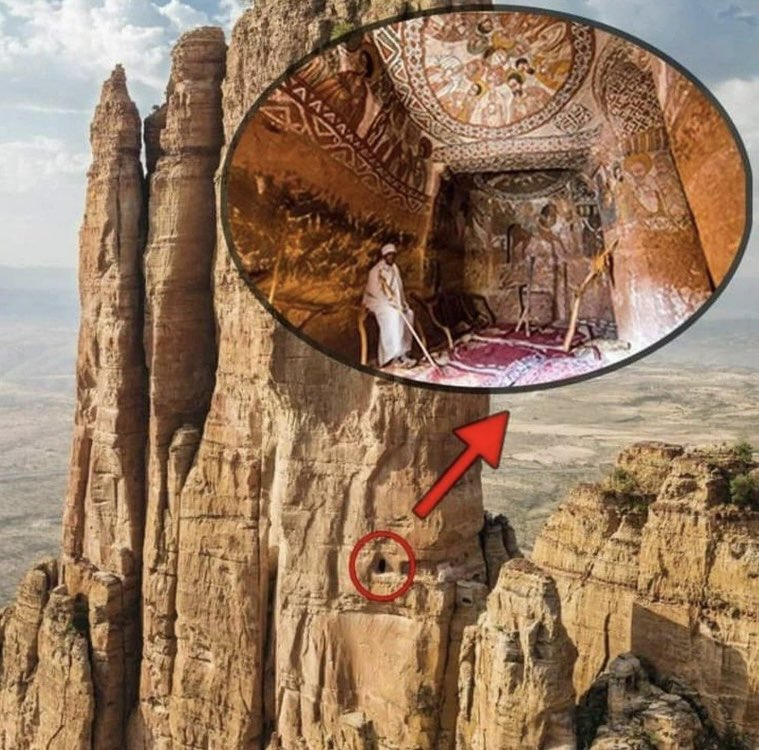
Ethiopia's 'Abuna Yemata Guh' is arguably the most inaccessible place of worship on earth and has to be climbed on foot to reach. 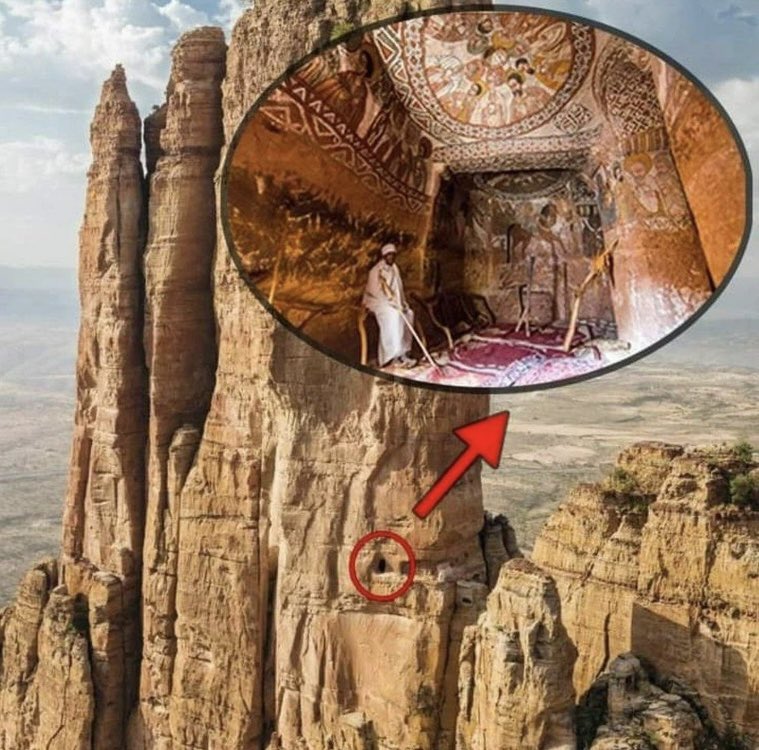
X (formerly Twitter)
Historic Vids (@historyinmemes) on X
Ethiopia's 'Abuna Yemata Guh' is arguably the most inaccessible place of worship on earth and has to be climbed on foot to reach.
Elon Musk casually clicking pictures of his empire 500ft up in the air 
X (formerly Twitter)
Historic Vids (@historyinmemes) on X
Elon Musk casually clicking pictures of his empire 500ft up in the air
Mariano Rivera showing what he used as a home made baseball glove as a child 
X (formerly Twitter)
Historic Vids (@historyinmemes) on X
Mariano Rivera showing what he used as a home made baseball glove as a child
What if the dinosaurs had not gone extinct?
"The best unknown guitarist" Roy Buchanan in his prime performing "Hey Joe" (1976) 
X (formerly Twitter)
Historic Vids (@historyinmemes) on X
"The best unknown guitarist" Roy Buchanan in his prime performing "Hey Joe" (1976)
Are you invested in the stock market?
Terry Crews explains how to make more money 
X (formerly Twitter)
Historic Vids (@historyinmemes) on X
Terry Crews explains how to make more money
Where do you want to be in 10 years?
The greatest transformation in cinema history is in The Godfather when Vito Corleone's mustache turns into a tree 
X (formerly Twitter)
Historic Vids (@historyinmemes) on X
The greatest transformation in cinema history is in The Godfather when Vito Corleone's mustache turns into a tree
Cillian Murphy has been spotted filming for the new Peaky Blinders movie 
X (formerly Twitter)
Historic Vids (@historyinmemes) on X
Cillian Murphy has been spotted filming for the new Peaky Blinders movie
Gwen Stefani and Sublime playing together at the KROQ Winnie Roast in Irvine, CA (1995) 
X (formerly Twitter)
Historic Vids (@historyinmemes) on X
Gwen Stefani and Sublime playing together at the KROQ Winnie Roast in Irvine, CA (1995)
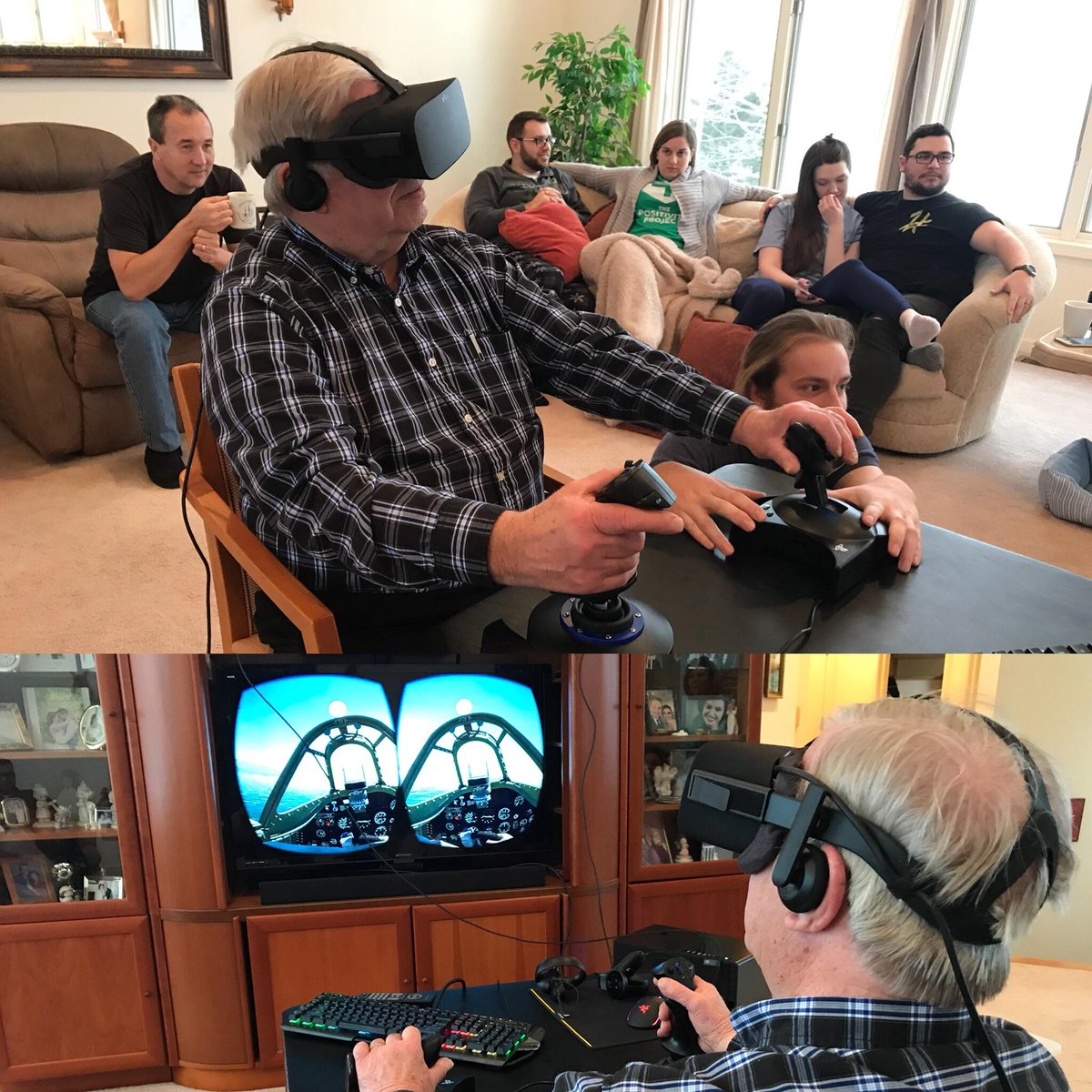
Grandpa was a pilot for decades but he had to sell his plane 15 years ago, last Christmas he got a chance to fly again 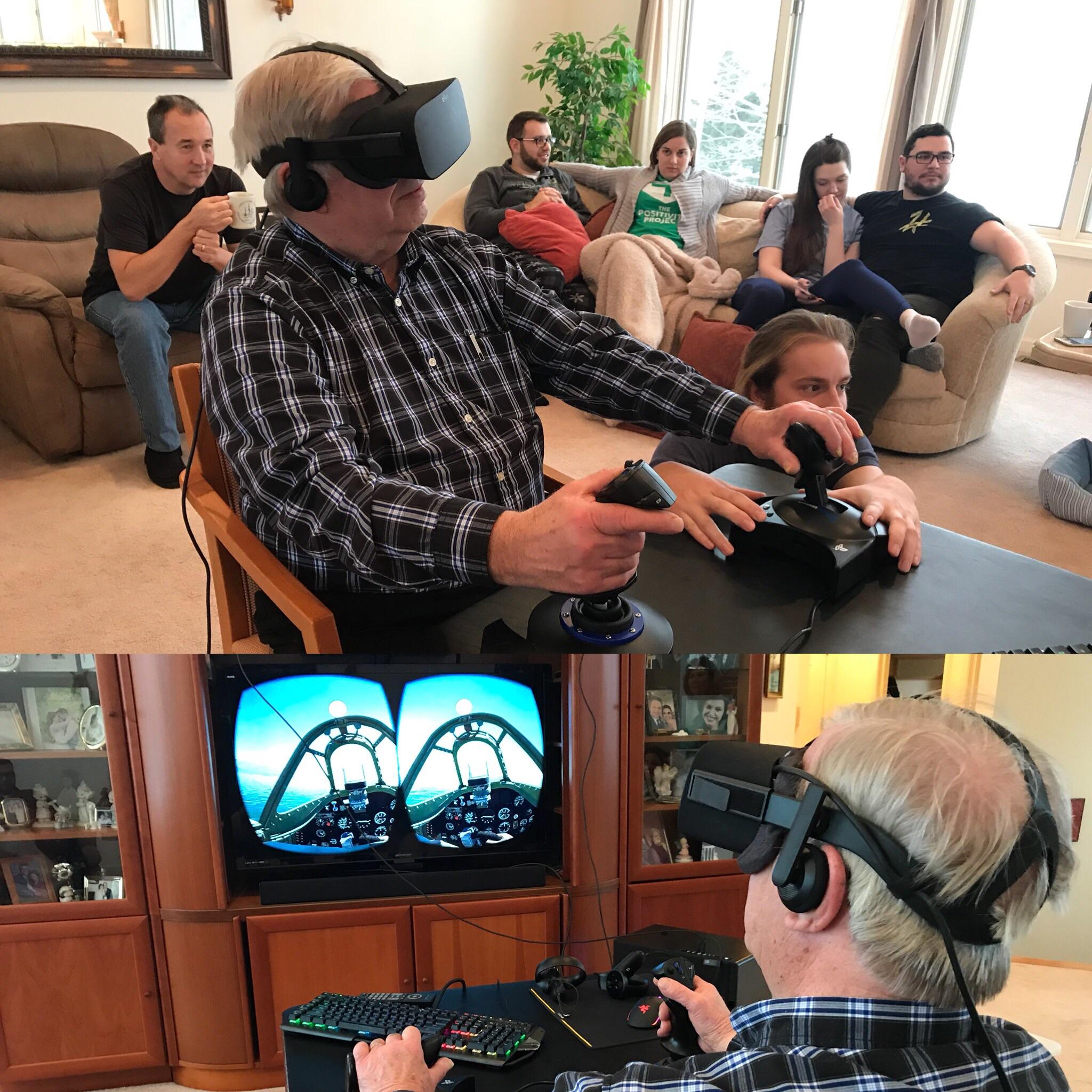
X (formerly Twitter)
Historic Vids (@historyinmemes) on X
Grandpa was a pilot for decades but he had to sell his plane 15 years ago, last Christmas he got a chance to fly again
Guy smiles for a photo after the tree he planted 35 years ago that he named Epimaco Amancio saved a bus from plunging off a cliff in Dalaguete, Cebu, Philippines. It saved the lives of 37 people, most of them were students. 

X (formerly Twitter)
Historic Vids (@historyinmemes) on X
Guy smiles for a photo after the tree he planted 35 years ago that he named Epimaco Amancio saved a bus from plunging off a cliff in Dalaguete, Ceb...
Without Googling, name a historic figure from Colombia 

X (formerly Twitter)
Historic Vids (@historyinmemes) on X
Without Googling, name a historic figure from Colombia
The game of Monopoly has its roots in 1903 when Lizzie Magie, an American, created a game named "The Landlord's Game." Magie was inspired by the economic theories of Henry George, particularly his views on land monopolies and how they could negatively impact society. She aimed to use her game as an educational tool to demonstrate these principles.
Magie patented her game in 1904 and began self-publishing it in 1906. The game had two sets of rules: one where players benefited collectively from the wealth generated, reflecting anti-monopolistic ideals, and another where the goal was to dominate the market, mimicking real-world monopolistic tendencies.
Over the years, various versions of the game evolved, incorporating elements like buying and developing land, and increasing rents with more development (like adding houses). Despite these changes, the core concept remained the same. Magie re-patented her game in 1923, indicating the ongoing development and popularity of the concept.
This history shows that Monopoly was initially designed not just for fun, but to teach players about economic theories and the impacts of monopolies, reflecting the social and political concerns of its time.
This is Lizzie Magie's 1904 board design, The Landlord's Game, was a predecessor of Monopoly. 
When Uber CEO Travis Kalanick tried explaining Uber Eats 
X (formerly Twitter)
Historic Vids (@historyinmemes) on X
When Uber CEO Travis Kalanick tried explaining Uber Eats
When Elon Musk invited his ex-wife to his hotel room to show her rocket videos 
X (formerly Twitter)
Historic Vids (@historyinmemes) on X
When Elon Musk invited his ex-wife to his hotel room to show her rocket videos
In your opinion, is colonialism good or bad?
Chairman Mao meets Pu Yi, China’s last Emperor around 1961 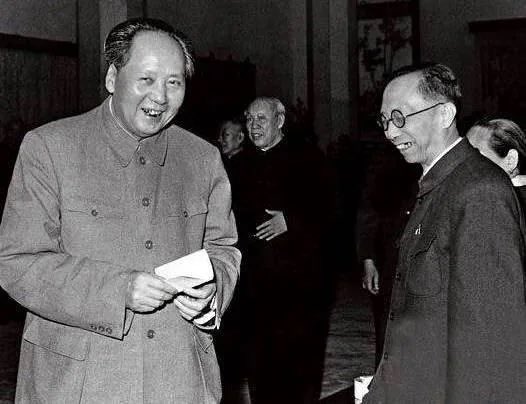

X (formerly Twitter)
Historic Vids (@historyinmemes) on X
Chairman Mao meets Pu Yi, China’s last Emperor around 1961