Bitman's avatar
Bitman
bitman@nostrplebs.com
npub1z204...mxwn
Follow the money.
Bitman's avatar
Bitman 5 months ago
⚔️ ORWELL vs HUXLEY Everyone loves quoting George Orwell (author of 1984). But it was Huxley’s fiction (Brave New World) that best predicted how the MEDIA has reprogrammed the FUTURE. Here are 5 things he predicted SPOT ON. They are 👇 image Orwell feared the banning of books. Huxley feared the LACK of REASONS to ban them… once no one was interested in reading them anymore. Orwell feared that the truth could be HIDDEN from us. Huxley feared that it would be DROWNED in a sea of IRRELEVANCE 🌊 Orwell feared that we would become a REPRESSED culture. Huxley feared that we would become a TRIVIAL culture. Orwell warned of oppression imposed from the outside. Huxley saw no need for a Big Brother to strip people of their autonomy, maturity, and HISTORY. People would soon learn to LOVE OPPRESSION, to revere the technologies that “undid” their ability to think. In 1984, people are controlled through the application of PAIN ❌ In Brave New World, control is achieved through the application of PLEASURE ✅ It’s not what we HATE that leads us to ruin. It’s what we DESIRE most. image
Bitman's avatar
Bitman 5 months ago
In the world of #Bitcoin, everything seems motionless until suddenly it all happens at once. “Slowly, then suddenly.” Just be patient and keep following your plan. image
Bitman's avatar
Bitman 5 months ago
“If #Bitcoin goes over 100 thousand dollars, you can bet it will reach 1 million.” John McAfee Legend!!! image
Bitman's avatar
Bitman 5 months ago
This is one of the hardest things for a new Bitcoin investor to wrap their head around. But at the same time, it’s one of the simplest to put into practice. Holding Bitcoin for more than 3 years gives you a 99.3% probability of making a profit. And yet, some people will still lose money out of impatience. Bitcoin is a machine that grinds down the impatient — once you understand that, everything changes. And you don’t need a guru to teach you some flashy strategy, you just need a well-defined plan. image
Bitman's avatar
Bitman 5 months ago
This guy is going to collect a WHOLE BITCOIN just by picking up and reselling CANS for recycling. The "crypto scrapper" is a family man and has been a holder for years. If you think "you don’t have money to save," you need to know this story 👇

 Bruno is a family man from the countryside of São Paulo. His life changed when he discovered Bitcoin. For at least 2 years, he has been selling cans to stack satoshis. "Every week, even if it’s just 1 real, I save." image 1 kilo of cans (70 units) yields about R$5.50. If collected daily, that’s R$165 per month—or 0.00026 ₿. In 3,842 months (a few centuries), if the price stays stable, the cans would yield a whole 1 BTC. This calculation illustrates the difficulty of becoming a "wholecoiner" nowadays and the importance of diversifying income sources. Bruno’s journey, it’s worth noting, began when prices were lower. Along the way, he wrote two educational books for his daughters. image Proof of work is relentless. The wealth the "crypto scrapper" is building goes far beyond the satoshis he stacks. "Those who want to do it, do it; those who don’t, make excuses" 🤷‍♀️ If you have a friend who says “I don’t have money to save,” send them this story ✈️
Bitman's avatar
Bitman 5 months ago
What will really happen is that state-issued currencies will not completely disappear. They will become hyperinflationary, and that will be the new normal. They will still be used to pay taxes and denominate public debt, but they will be deeply inflationary due to the State’s financial situation: No State has the ability to pay its infinite debts to banks and its own people without turning on the printing press (and in the process destroying its currency, in which the debt is denominated, thereby reducing the real value of the debt). They will be far, far less relevant, but at least for the next 50 years they will not cease to exist.
Bitman's avatar
Bitman 5 months ago
The state never buys anything — it always steals. (Even when it “buys.”) U.S. Treasury Secretary says: “We will not buy” (Bitcoin); the reserve will only hold confiscated BTC.
Bitman's avatar
Bitman 6 months ago
Five years ago, MicroStrategy, a $1 billion company, faced ridicule for staking its treasury on Bitcoin, with critics forecasting disaster. Today, it has soared into a $112 billion powerhouse, gaining 11,200% and silencing doubters—proving that bold vision beats conventional skepticism.
Bitman's avatar
Bitman 6 months ago
🚨Trump is expected to sign an executive order that will officially allow the inclusion of Bitcoin in private retirement plans (401(k)s). The second-order effects remain to be seen, but this could potentially be bigger than ETFs—and maybe even bigger than BTCTC. The passive capital inflow from millions of people who have no idea what Bitcoin is could be massive. 401(k) funds hold over $7 TRILLION in financial assets. If just 10% of that capital rotates into BTC, we could see an estimated $3.6 TRILLION increase in Bitcoin’s market cap, assuming a 5x multiplier effect. Now, extrapolate that figure across the $43 trillion in total assets across all U.S. retirement plans.
Bitman's avatar
Bitman 6 months ago
“#Bitcoin is too volatile and doesn’t protect you from inflation.” As ironic as it may sound, #Bitcoin not only protects you from the Cantillon Effect — it also puts you on equal footing with the privileged few who receive freshly printed money first. In other words: #Bitcoin gives you the power to exploit the victims of the system. In the fiat standard we live under, central bankers print trillions and funnel that money first to well-connected banks — those at the front of the monetary privilege line. The bitcoiner, however, does something more elegant: they use absolute scarcity as collateral to drain liquidity from the system. As former President Obama once said (even if he didn’t grasp the full depth of what he meant): holding #Bitcoin is like carrying a Swiss bank in your pocket. And he wasn’t wrong. Put simply: you don’t just escape monetary debasement — you can profit from it. In practice, this means access to hard-money credit (dollars, euros, yen, etc.) at interest rates historically reserved for banks deemed “too big to fail” — the same ones that have already collapsed in the past and were bailed out by taxpayers. Being a bitcoiner today is more privileged than being any Brazilian bank. After all, Brazilian banks are far from the Federal Reserve and still operate under the control of local politicians — a toxic combination of distance from new money and proximity to Brazilian risk. While most people are trying to survive the Cantillon Effect, you can profit from it. After all, access to 5% annual credit in dollars is something not even Itaú can get. Study #Bitcoin now — before the rest catch on. Take advantage of the privilege of others’ ignorance. By the time the masses understand, the gains will have already gone to the sharp ones — and the only thing left for the “system’s obedient” will be crumbs.
Bitman's avatar
Bitman 6 months ago
Jordan Peterson says, “#Bitcoin is steadily gaining recognition as a global monetary standard, much like gold.”
Bitman's avatar
Bitman 6 months ago
@James Lavish breaks down why U.S. Treasury Bonds make weak collateral for borrowing — his takeaway: ditch the bonds and buy #Bitcoin instead.
Bitman's avatar
Bitman 6 months ago
“Ultimately, we’re witnessing #Bitcoin evolve from a tech-driven asset linked to the Magnificent 7 or the Nasdaq into something that more closely resembles digital gold.”
Bitman's avatar
Bitman 7 months ago
I hope Bitcoin helps you build and grow your family. I wish that your legacy is honored by worthy and wise heirs. May your efforts to create value be rewarded with the happiness of a full table and the peace of mind knowing you made the right choices. 🙏
Bitman's avatar
Bitman 7 months ago
🚨The government of Bhutan just sent $14.8 million worth of Bitcoin to Binance. This is the first deposit made to an exchange this year — could they be selling BTC? The country is a major player in Bitcoin mining and still holds over $1.2 billion worth. image
Bitman's avatar
Bitman 7 months ago
The discerning are few, and fools are plenty. It's easier to find an idiot who accepts a (loss-bearing) stablecoin like USDT than someone willing to take on the unstable upside risk of BTC. It takes longer for the dull masses to catch on. Take advantage of the asymmetry before hyperinflation hits.
Bitman's avatar
Bitman 8 months ago
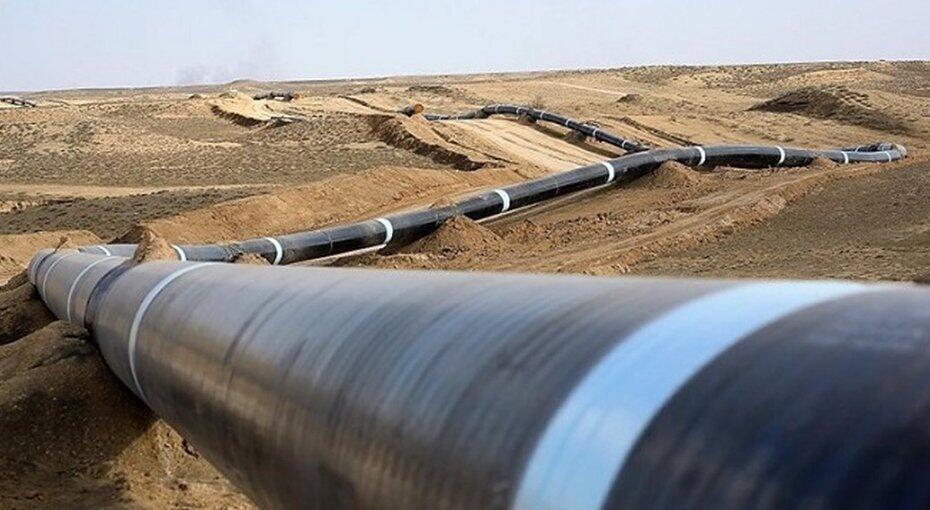
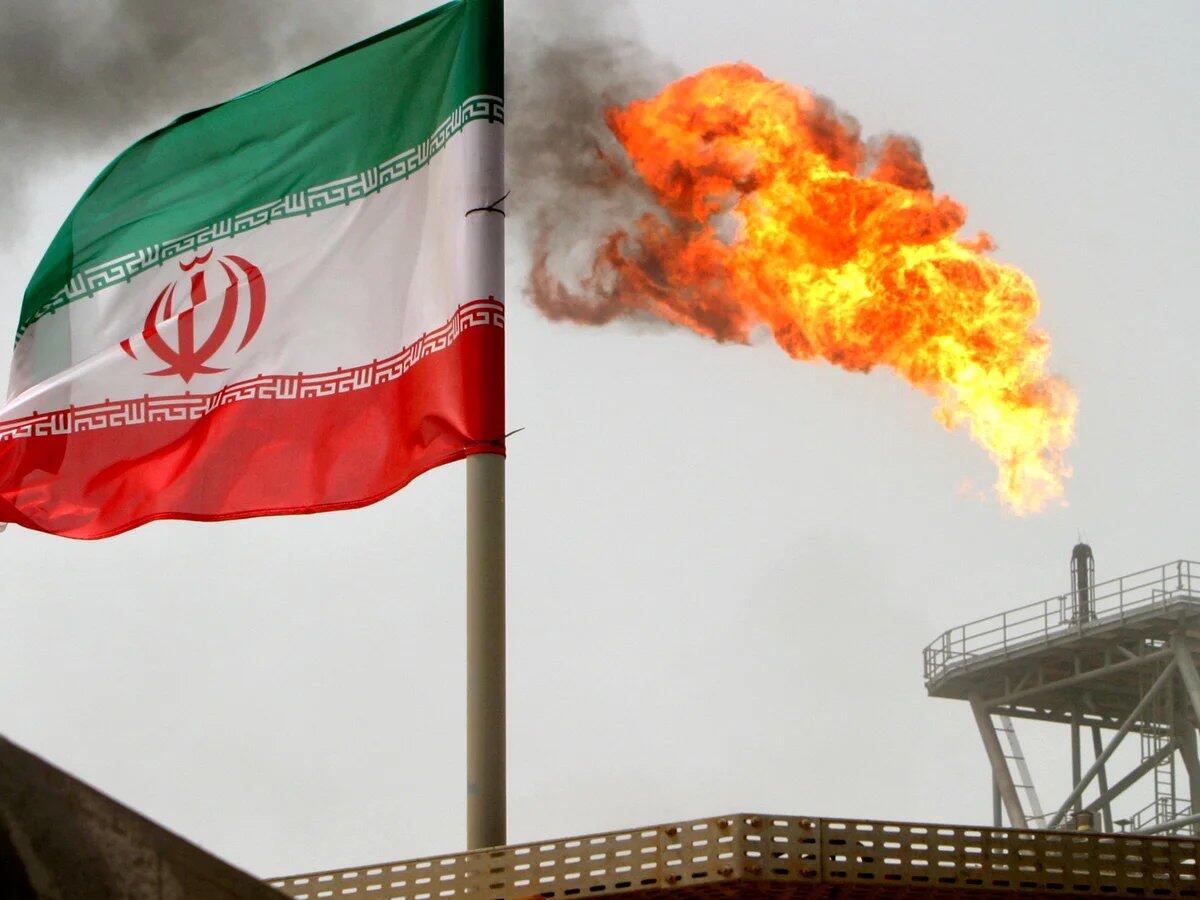
For decades, one of Israel’s greatest state secrets quietly crossed the desert: a pipeline built in partnership with… Iran. That’s right. The country that now vows to “wipe Israel off the map” was, for years, its main oil supplier.


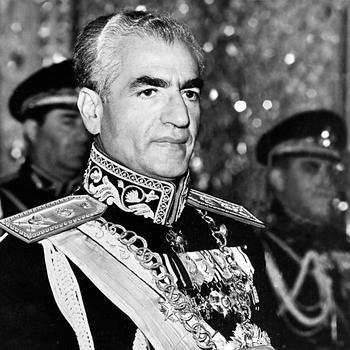
 Israel faced a critical strategic challenge: how to ensure a steady oil supply in a hostile Middle East? In the mid-1950s, Iran under Shah Mohammad Reza Pahlavi — who didn’t even officially recognize Israel — became its primary supplier, accounting for up to 90% of Israel’s oil imports.


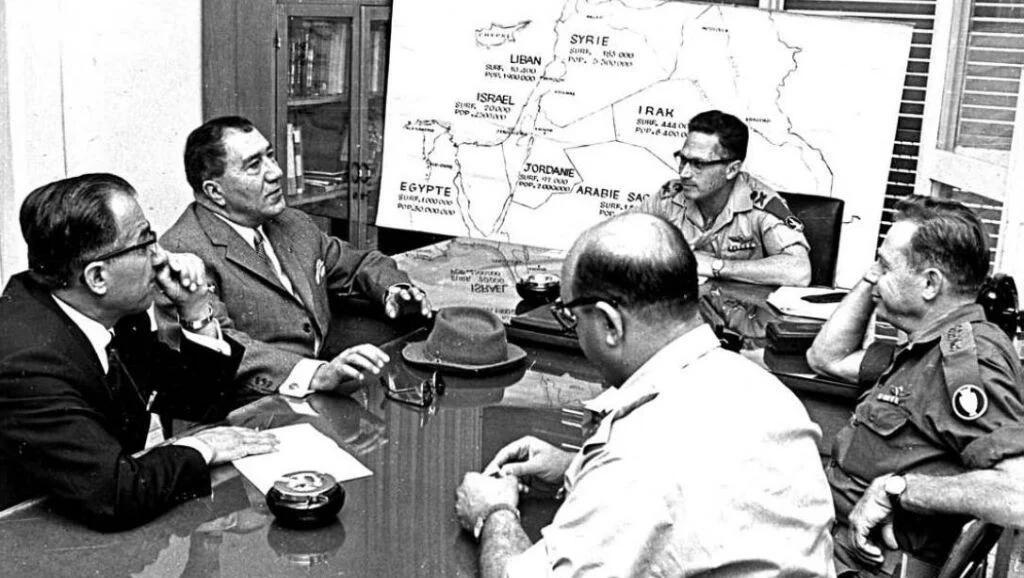
 In 1965, Israeli Foreign Minister Golda Meir made a secret visit to Iran. There, she proposed a bold plan to the Shah: build a pipeline linking the Red Sea to the Mediterranean, bypassing the Suez Canal — and secretly supplying oil to Israel.


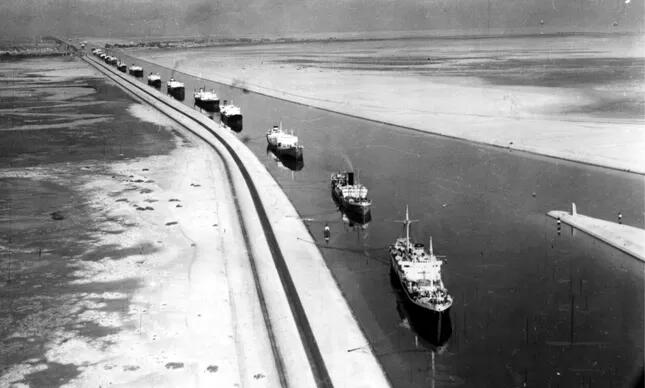
 The negotiations included representatives from Mossad and the Iranian state oil company NIOC — a testament to the initiative’s strategic importance. Two years later, everything changed: the closure of the Suez Canal.


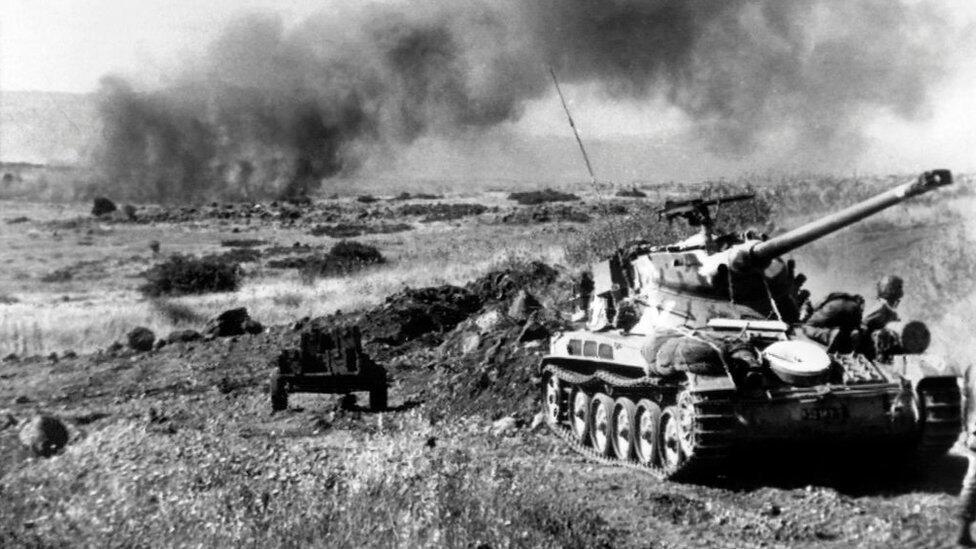
 Following the Six-Day War, Egypt shut down the canal, and 75% of Iranian oil exports were left without a route. The Shah saw the pipeline as a perfect opportunity: reduce dependence on Egypt and strengthen his leverage over Western oil companies. It was the final push needed.


 Thus was born Trans-Asiatic Oil Ltd., a 50/50 joint venture between Iran and Israel — registered in Switzerland, of course. Officially, Iran said: “We don’t sell oil to Israel.” In practice? They did — operating pipelines and even having Israeli naval escorts for Iranian tankers.


 The 254-kilometer pipeline between Eilat and Ashkelon was completed in 1969. In its first year, 10 million tons of oil passed through it. Israel kept 3 million; the rest was sold via Israel, with profits split between the secret partners. A true geopolitical masterpiece.


 While Israel secured its energy supply, the Shah’s Iran challenged Western oil giants and filled its coffers — all under the radar. It was a win-win: oil, money, and influence for both sides. Hidden from the rest of the Arab world.


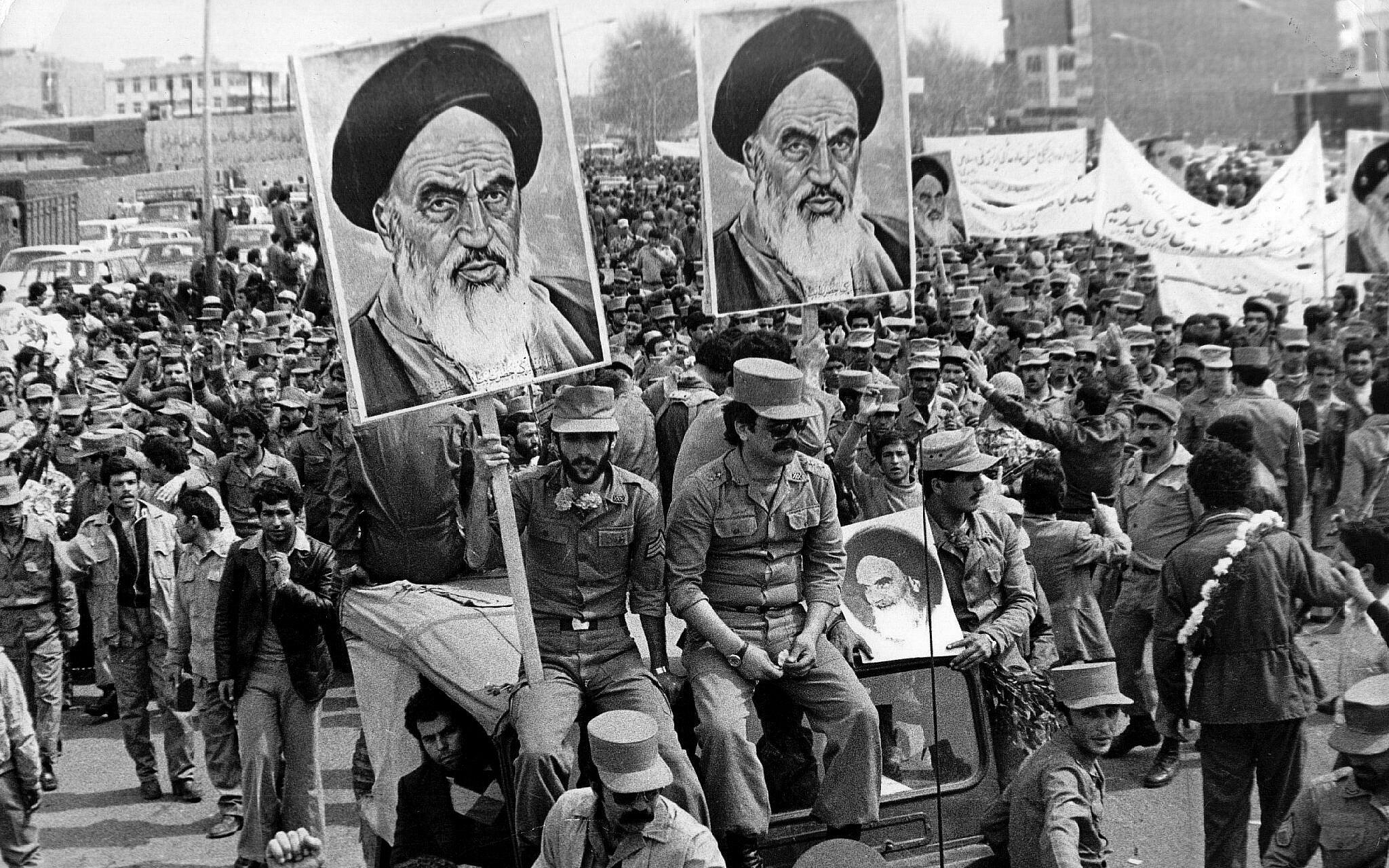
 But everything changed in 1979 with the Islamic Revolution in Iran. Israel nationalized the pipeline, ending the secret alliance. The case ended up in court — and in 2016, an international tribunal ordered Israel to pay Iran over $1 billion for breach of contract.


 Today, even mentioning such an alliance would sound like fiction. But for over a decade, Israel’s greatest enemy was… its biggest ally behind the scenes. The pipeline still exists. But the partnership is now a relic from an era when interests spoke louder than ideology.
Bitman's avatar
Bitman 8 months ago
The U.S. is evacuating embassies in the Middle East, and oil is up 5% today. For now, it’s just speculation—pointing toward a possible strike on Iran. 👀
Bitman's avatar
Bitman 8 months ago
Chinese demographics in one image. In 2000, there were 10 workers for every retiree. Today, there are only 5. The same issue will eventually be faced by aging-population countries, such as those in Europe. A decline in consumption that will be countered with monetary debasement and stimulus… image