“At the end of the day, no matter what they say, their only answer is to keep printing money.”
— @jack mallers
Choose freedom. Opt out with #Bitcoin.
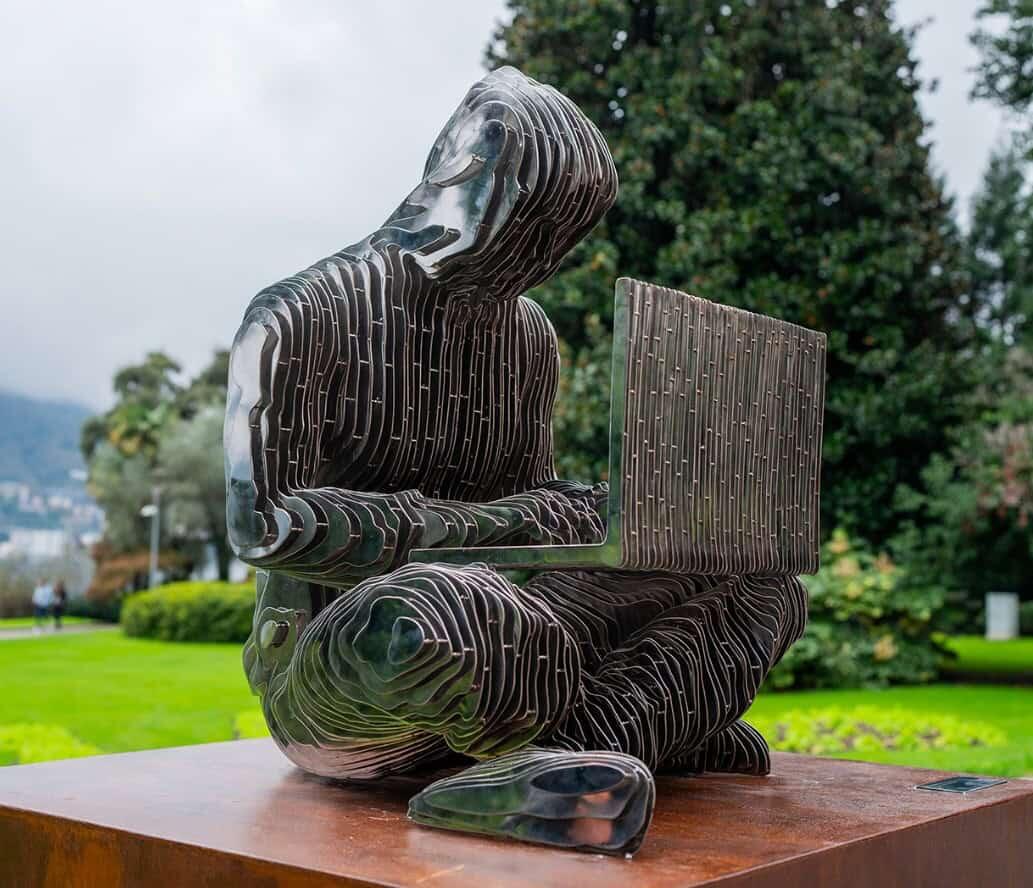 Many have watched documentaries like HBO’s Money Electric and dived into conspiracy theories, but the truth is that no one knows for sure who Satoshi Nakamoto really was.
What most people don’t realize is the level of genius required to create something like Bitcoin — not just a digital currency, but a revolution in how we understand trust, value, and freedom on the internet.
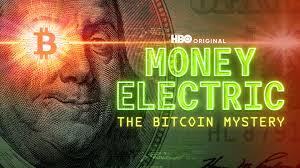
Many have watched documentaries like HBO’s Money Electric and dived into conspiracy theories, but the truth is that no one knows for sure who Satoshi Nakamoto really was.
What most people don’t realize is the level of genius required to create something like Bitcoin — not just a digital currency, but a revolution in how we understand trust, value, and freedom on the internet.
 Satoshi didn’t just write code; he solved problems that had gone unanswered for decades — like double-spending, digital asset forgery, and how to build a monetary system without intermediaries.
It was like reinventing gold — this time, for the digital age.
Satoshi didn’t just write code; he solved problems that had gone unanswered for decades — like double-spending, digital asset forgery, and how to build a monetary system without intermediaries.
It was like reinventing gold — this time, for the digital age.
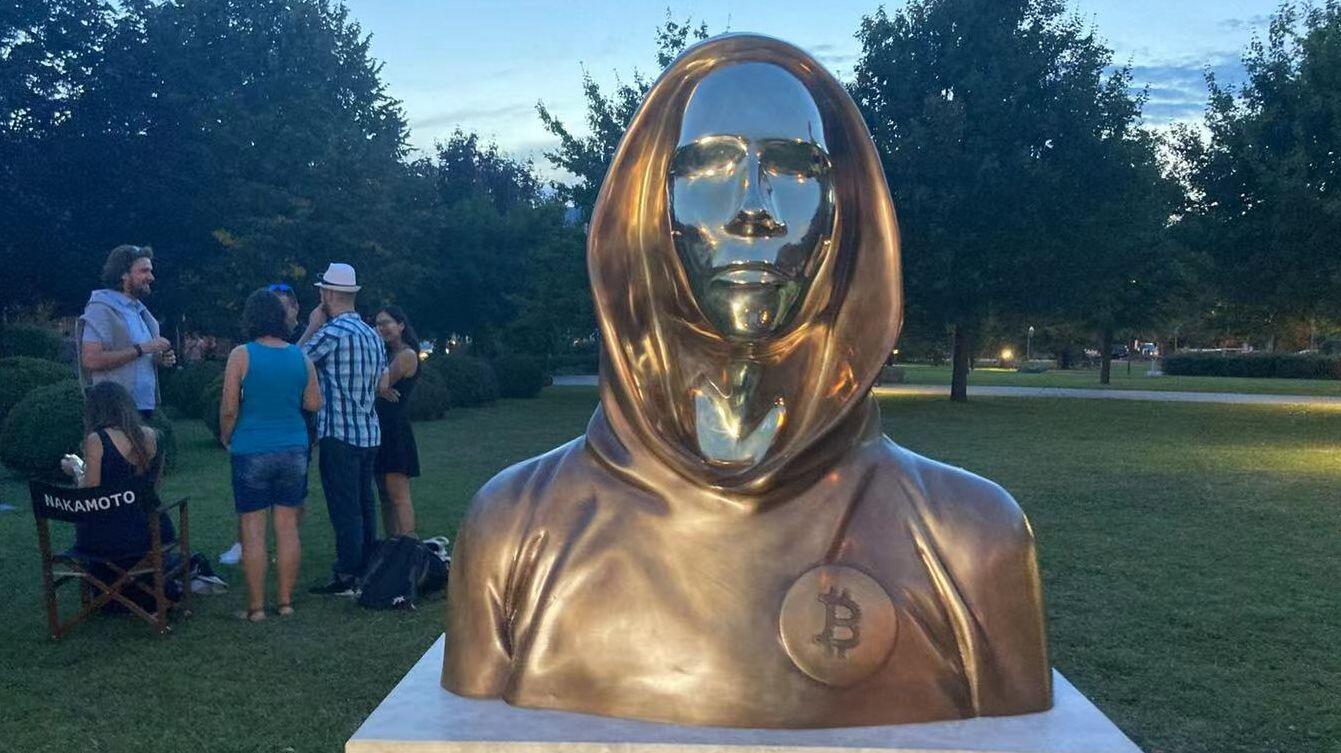 Satoshi came up with a solution that combined cryptography, economics, game theory, and a near-mythical level of engineering.
This isn’t something you build with an MBA or a master’s degree. It’s the work of a genius — the kind who builds the Matrix in a basement. And the most enigmatic part? After creating this revolutionary system, he disappeared. No interviews, no fame.
Just silence.
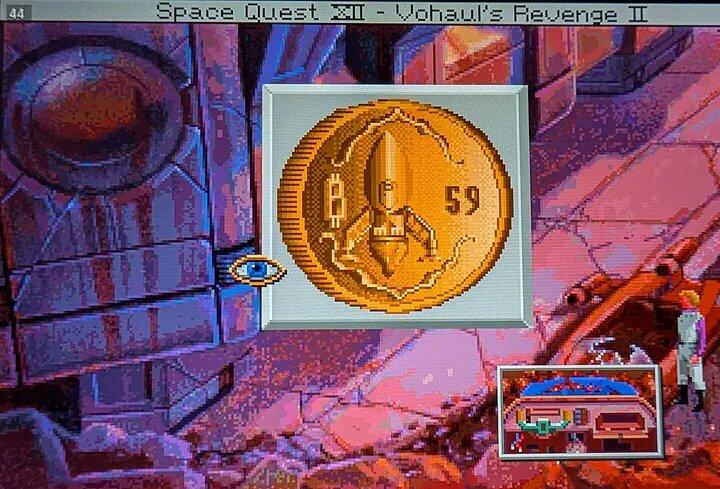
Recently, a user discovered what appears to be the #Bitcoin symbol in a 1991 video game called Space Quest.
The name of the currency in the game? Buckazoids.
A galactic currency — volatile, futuristic, and with a logo that looks eerily familiar.
Satoshi came up with a solution that combined cryptography, economics, game theory, and a near-mythical level of engineering.
This isn’t something you build with an MBA or a master’s degree. It’s the work of a genius — the kind who builds the Matrix in a basement. And the most enigmatic part? After creating this revolutionary system, he disappeared. No interviews, no fame.
Just silence.
Recently, a user discovered what appears to be the #Bitcoin symbol in a 1991 video game called Space Quest.
The name of the currency in the game? Buckazoids.
A galactic currency — volatile, futuristic, and with a logo that looks eerily familiar.
 After this discovery, rumors started circulating that Hal Finney — the first person to ever receive bitcoin from Satoshi — may have worked at Sierra Games, the company behind the game.
But then things got even stranger.
After this discovery, rumors started circulating that Hal Finney — the first person to ever receive bitcoin from Satoshi — may have worked at Sierra Games, the company behind the game.
But then things got even stranger.
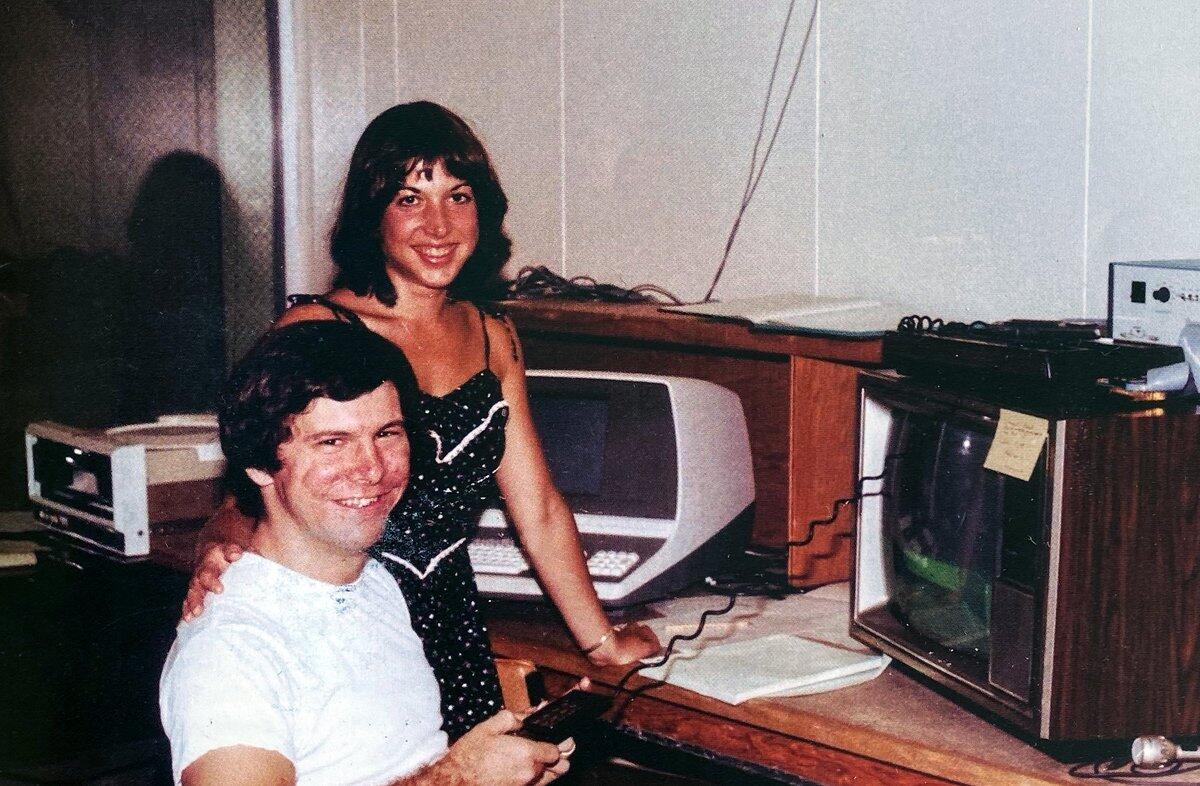 Sierra Online, besides Space Quest, was responsible for bringing a game called Silpheed to the U.S., originally released in 1986.
One of the developers listed on that project? A man named Satoshi Uesaka. His name appears right next to the Sierra logo.
Coincidence — or a clue hidden in plain sight?
Sierra Online, besides Space Quest, was responsible for bringing a game called Silpheed to the U.S., originally released in 1986.
One of the developers listed on that project? A man named Satoshi Uesaka. His name appears right next to the Sierra logo.
Coincidence — or a clue hidden in plain sight?
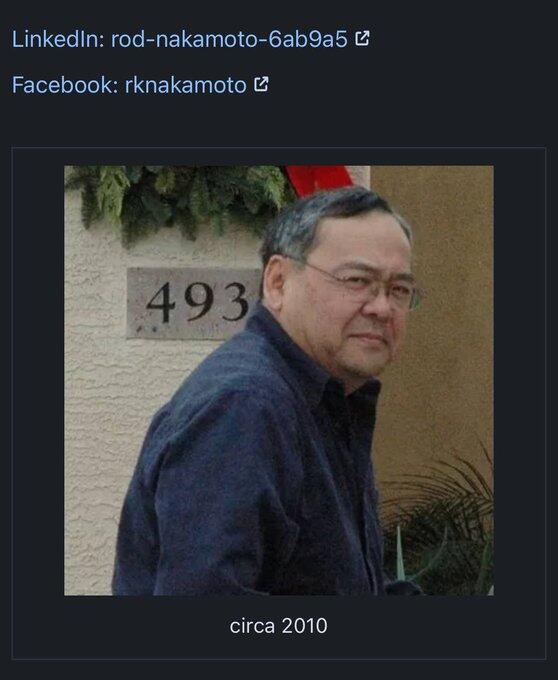
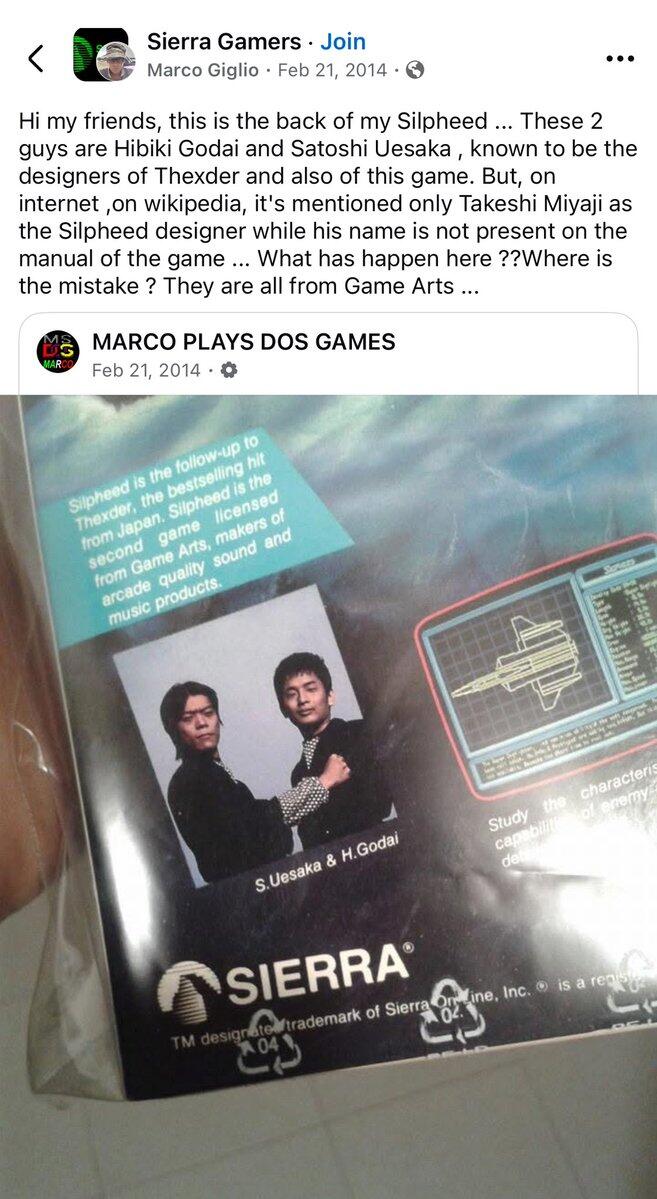 And there's more: at the same time, Rod Nakamoto was working on Atari games and also collaborated on Sierra projects.
That last name, of course, didn’t go unnoticed by the crypto community. To top it off, Hal Finney himself had connections to game development in the 1980s.
And there's more: at the same time, Rod Nakamoto was working on Atari games and also collaborated on Sierra projects.
That last name, of course, didn’t go unnoticed by the crypto community. To top it off, Hal Finney himself had connections to game development in the 1980s.
 So we have: a Satoshi involved with Sierra, a Nakamoto in the gaming industry, and Hal Finney at the center of it all — all working in creative, technical environments that may have been interconnected.
This new theory has it all — mystery, pixelated graphics, science fiction, and the possible origin of Bitcoin hidden in plain sight for over three decades.
It might just be another crazy theory… but it’s yet another piece in this puzzle of brilliance, anonymity, and a radical new way of thinking about money.
While the world tries to uncover who Satoshi was, one thing is certain: the revolution he started is within everyone’s reach.
So we have: a Satoshi involved with Sierra, a Nakamoto in the gaming industry, and Hal Finney at the center of it all — all working in creative, technical environments that may have been interconnected.
This new theory has it all — mystery, pixelated graphics, science fiction, and the possible origin of Bitcoin hidden in plain sight for over three decades.
It might just be another crazy theory… but it’s yet another piece in this puzzle of brilliance, anonymity, and a radical new way of thinking about money.
While the world tries to uncover who Satoshi was, one thing is certain: the revolution he started is within everyone’s reach.